THE ADVENTURE COLLECTIVE® · Independent discovery and booking for outdoor travel

Walk through the living history of Kathmandu from the bustling lanes of Asan Bazaar to the terraces of Swayambhunath with a knowledgeable local guide. This 3–4 hour cultural walk combines market life, royal squares, and the unique Kumari tradition.
Walk through the living history of Kathmandu from the bustling lanes of Asan Bazaar to the terraces of Swayambhunath with a knowledgeable local guide. This 3–4 hour cultural walk combines market life, royal squares, and the unique Kumari tradition.
You step off the crowded street into the narrow lanes of Asan Bazaar, spices and incense pressing close as rickshaws thread past. The guide points out carved windows and the small shrine to Annapurna Ajima; steam from a street stall rises like a signal that this neighborhood still folds daily life around ritual.
Verified experiences and guided adventures in the surrounding area.
Operated by Nepal Alibaba Treks & Tours Pvt. Ltd · Kathmandu, Bagmati Province
You step off the crowded street into the narrow lanes of Asan Bazaar, spices and incense pressing close as rickshaws thread past. The guide points out carved windows and the small shrine to Annapurna Ajima; steam from a street stall rises like a signal that this neighborhood still folds daily life around ritual.
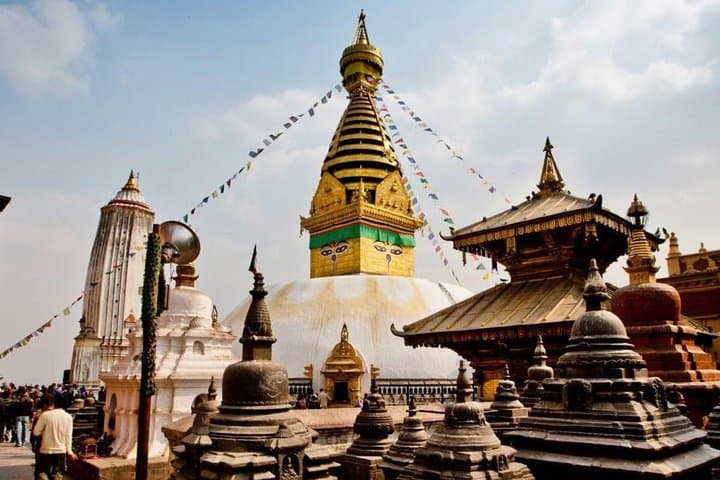
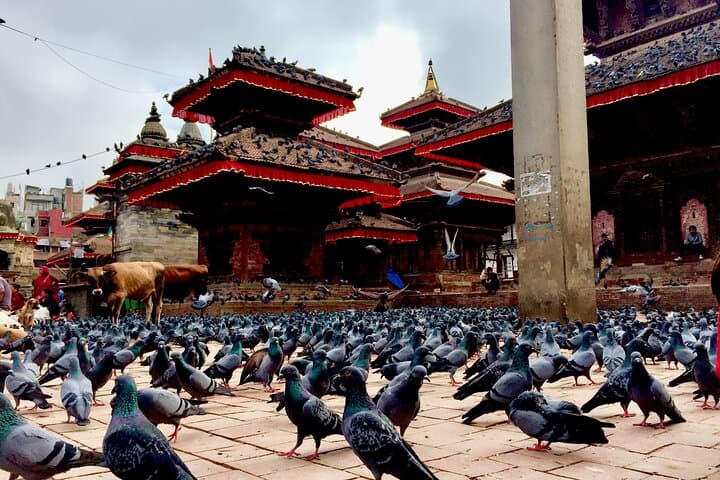
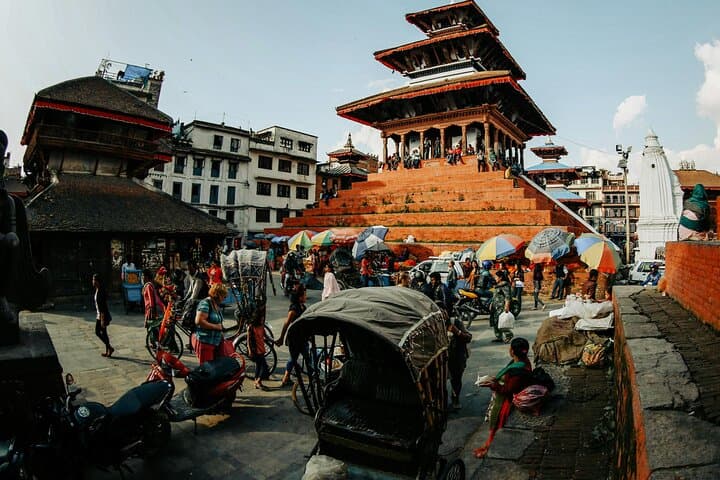
Kathmandu’s core is layered—Newar artisans built the red-brick palaces of Hanuman Dhoka, Malla kings shaped the courtyards of Durbar Square, and Swayambhunath’s white dome has watched the valley erupt and settle for centuries. Geologically the valley sits in a bowl of alluvial plains ringed by ridges; you’ll feel the city’s elevation (about 1,400 m) as thin air and cooler breezes on the stupa hill, where rhesus macaques patrol the terraces and the painted eyes of Buddha survey the city.
Culturally the tour centers on Newar traditions and living rituals: intricate woodwork, neighborhood gods, and the Kumari—the living goddess—whose selection and role are unique to Kathmandu. Expect hands-on local insights: how markets supply festivals, why certain shrines are placemarked for grain offerings, and when to step quietly in courtyards.
Practical guidance: wear sturdy walking shoes for uneven brick and stone, bring cash for small purchases, and follow your guide’s direction at religious sites—photography rules and modest dress often apply. A reusable water bottle and sun protection make a three-to-four-hour walking loop comfortable. Move with curiosity and respect: the city rewards attention with small discoveries at every turn.
easy.
3–4 hours.
Suitable for most fitness levels; involves 2–3 miles of walking with some stair climbs.
The Kumari appears at specific times and may be unavailable for private viewing; guides typically arrange the best opportunity and explain viewing rules.
This tour lists admissions as not included; bring cash for any site entry fees, though many courtyards are free to enter.
Yes—this is an easy-paced walking tour, but expect stairs at Swayambhunath and crowded lanes that may be challenging for strollers.
Guides will brief you on temple etiquette and sensitive photography—always ask before photographing inside courtyards or of ritual participants.
Kathmandu Durbar Square and Swayambhunath are UNESCO-recognized sites reflecting centuries of Newar craftsmanship, Malla-period palaces, and Buddhist practice.
Visitors are encouraged to avoid single-use plastics, use local guides and small businesses, and follow site rules to minimize wear on fragile historic structures.
Nepal Alibaba Treks & Tours Pvt. Ltd operates guided outdoor trips and adventures with an emphasis on safety, stewardship, and memorable experiences.
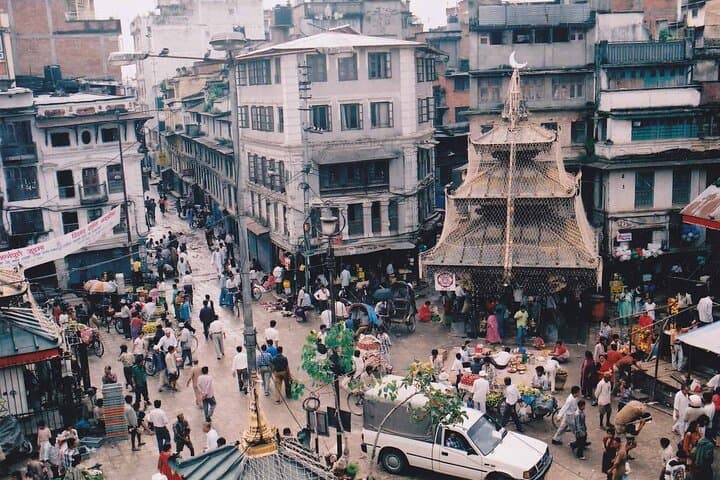
You step off the crowded street into the narrow lanes of Asan Bazaar, spices and incense pressing close as rickshaws thread past. The guide points out carved windows and the small shrine to Annapurna Ajima; steam from a street stall rises like a signal that this neighborhood still folds daily life around ritual.
You step off the crowded street into the narrow lanes of Asan Bazaar, spices and incense pressing close as rickshaws thread past. The guide points out carved windows and the small shrine to Annapurna Ajima; steam from a street stall rises like a signal that this neighborhood still folds daily life around ritual.
Kathmandu’s core is layered—Newar artisans built the red-brick palaces of Hanuman Dhoka, Malla kings shaped the courtyards of Durbar Square, and Swayambhunath’s white dome has watched the valley erupt and settle for centuries. Geologically the valley sits in a bowl of alluvial plains ringed by ridges; you’ll feel the city’s elevation (about 1,400 m) as thin air and cooler breezes on the stupa hill, where rhesus macaques patrol the terraces and the painted eyes of Buddha survey the city.
Culturally the tour centers on Newar traditions and living rituals: intricate woodwork, neighborhood gods, and the Kumari—the living goddess—whose selection and role are unique to Kathmandu. Expect hands-on local insights: how markets supply festivals, why certain shrines are placemarked for grain offerings, and when to step quietly in courtyards.
Practical guidance: wear sturdy walking shoes for uneven brick and stone, bring cash for small purchases, and follow your guide’s direction at religious sites—photography rules and modest dress often apply. A reusable water bottle and sun protection make a three-to-four-hour walking loop comfortable. Move with curiosity and respect: the city rewards attention with small discoveries at every turn.