THE ADVENTURE COLLECTIVE® · Independent discovery and booking for outdoor travel

An after-dark stroll through Indrachowk and Kathmandu Durbar Square, sampling hole-in-the-wall Nepali and Indian snacks favored by locals. This two-hour guided walk covers 1–2 km of alleyways, temple courtyards and busy market counters—perfect for curious eaters.
An after-dark stroll through Indrachowk and Kathmandu Durbar Square, sampling hole-in-the-wall Nepali and Indian snacks favored by locals. This two-hour guided walk covers 1–2 km of alleyways, temple courtyards and busy market counters—perfect for curious eaters.
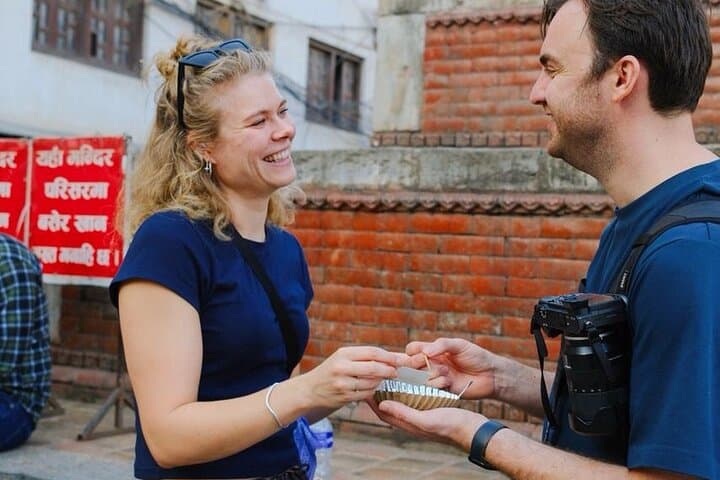
The walk begins where the city tightens into alleys: Indrachowk’s low brick buildings, hand-painted signs and the smell of frying oil that dares you forward.
Verified experiences and guided adventures in the surrounding area.
Operated by Kathmandu Food Tours · Kathmandu, Bagmati Province
The walk begins where the city tightens into alleys: Indrachowk’s low brick buildings, hand-painted signs and the smell of frying oil that dares you forward.
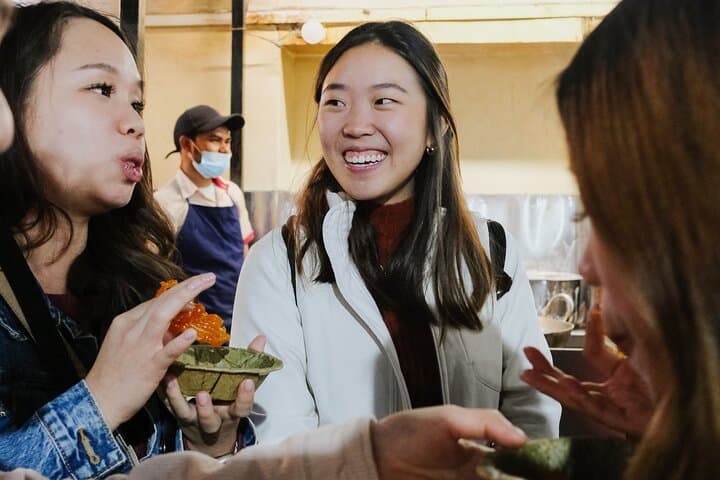
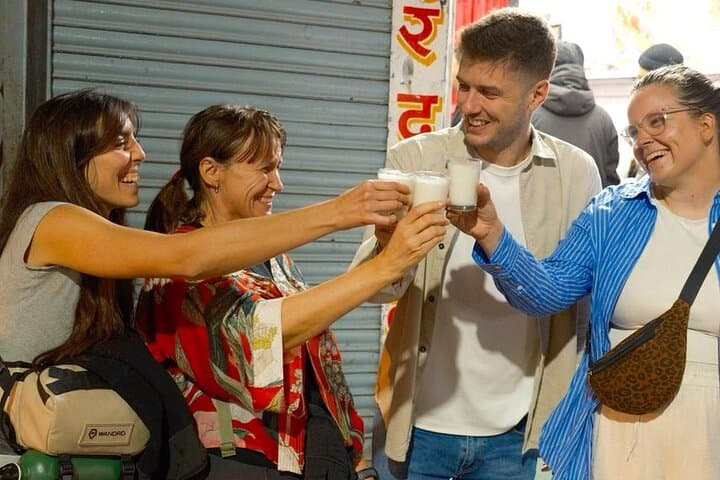
Over two hours the group threads narrow lanes toward Kathmandu Durbar Square, stopping at vendors whose counters are as modest as their recipes are bold. Guides—local food enthusiasts—point out favorite orders: steaming momos folded with care, crisp samosas, tangy chats and sweet sel roti passed down in Newar households. The route is short, roughly 1–2 km on mostly flat but uneven pavement, with a few temple steps and crowded courtyards where you may eat standing.
Kathmandu sits in a high valley at about 1,400 m; its dense urban fabric grew around trade routes and Hindu-Buddhist palaces. Expect to see carved woodwork and small shrines that mark the area’s Newar cultural history while learning how Indian-style snacks became daily staples.
Practical guidance: travel light, carry small-denomination cash, and bring a reusable water bottle—vendors rarely accept cards. Food safety is straightforward in busy stalls: pick busy counters, avoid ice in drinks, and tell your guide any dietary restrictions in advance. Tours run in the cooler evening hours to avoid midday heat and to catch the city’s active street-food rhythm.
This is a sensory urban adventure: tactile, loud, and unmistakably local. Come curious, pace yourself through multiple small plates, and leave with a clearer sense of Kathmandu’s everyday palate.
easy.
2 hours.
Suitable for most fitness levels; requires standing and short walks over uneven pavement.
Meeting is typically at Indrachowk market; the tour is an evening walk lasting about two hours—confirm exact time and meeting location with your booking voucher.
Yes—guides are local and can suggest vegetarian options; notify the operator when booking so stops can be adjusted.
Snacks are included as part of the experience; expect multiple small tastings (roughly 6–8 items shared across stops) to sample regional flavors.
The tour is family-friendly, but infants must sit on laps and crowded spots may be challenging for very young children.
Kathmandu Durbar Square and surrounding markets grew around royal palaces and Newar merchant quarters; the area reflects centuries of urban trade and blended Hindu-Buddhist culture.
Street-food culture produces waste in busy areas—bring a reusable bottle, avoid disposable cutlery when possible, and support vendors who minimize packaging.
Kathmandu Food Tours operates guided outdoor trips and adventures with an emphasis on safety, stewardship, and memorable experiences.

The walk begins where the city tightens into alleys: Indrachowk’s low brick buildings, hand-painted signs and the smell of frying oil that dares you forward.
The walk begins where the city tightens into alleys: Indrachowk’s low brick buildings, hand-painted signs and the smell of frying oil that dares you forward.
Over two hours the group threads narrow lanes toward Kathmandu Durbar Square, stopping at vendors whose counters are as modest as their recipes are bold. Guides—local food enthusiasts—point out favorite orders: steaming momos folded with care, crisp samosas, tangy chats and sweet sel roti passed down in Newar households. The route is short, roughly 1–2 km on mostly flat but uneven pavement, with a few temple steps and crowded courtyards where you may eat standing.
Kathmandu sits in a high valley at about 1,400 m; its dense urban fabric grew around trade routes and Hindu-Buddhist palaces. Expect to see carved woodwork and small shrines that mark the area’s Newar cultural history while learning how Indian-style snacks became daily staples.
Practical guidance: travel light, carry small-denomination cash, and bring a reusable water bottle—vendors rarely accept cards. Food safety is straightforward in busy stalls: pick busy counters, avoid ice in drinks, and tell your guide any dietary restrictions in advance. Tours run in the cooler evening hours to avoid midday heat and to catch the city’s active street-food rhythm.
This is a sensory urban adventure: tactile, loud, and unmistakably local. Come curious, pace yourself through multiple small plates, and leave with a clearer sense of Kathmandu’s everyday palate.