THE ADVENTURE COLLECTIVE® · Independent discovery and booking for outdoor travel

A focused half-day private circuit through Kathmandu Valley’s defining spiritual sites—Boudhanath, Pashupatinath, Patan Durbar Square and Swayambhunath—combining close cultural encounters with practical touring advice.
A focused half-day private circuit through Kathmandu Valley’s defining spiritual sites—Boudhanath, Pashupatinath, Patan Durbar Square and Swayambhunath—combining close cultural encounters with practical touring advice.
You emerge from the bustle of Kathmandu’s narrow streets into a courtyard punctuated by prayer flags and the slow turning of prayer wheels—Boudhanath’s great white dome sits like a patient eye watching the city. The air carries incense and the rattle of monk’s beads; vendors call softly from doorways; traffic hums a block away, reminding you this is a living, working valley as much as a museum.
Verified experiences and guided adventures in the surrounding area.
Operated by himalayan sanctuary adventure private limited · Kathmandu, Bagmati Province
You emerge from the bustle of Kathmandu’s narrow streets into a courtyard punctuated by prayer flags and the slow turning of prayer wheels—Boudhanath’s great white dome sits like a patient eye watching the city. The air carries incense and the rattle of monk’s beads; vendors call softly from doorways; traffic hums a block away, reminding you this is a living, working valley as much as a museum.
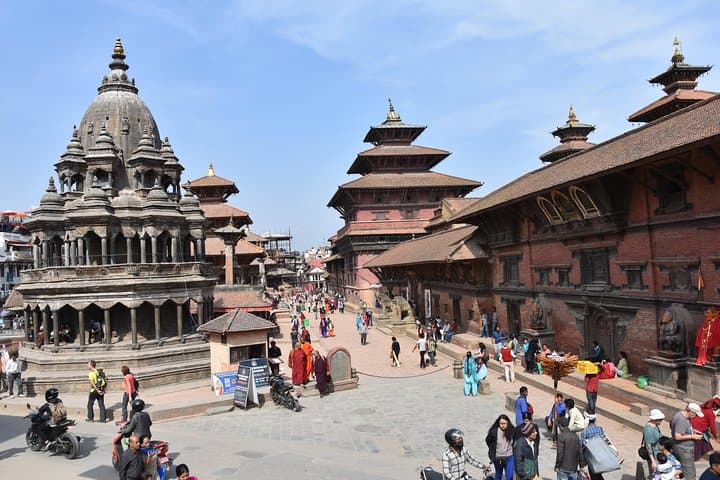
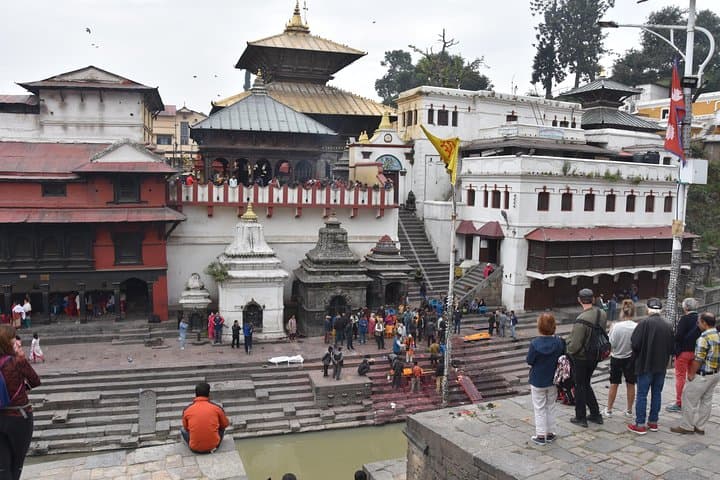
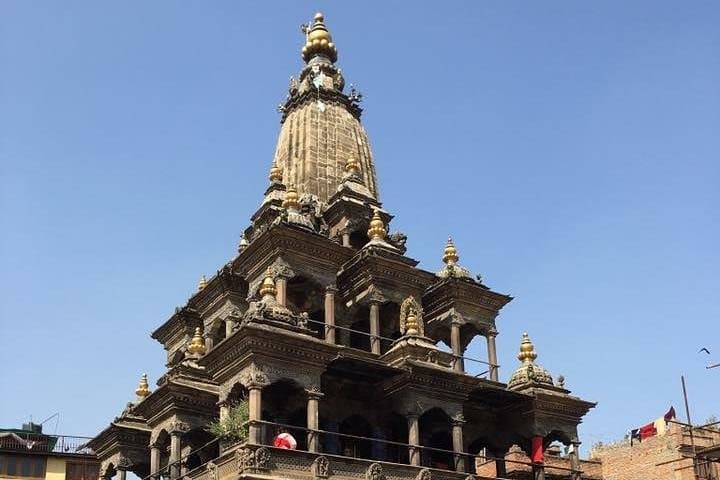
This half-day private tour threads together sites that map the valley’s layered history. Boudhanath’s stupa reflects Tibetan Buddhist practice; Pashupatinath is among the most sacred Shiva temples outside India and shows Hindu ritual up close; Patan Durbar Square preserves Newar palace architecture and centuries of artisan craft; Swayambhunath perches above the western rim, its monkeys and eyes watching over the urban plain. Geologically the valley is a bowl of Kathmandu Basin—sedimentary plains ringed by low hills—shaping settlement patterns and views.
Expect close encounters with living culture: devotees offering butter lamps, artisans repairing bronze palanquins, rooftop tea served with temple vistas. Practicalities matter: the tour runs 4–6 hours by private car with hotel pickup; entrance fees and food are typically extra. Dress respectfully—shoulders and knees covered at temples—and carry small change for shoe storage, donations, and chai. Hydrate between stops and leave space in your day for traffic; early morning or late afternoon visits reduce crowds and heat. For first-time visitors this is an accessible, sensory-rich introduction to Kathmandu’s spiritual heart—intense, walkable, and deeply human.
easy.
4–6 hours.
Suitable for travelers of average fitness; involves short walks, some stairs, and moderate standing periods
The private tour runs about 4–6 hours depending on traffic and how long you spend at each site.
Most operators do not include entrance fees or donations; confirm with your provider before booking.
Yes—infant seats are often available and the pace is gentle, but prepare for stairs and crowded areas at some temples.
Many temples require shoes removed for entry; bring small change for shoe storage where provided and wear easy-to-remove footwear.
Kathmandu Valley has been a political and cultural crossroads for centuries—home to the Newar civilization and a concentration of medieval palaces, temples and Buddhist stupas now recognized as UNESCO heritage.
Post-2015 earthquake restorations and urban development pressure make heritage conservation active priorities; travelers can help by avoiding single-use plastic and supporting local guides and artisans.
himalayan sanctuary adventure private limited operates guided outdoor trips and adventures with an emphasis on safety, stewardship, and memorable experiences.
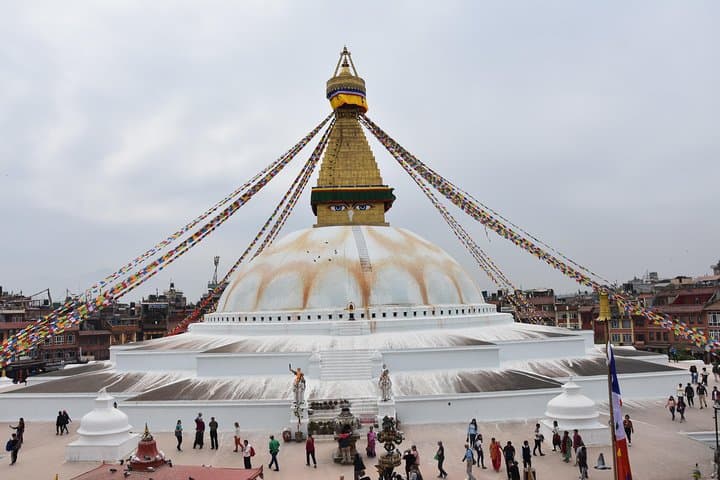
You emerge from the bustle of Kathmandu’s narrow streets into a courtyard punctuated by prayer flags and the slow turning of prayer wheels—Boudhanath’s great white dome sits like a patient eye watching the city. The air carries incense and the rattle of monk’s beads; vendors call softly from doorways; traffic hums a block away, reminding you this is a living, working valley as much as a museum.
You emerge from the bustle of Kathmandu’s narrow streets into a courtyard punctuated by prayer flags and the slow turning of prayer wheels—Boudhanath’s great white dome sits like a patient eye watching the city. The air carries incense and the rattle of monk’s beads; vendors call softly from doorways; traffic hums a block away, reminding you this is a living, working valley as much as a museum.
This half-day private tour threads together sites that map the valley’s layered history. Boudhanath’s stupa reflects Tibetan Buddhist practice; Pashupatinath is among the most sacred Shiva temples outside India and shows Hindu ritual up close; Patan Durbar Square preserves Newar palace architecture and centuries of artisan craft; Swayambhunath perches above the western rim, its monkeys and eyes watching over the urban plain. Geologically the valley is a bowl of Kathmandu Basin—sedimentary plains ringed by low hills—shaping settlement patterns and views.
Expect close encounters with living culture: devotees offering butter lamps, artisans repairing bronze palanquins, rooftop tea served with temple vistas. Practicalities matter: the tour runs 4–6 hours by private car with hotel pickup; entrance fees and food are typically extra. Dress respectfully—shoulders and knees covered at temples—and carry small change for shoe storage, donations, and chai. Hydrate between stops and leave space in your day for traffic; early morning or late afternoon visits reduce crowds and heat. For first-time visitors this is an accessible, sensory-rich introduction to Kathmandu’s spiritual heart—intense, walkable, and deeply human.