THE ADVENTURE COLLECTIVE® · Independent discovery and booking for outdoor travel

Spend a day moving through Kathmandu’s major UNESCO sites—climb to Swayambhunath, watch rituals at Pashupatinath, sip tea by Boudhanath, and explore Patan’s carved courtyards. This private full-day tour blends cultural depth with efficient logistics.
Spend a day moving through Kathmandu’s major UNESCO sites—climb to Swayambhunath, watch rituals at Pashupatinath, sip tea by Boudhanath, and explore Patan’s carved courtyards. This private full-day tour blends cultural depth with efficient logistics.
You step from the car into a sun-warmed courtyard and the city opens around you—rooftops, prayer flags snapping like small signals, and a hill crowned by a white dome where monkeys move like local commuters.
Verified experiences and guided adventures in the surrounding area.
Operated by Accessible Adventure Pvt. Ltd · Kathmandu, Bagmati Province
You step from the car into a sun-warmed courtyard and the city opens around you—rooftops, prayer flags snapping like small signals, and a hill crowned by a white dome where monkeys move like local commuters.
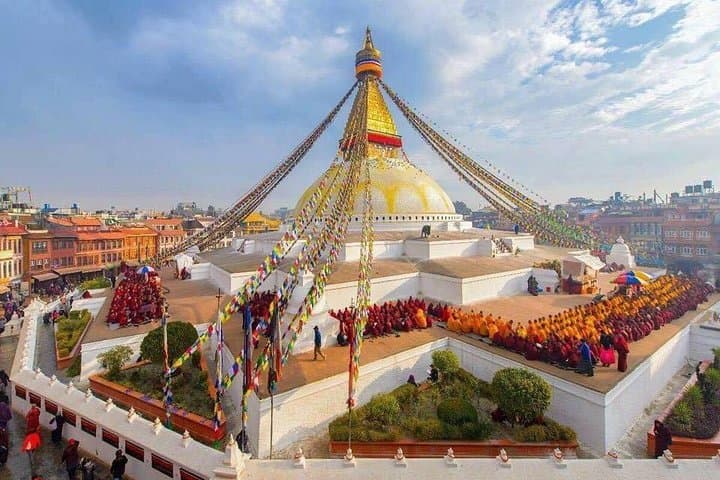
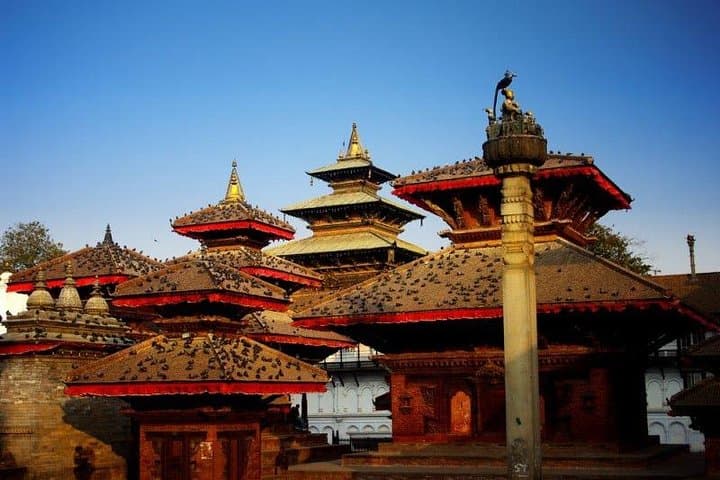
This full-day loop through the Kathmandu Valley moves from the hilltop Swayambhunath (Monkey Temple) to the riverside shrines at Pashupatinath, the vast Tibetan-influenced dome of Boudhanath, and the carved courtyards of Patan Durbar Square. The valley’s deep history is readable in brick and timber: Newar artisans carved pagodas and palaces during the Malla period, while the stupas preserve Tibetan Buddhist practice that arrived with trade routes from the north.
Geologically the valley sits in a bowl of hills—an urban plain formed by centuries of sediment and ringed by green ridgelines that can catch morning haze and clear to reveal distant Himalayan shoulders.
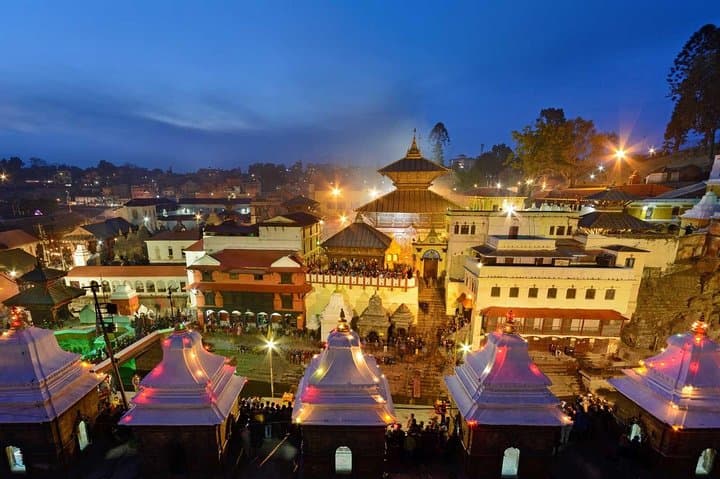
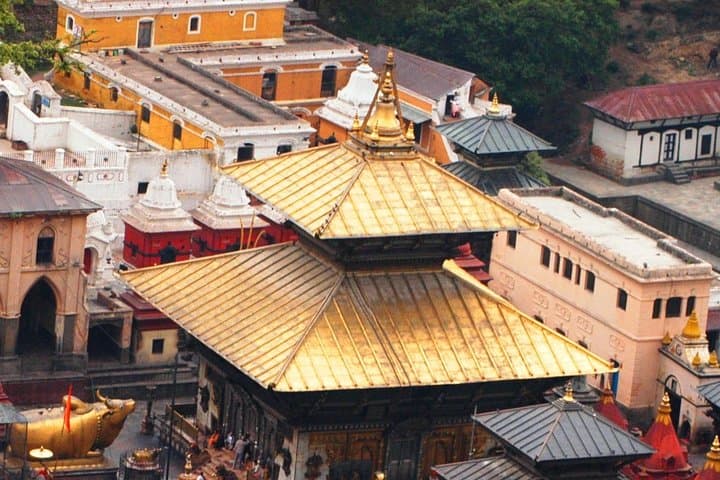
Cultural rhythms are visible at every stop: circumambulating pilgrims at Boudhanath, cremation ghats and priests at Pashupatinath, and craftsmen in Patan’s workshops. The Bagmati River threads through these sites, at once practical and sacred.
Practical guidance: wear comfortable walking shoes and prepare for stairs—Swayambhunath’s ascent is short but steep. Carry a reusable water bottle, modest clothing for temple areas (shoulders and knees covered), and small cash for rooftop tea houses and entry donations. Expect 5–7 hours on a private tour with staggered walking and driving between highlights; mornings are cooler and clearer for views, late afternoons bring softer light around Pashupatinath. With a knowledgeable guide you’ll move efficiently between UNESCO sites while absorbing both the visible craft and the quieter cultural practices that keep the valley alive.
easy.
5–7 hours.
Suitable for most fitness levels; expect short steep sections and several sets of stairs—basic mobility and stamina recommended.
Most public areas are free to view from outside, but some museums or rooftop viewpoints may charge small entry fees; check with your operator.
Non-Hindu visitors cannot enter the main temple complex but can observe rituals and architecture from designated viewing points across the Bagmati River.
Yes—it's a private tour with vehicle transfers between sites; however, expect stairs at Swayambhunath and uneven surfaces in heritage squares.
Tipping is customary in Nepal for good service; 10–15% of the tour price or a modest cash amount per person is typical.
Kathmandu Valley has been an urban center for over two millennia; Newar kingdoms shaped much of the valley’s distinctive architecture and courtly arts during the Malla era.
Tourism pressure and urban growth stress waterways like the Bagmati; choose local guides who support community conservation and avoid littering sacred sites.
Accessible Adventure Pvt. Ltd operates guided outdoor trips and adventures with an emphasis on safety, stewardship, and memorable experiences.
You step from the car into a sun-warmed courtyard and the city opens around you—rooftops, prayer flags snapping like small signals, and a hill crowned by a white dome where monkeys move like local commuters.
You step from the car into a sun-warmed courtyard and the city opens around you—rooftops, prayer flags snapping like small signals, and a hill crowned by a white dome where monkeys move like local commuters.
This full-day loop through the Kathmandu Valley moves from the hilltop Swayambhunath (Monkey Temple) to the riverside shrines at Pashupatinath, the vast Tibetan-influenced dome of Boudhanath, and the carved courtyards of Patan Durbar Square. The valley’s deep history is readable in brick and timber: Newar artisans carved pagodas and palaces during the Malla period, while the stupas preserve Tibetan Buddhist practice that arrived with trade routes from the north.
Geologically the valley sits in a bowl of hills—an urban plain formed by centuries of sediment and ringed by green ridgelines that can catch morning haze and clear to reveal distant Himalayan shoulders.
Cultural rhythms are visible at every stop: circumambulating pilgrims at Boudhanath, cremation ghats and priests at Pashupatinath, and craftsmen in Patan’s workshops. The Bagmati River threads through these sites, at once practical and sacred.
Practical guidance: wear comfortable walking shoes and prepare for stairs—Swayambhunath’s ascent is short but steep. Carry a reusable water bottle, modest clothing for temple areas (shoulders and knees covered), and small cash for rooftop tea houses and entry donations. Expect 5–7 hours on a private tour with staggered walking and driving between highlights; mornings are cooler and clearer for views, late afternoons bring softer light around Pashupatinath. With a knowledgeable guide you’ll move efficiently between UNESCO sites while absorbing both the visible craft and the quieter cultural practices that keep the valley alive.