THE ADVENTURE COLLECTIVE® · Independent discovery and booking for outdoor travel

Spend a full day tracing Kathmandu Valley’s major spiritual and architectural sites—Swayambhunath, Boudhanath, Pashupatinath, and Patan Durbar. This private tour blends accessible walking with short drives, local stories, and practical tips for respectful visits.
Spend a full day tracing Kathmandu Valley’s major spiritual and architectural sites—Swayambhunath, Boudhanath, Pashupatinath, and Patan Durbar. This private tour blends accessible walking with short drives, local stories, and practical tips for respectful visits.
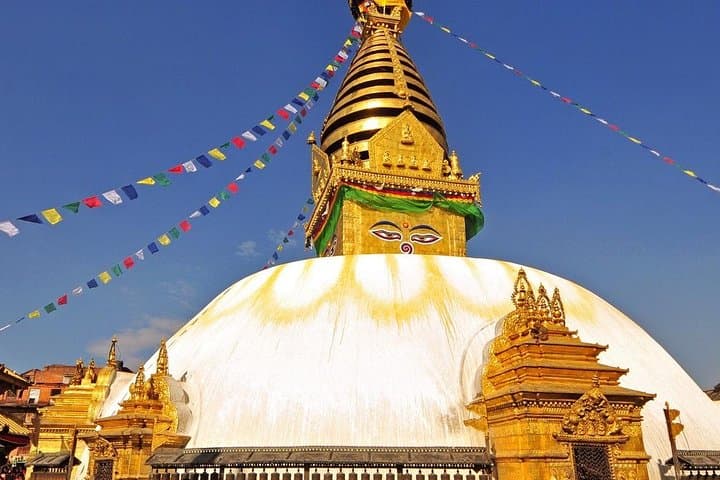
You step out of a low-slung vehicle into a city where prayer flags flap like small, persistent sails and incense smoke threads between carved wooden windows. The climb to Swayambhu’s stupa quickens your breath at roughly 1,400 m elevation, and from the hilltop the city spreads in a jumbled grid of red tile roofs, temples, and traffic that seems to thread the valley together.
Verified experiences and guided adventures in the surrounding area.
Operated by Trekking Guide Team Adventure · Kathmandu, Bagmati Province
You step out of a low-slung vehicle into a city where prayer flags flap like small, persistent sails and incense smoke threads between carved wooden windows. The climb to Swayambhu’s stupa quickens your breath at roughly 1,400 m elevation, and from the hilltop the city spreads in a jumbled grid of red tile roofs, temples, and traffic that seems to thread the valley together.
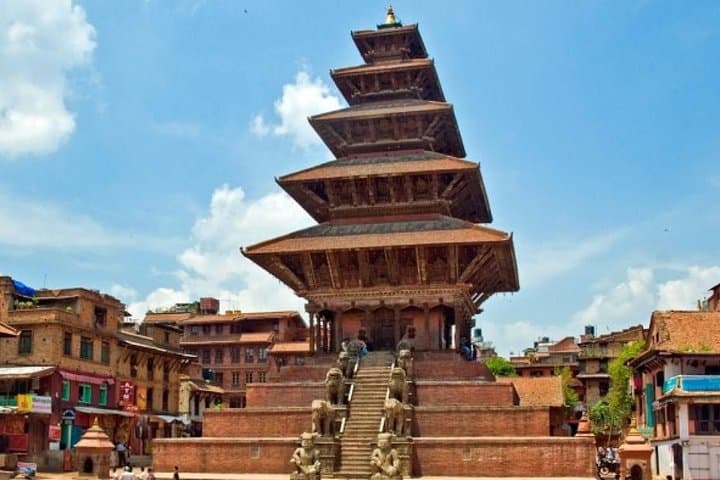
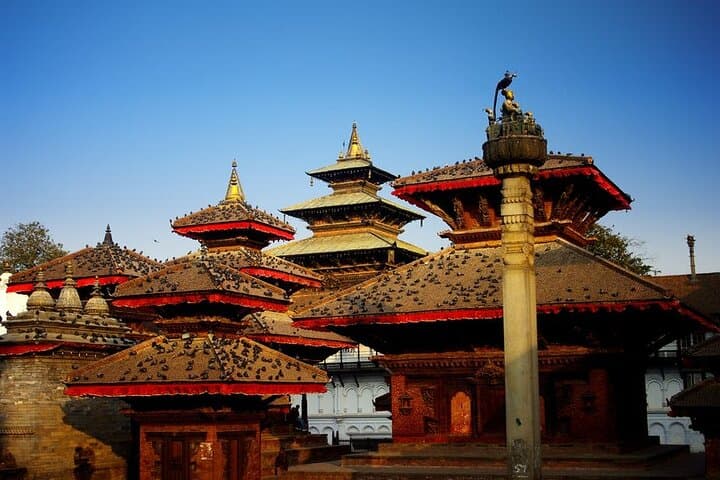
This day tour follows the spine of Kathmandu’s living history: Swayambhunath’s monkey-guarded terraces and panoramic lookouts; Boudhanath’s vast white stupa and Tibetan monasteries where chant and bell punctuate the day; the ghats and sacred cremation grounds of Pashupatinath, a focal point of Hindu ritual; and Patan Durbar Square, where Newar artisans carved palaces during the Malla era.
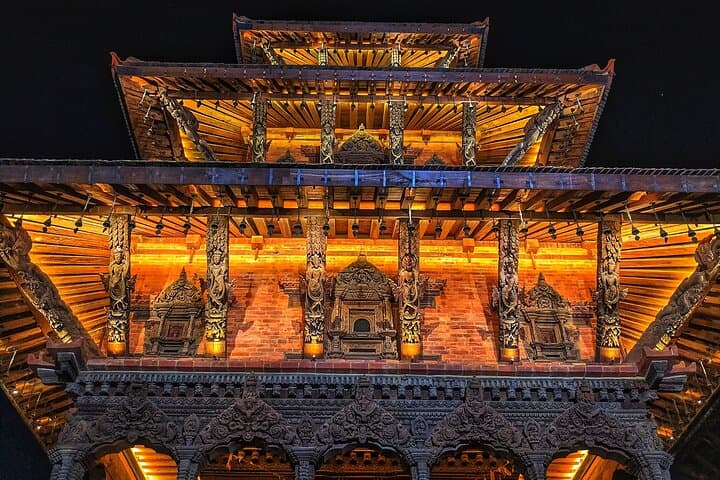
Geologically, the valley sits in a tectonic bowl ringed by ridges, which makes sunlight and air hang differently here—mornings feel crisp, afternoons can warm quickly. Culturally, expect a dense mix of Hindu and Buddhist practices, visible in daily offerings, temple bells, and the layered iconography on doors and windows.
Practical guidance: the tour runs 5–7 hours by private vehicle with walking at each stop—stairs at Swayambhu and cobbled courts in Patan. Dress modestly for temple visits (shoulders and knees covered), bring a refillable water bottle, and carry small local cash for donations or entry fees. Traffic and air quality fluctuate—plan for slow transfers and a spare mask if you’re sensitive. A local guide explains rituals, points out key carvings, and helps you move respectfully through sacred sites.
easy.
5–7 hours.
Suitable for all fitness levels; requires walking on uneven cobbles and climbing stairs at Swayambhu.
Entrance and monument fees are often not included; check the booking details and be prepared to pay modest admission charges at certain sites.
Yes—this is a low-impact city tour, but there are stairs and uneven surfaces; inform the operator of mobility needs during booking.
Yes, the itinerary typically allows time to observe daily rituals and prayers; be respectful and follow your guide’s directions about photography and proximity.
An English-speaking local guide is included as noted in the inclusions; other languages may be available on request.
Kathmandu Valley was the seat of the Newar kingdoms—Patan and Bhaktapur flourished under the Malla dynasty, producing ornate palaces and temples; the valley’s name traces back to the medieval Kasthamandap shelter.
Heritage sites face pressure from urban growth and pollution; visitors can help by sticking to paths, avoiding plastic waste, and supporting local conservation initiatives.
Trekking Guide Team Adventure operates guided outdoor trips and adventures with an emphasis on safety, stewardship, and memorable experiences.
You step out of a low-slung vehicle into a city where prayer flags flap like small, persistent sails and incense smoke threads between carved wooden windows. The climb to Swayambhu’s stupa quickens your breath at roughly 1,400 m elevation, and from the hilltop the city spreads in a jumbled grid of red tile roofs, temples, and traffic that seems to thread the valley together.
You step out of a low-slung vehicle into a city where prayer flags flap like small, persistent sails and incense smoke threads between carved wooden windows. The climb to Swayambhu’s stupa quickens your breath at roughly 1,400 m elevation, and from the hilltop the city spreads in a jumbled grid of red tile roofs, temples, and traffic that seems to thread the valley together.
This day tour follows the spine of Kathmandu’s living history: Swayambhunath’s monkey-guarded terraces and panoramic lookouts; Boudhanath’s vast white stupa and Tibetan monasteries where chant and bell punctuate the day; the ghats and sacred cremation grounds of Pashupatinath, a focal point of Hindu ritual; and Patan Durbar Square, where Newar artisans carved palaces during the Malla era.
Geologically, the valley sits in a tectonic bowl ringed by ridges, which makes sunlight and air hang differently here—mornings feel crisp, afternoons can warm quickly. Culturally, expect a dense mix of Hindu and Buddhist practices, visible in daily offerings, temple bells, and the layered iconography on doors and windows.
Practical guidance: the tour runs 5–7 hours by private vehicle with walking at each stop—stairs at Swayambhu and cobbled courts in Patan. Dress modestly for temple visits (shoulders and knees covered), bring a refillable water bottle, and carry small local cash for donations or entry fees. Traffic and air quality fluctuate—plan for slow transfers and a spare mask if you’re sensitive. A local guide explains rituals, points out key carvings, and helps you move respectfully through sacred sites.