THE ADVENTURE COLLECTIVE® · Independent discovery and booking for outdoor travel

Walk ancient Durbar Squares, ascend hilltop stupas for city panoramas, and explore Newari towns on this private 6‑day Kathmandu Valley cultural tour. Thoughtful pacing, local guides, and short rural side trips make this a practical introduction to the valley’s living history.
Walk ancient Durbar Squares, ascend hilltop stupas for city panoramas, and explore Newari towns on this private 6‑day Kathmandu Valley cultural tour. Thoughtful pacing, local guides, and short rural side trips make this a practical introduction to the valley’s living history.
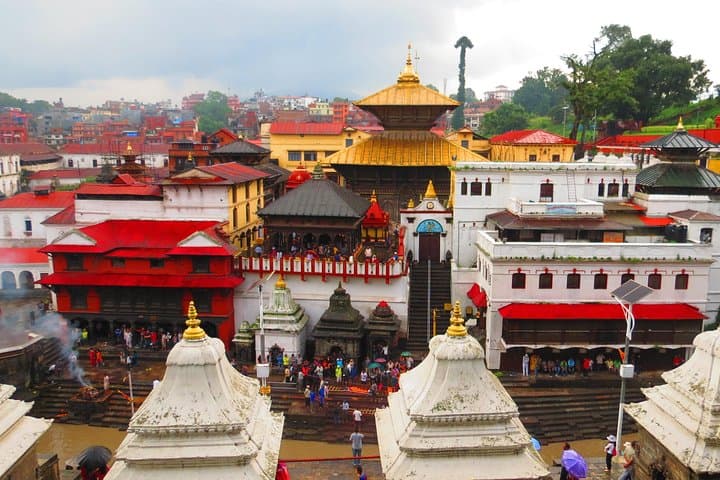
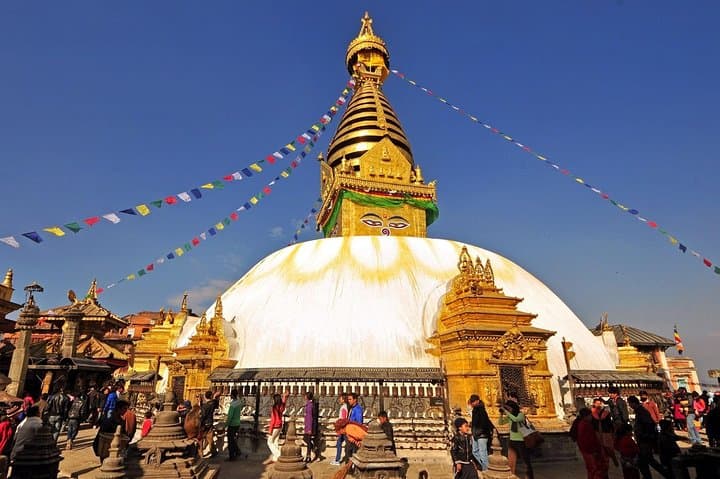
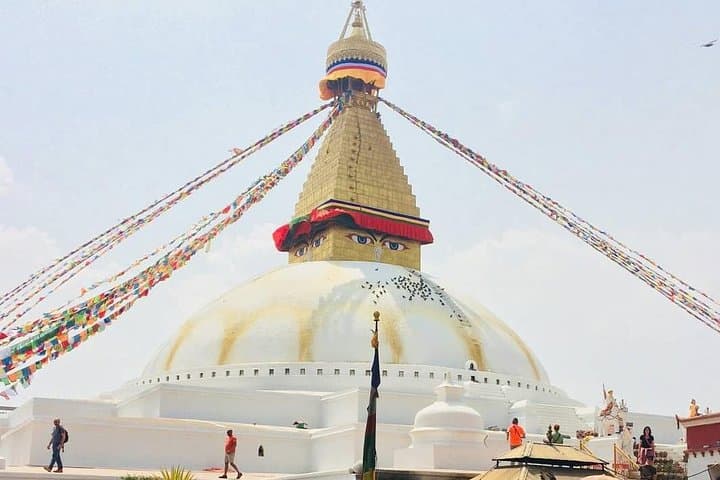
You step from the taxi into a patchwork of stone courtyards and narrow alleys; prayer flags snap like small sails above you and the Bagmati River threads the valley below, quietly carrying offerings downstream. Morning light hits the white dome of Boudhanath and later, from Swayambhunath’s hill, the city unfurls in a mix of tile roofs and temple spires with the Himalayan rim distant and watchful.
Verified experiences and guided adventures in the surrounding area.
Operated by Altitude Himalaya · Kathmandu, Bagmati Province
You step from the taxi into a patchwork of stone courtyards and narrow alleys; prayer flags snap like small sails above you and the Bagmati River threads the valley below, quietly carrying offerings downstream. Morning light hits the white dome of Boudhanath and later, from Swayambhunath’s hill, the city unfurls in a mix of tile roofs and temple spires with the Himalayan rim distant and watchful.
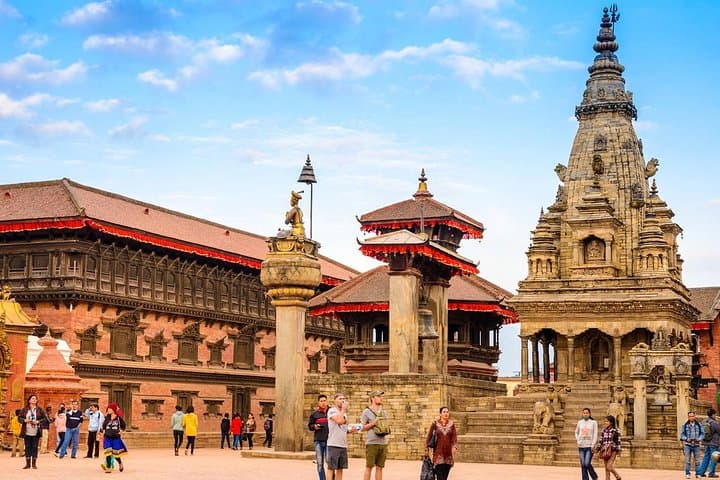
This six-day private circuit reads like a concentrated primer on Newari urban life and Kathmandu Valley history: royal palaces at Durbar Squares, centuries-old stupas, and temples where Hindu and Buddhist practice coexist. Geologically the valley is an intermontane basin carved and filled by rivers, which explains the fertile terraces and the weather that often hides distant peaks behind humid haze.
Culturally, expect intricate woodcarving, courtyard rituals, and markets where spices and metalwork trade hands as they have for generations. Outside the capital, Bhaktapur and Patan preserve Malla-era architecture; Panauti and Kirtipur offer quieter streets and honest local rhythms.
Practically: the days are low-impact but involve lots of walking on uneven cobbles and stairs—good shoes matter. Peak visibility for mountain panoramas is October–December and March–April; monsoon months bring lush green but intermittent rain. Carry small local currency for temple fees, bring sun protection for high ridgelines at Nagarkot or Dhulikhel, and allow extra time for photography and unplanned market detours. With a private guide and private transport, this itinerary is accessible, culturally rich, and paced for deep discovery rather than rush.
easy.
6 days.
Suitable for most fitness levels; requires regular walking (1–4 miles/day) on paved but uneven surfaces and short stair climbs.
Entrance fees listed in itinerary (e.g., Durbar Squares, Pashupatinath, Boudhanath) are typically not included—carry small cash for ticket purchases.
Most visitors require a Nepal entry visa available on arrival or via e-visa before travel—check current embassy guidance for requirements by nationality.
The tour notes wheelchair accessibility in parts (transport and some sites), but many heritage sites have stairs and uneven ground; contact the operator to confirm specific accessibility needs.
Nagarkot and Dhulikhel sit around 1,700–2,200 m—well below high-altitude thresholds for most people; mild breathlessness is possible but serious altitude sickness is uncommon on this itinerary.
Kathmandu Valley’s Durbar Squares and stupas reflect centuries of Newari craftsmanship and Malla-period royal centers; several sites are UNESCO World Heritage-listed.
Heritage sites are vulnerable to wear—practice low-impact visiting, avoid plastic waste, and follow local guidance at temples to support conservation efforts.
Altitude Himalaya operates guided outdoor trips and adventures with an emphasis on safety, stewardship, and memorable experiences.
You step from the taxi into a patchwork of stone courtyards and narrow alleys; prayer flags snap like small sails above you and the Bagmati River threads the valley below, quietly carrying offerings downstream. Morning light hits the white dome of Boudhanath and later, from Swayambhunath’s hill, the city unfurls in a mix of tile roofs and temple spires with the Himalayan rim distant and watchful.
You step from the taxi into a patchwork of stone courtyards and narrow alleys; prayer flags snap like small sails above you and the Bagmati River threads the valley below, quietly carrying offerings downstream. Morning light hits the white dome of Boudhanath and later, from Swayambhunath’s hill, the city unfurls in a mix of tile roofs and temple spires with the Himalayan rim distant and watchful.
This six-day private circuit reads like a concentrated primer on Newari urban life and Kathmandu Valley history: royal palaces at Durbar Squares, centuries-old stupas, and temples where Hindu and Buddhist practice coexist. Geologically the valley is an intermontane basin carved and filled by rivers, which explains the fertile terraces and the weather that often hides distant peaks behind humid haze.
Culturally, expect intricate woodcarving, courtyard rituals, and markets where spices and metalwork trade hands as they have for generations. Outside the capital, Bhaktapur and Patan preserve Malla-era architecture; Panauti and Kirtipur offer quieter streets and honest local rhythms.
Practically: the days are low-impact but involve lots of walking on uneven cobbles and stairs—good shoes matter. Peak visibility for mountain panoramas is October–December and March–April; monsoon months bring lush green but intermittent rain. Carry small local currency for temple fees, bring sun protection for high ridgelines at Nagarkot or Dhulikhel, and allow extra time for photography and unplanned market detours. With a private guide and private transport, this itinerary is accessible, culturally rich, and paced for deep discovery rather than rush.