THE ADVENTURE COLLECTIVE® · Independent discovery and booking for outdoor travel

Spend a day moving through Kathmandu’s most iconic sites — Swayambhunath, Durbar Square, a rickshaw glide through Thamel, Boudhanath with a personal Lama blessing, and Pashupatinath’s river rituals. Expect cultural depth, uneven streets, and a 6–7 hour private tour with local insight.
Spend a day moving through Kathmandu’s most iconic sites — Swayambhunath, Durbar Square, a rickshaw glide through Thamel, Boudhanath with a personal Lama blessing, and Pashupatinath’s river rituals. Expect cultural depth, uneven streets, and a 6–7 hour private tour with local insight.
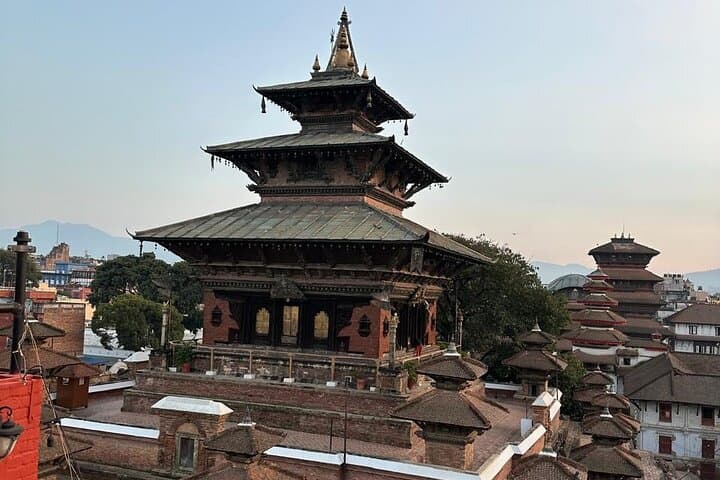
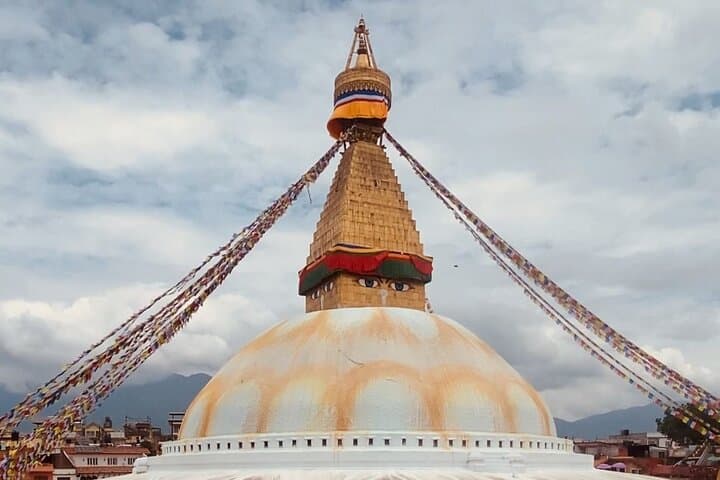
Morning light slices between brick lanes as you step into Kathmandu’s orbit — prayer flags ripple above alleys, temple bells mark the hour, and the valley spreads below like a lived map. The tour moves from Swayambhunath’s hilltop eyes over the city to the courtyards of Durbar Square, then glides by rickshaw through Thamel before the quiet sweep of Boudhanath’s white dome and the ritual edges of Pashupatinath.
Verified experiences and guided adventures in the surrounding area.
Operated by WayPoint Himalaya · Kathmandu, Bagmati Province
Morning light slices between brick lanes as you step into Kathmandu’s orbit — prayer flags ripple above alleys, temple bells mark the hour, and the valley spreads below like a lived map. The tour moves from Swayambhunath’s hilltop eyes over the city to the courtyards of Durbar Square, then glides by rickshaw through Thamel before the quiet sweep of Boudhanath’s white dome and the ritual edges of Pashupatinath.
This compact route traces Kathmandu Valley’s layered past: an alluvial basin shaped by rivers and human hands, ruled for centuries by Newar craftsmen and Malla kings whose carved woodwork still frames palace doors. Boudhanath reflects Tibetan Buddhist life; Pashupatinath holds core Shaiva rites along the Bagmati. Expect living culture — monks in saffron, priests chanting, vendors of butter lamps and malas — not museum stillness.
Practicalities matter: the full itinerary runs about 6–7 hours with private AC transfer and a short rickshaw segment; plan for several miles of walking over uneven stone and a steep stair climb to Swayambhunath’s terraces (wear grippy shoes). Bring modest clothing and a scarf for temple entry, small cash for donations and snacks, and a water bottle — the tour provides a 500ml bottle but refills may be scarce in narrow streets. Photography is welcome at most sites but follow signage and guide instructions at sacred areas; remove shoes where required. Morning or late-afternoon departures avoid heat and heavy traffic. This is a day of close cultural encounters rather than strenuous hiking: move deliberately, listen, and allow the city’s rituals to change your pace.
easy.
6–7 hours.
Suitable for people who can walk several miles at a steady pace and climb stairs; minimal aerobic strain but expect uneven surfaces.
Yes — the itinerary includes a personal Lama blessing at Boudhanath as described in the tour inclusions.
Most stops are approached with guide access; confirm any specific monument entrance fees when booking since some sites may request small donations or ticketed access.
The tour notes stroller access in parts of the route, but Swayambhunath involves steep stairs — families should be prepared to carry infants if they wish to reach the hilltop.
Shoes must be removed at many temples and monastery interiors; follow your guide and posted signs at each entrance.
Kathmandu Valley’s core sites grew under Newar artisans and Malla-era kings; the UNESCO listings protect centuries of temple architecture and living religious traditions.
The area faces air quality and waste-management pressures; visiting responsibly means minimizing plastic, using provided water refills, and following local guidance at sacred sites.
WayPoint Himalaya operates guided outdoor trips and adventures with an emphasis on safety, stewardship, and memorable experiences.
Morning light slices between brick lanes as you step into Kathmandu’s orbit — prayer flags ripple above alleys, temple bells mark the hour, and the valley spreads below like a lived map. The tour moves from Swayambhunath’s hilltop eyes over the city to the courtyards of Durbar Square, then glides by rickshaw through Thamel before the quiet sweep of Boudhanath’s white dome and the ritual edges of Pashupatinath.
Morning light slices between brick lanes as you step into Kathmandu’s orbit — prayer flags ripple above alleys, temple bells mark the hour, and the valley spreads below like a lived map. The tour moves from Swayambhunath’s hilltop eyes over the city to the courtyards of Durbar Square, then glides by rickshaw through Thamel before the quiet sweep of Boudhanath’s white dome and the ritual edges of Pashupatinath.
This compact route traces Kathmandu Valley’s layered past: an alluvial basin shaped by rivers and human hands, ruled for centuries by Newar craftsmen and Malla kings whose carved woodwork still frames palace doors. Boudhanath reflects Tibetan Buddhist life; Pashupatinath holds core Shaiva rites along the Bagmati. Expect living culture — monks in saffron, priests chanting, vendors of butter lamps and malas — not museum stillness.
Practicalities matter: the full itinerary runs about 6–7 hours with private AC transfer and a short rickshaw segment; plan for several miles of walking over uneven stone and a steep stair climb to Swayambhunath’s terraces (wear grippy shoes). Bring modest clothing and a scarf for temple entry, small cash for donations and snacks, and a water bottle — the tour provides a 500ml bottle but refills may be scarce in narrow streets. Photography is welcome at most sites but follow signage and guide instructions at sacred areas; remove shoes where required. Morning or late-afternoon departures avoid heat and heavy traffic. This is a day of close cultural encounters rather than strenuous hiking: move deliberately, listen, and allow the city’s rituals to change your pace.