THE ADVENTURE COLLECTIVE® · Independent discovery and booking for outdoor travel

Ride the Trishuli’s class III rapids on a single-day rafting trip from Kathmandu. Expect 2.5–3 hours on the river, scenic gorges and terraced valleys, plus guided safety briefings and a riverside lunch.
Ride the Trishuli’s class III rapids on a single-day rafting trip from Kathmandu. Expect 2.5–3 hours on the river, scenic gorges and terraced valleys, plus guided safety briefings and a riverside lunch.
The roar of the Trishuli meets you before you see it: cold, fast water threading through steep gorges and terraced fields as jeeps and minibuses unwind over mountain roads from Kathmandu.
Verified experiences and guided adventures in the surrounding area.
Operated by Himalayan Smile Treks and Adventure Pvt. Ltd · Charaudi, Bagmati Province
The roar of the Trishuli meets you before you see it: cold, fast water threading through steep gorges and terraced fields as jeeps and minibuses unwind over mountain roads from Kathmandu.
Begin the day with a 3–3.5 hour drive to Charaudi, where guides rig self‑bailing rafts and fit helmets and lifejackets. The river here runs class III to III+—enough to get your pulse up without technical whitewater demands—so expect a focused, physical few hours of paddling interspersed with calm stretches where the valley’s karst walls and paddy slopes open like pages of local life.
Geology shows itself in the exposed bedrock of the gorge, folded and scoured by millennia of Himalayan runoff; culturally, the Trishuli corridor has been a trade and pilgrimage route linking Kathmandu with the western valleys, and small riverside villages still maintain tea stalls and temples that mark the route.
Practically, the trip is a half‑day on the water (2.5–3 hours rafting) inside a roughly 6‑hour door‑to‑door excursion including transport and lunch. Guides handle navigation and safety—listen closely to commands, brace for waves, and keep feet tucked when eddying.
Bring footwear that won’t slip, layered quick‑dry clothing, a small dry bag for valuables, and sunscreen—the sun hits hard when the valley opens. Hydrate before boarding. The experience is accessible: no advanced river skills required, but basic swimming confidence and willingness to paddle make it more fun.
When the raft eases into quieter water and the gorge exhales, you’ll feel why Nepali rivers draw people here: the water pulls you forward, the valley watches, and the landscape rewards steady effort with clear, immediate views of the foothills.
moderate.
5–7 hours.
Suitable for people with light to moderate fitness; you should be able to sit and paddle for up to three hours and climb in/out of a raft
Expect approximately 2.5–3 hours on the Trishuli river; total trip time including transport and lunch is around 5–7 hours.
No. The trip is designed for beginners and intermediates; guides provide instruction and safety equipment, though basic swimming confidence helps.
Trishuli around Charaudi is mostly class III to III+, offering exciting rapids but not highly technical maneuvers; guides handle tricky sections.
Yes—most operators include private transport to the starting point and pickup from the finish, as well as lunch and rafting gear.
The Trishuli corridor has long served as a trade and transit route between Kathmandu and western valleys; riverside settlements retain traditional farming terraces and temples.
Avoid single‑use plastics and keep to marked access points—riverbank vegetation stabilizes the gorge and prevents erosion; follow guides’ leave‑no‑trace rules.
Himalayan Smile Treks and Adventure Pvt. Ltd operates guided outdoor trips and adventures with an emphasis on safety, stewardship, and memorable experiences.
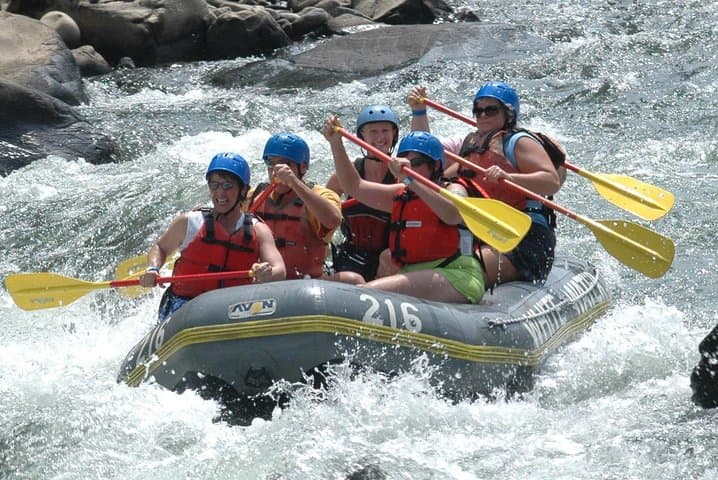
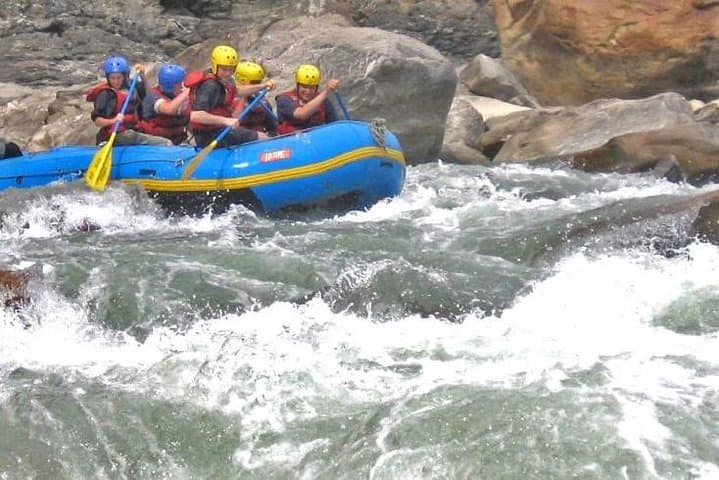
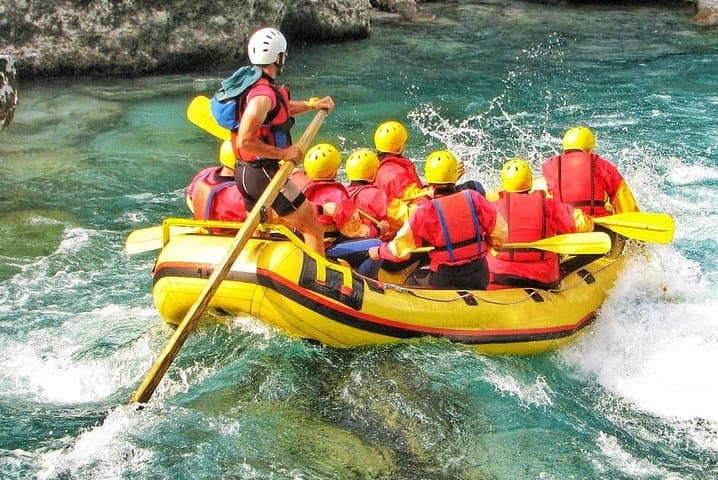
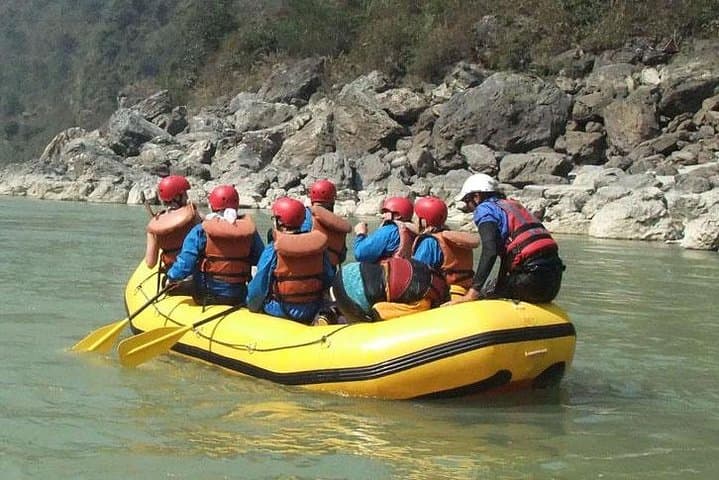
The roar of the Trishuli meets you before you see it: cold, fast water threading through steep gorges and terraced fields as jeeps and minibuses unwind over mountain roads from Kathmandu.
The roar of the Trishuli meets you before you see it: cold, fast water threading through steep gorges and terraced fields as jeeps and minibuses unwind over mountain roads from Kathmandu.
Begin the day with a 3–3.5 hour drive to Charaudi, where guides rig self‑bailing rafts and fit helmets and lifejackets. The river here runs class III to III+—enough to get your pulse up without technical whitewater demands—so expect a focused, physical few hours of paddling interspersed with calm stretches where the valley’s karst walls and paddy slopes open like pages of local life.
Geology shows itself in the exposed bedrock of the gorge, folded and scoured by millennia of Himalayan runoff; culturally, the Trishuli corridor has been a trade and pilgrimage route linking Kathmandu with the western valleys, and small riverside villages still maintain tea stalls and temples that mark the route.
Practically, the trip is a half‑day on the water (2.5–3 hours rafting) inside a roughly 6‑hour door‑to‑door excursion including transport and lunch. Guides handle navigation and safety—listen closely to commands, brace for waves, and keep feet tucked when eddying.
Bring footwear that won’t slip, layered quick‑dry clothing, a small dry bag for valuables, and sunscreen—the sun hits hard when the valley opens. Hydrate before boarding. The experience is accessible: no advanced river skills required, but basic swimming confidence and willingness to paddle make it more fun.
When the raft eases into quieter water and the gorge exhales, you’ll feel why Nepali rivers draw people here: the water pulls you forward, the valley watches, and the landscape rewards steady effort with clear, immediate views of the foothills.