THE ADVENTURE COLLECTIVE® · Independent discovery and booking for outdoor travel

Trade the cost of a flight for a road trip that moves through river canyons, hill towns and roadside fish restaurants. This premium tourist bus between Kathmandu and Pokhara balances comfort with an up-close view of Nepal’s lower Himalaya.
Trade the cost of a flight for a road trip that moves through river canyons, hill towns and roadside fish restaurants. This premium tourist bus between Kathmandu and Pokhara balances comfort with an up-close view of Nepal’s lower Himalaya.
The bus hums awake at dawn in Shorakhutte, Thamel’s edges still holding last night’s lamps. You settle into a reclining “sofa” seat as the city thins and the road unspools west toward the Trishuli River. Through the window the valley folds into terraced hills, rivers daring you with white-water flashes and market towns blinking awake at roadside stops.
Verified experiences and guided adventures in the surrounding area.
Operated by New Road Travels and tours pvt ltd · Kathmandu, Bagmati Province
The bus hums awake at dawn in Shorakhutte, Thamel’s edges still holding last night’s lamps. You settle into a reclining “sofa” seat as the city thins and the road unspools west toward the Trishuli River. Through the window the valley folds into terraced hills, rivers daring you with white-water flashes and market towns blinking awake at roadside stops.
The route follows the Prithvi Highway, a lifeline carved through the lower Himalayan foothills that connects Nepal’s capital to the lakeside city of Pokhara. Geologically the road skirts the Churia (Siwalik) range before opening into the Annapurna foothills; culturally it threads Newari and hill-town stops where tea shops and fish restaurants serve commuters and travelers alike. Operators have run tourist buses on this corridor for decades; modern “sofa” buses add reclining comfort, air conditioning, and occasional onboard Wi‑Fi.
Practically, expect about 5–6 hours in normal traffic with two scheduled breaks — a 25-minute breakfast stop and a 30-minute lunch stop near the riverside at Malekhu/Kamalbari. Departures are punctual: Shorakhutte (Kathmandu) around 07:00 and Lakeside (Pokhara) around 07:30. Carry cash for meals, bring layers for variable temperatures, and stow larger bags in the undercarriage (operators recommend no more than two checked items). Motion-sickness riders should prep in advance; toilets are available only at stops. Tickets are mobile-friendly, refundable with 24-hour notice, and are a budget-smart alternative to flying — offering a straightforward, scenic passage across Nepal’s heartland.
easy.
5–6 hours.
Suitable for all fitness levels—this is seated road travel rather than a physical excursion
Under normal conditions the journey takes about 5–6 hours; traffic or roadwork can extend travel time.
No — the ticket includes complimentary mineral water and a newspaper; breakfast and lunch are paid by passengers at scheduled stops.
Yes — operators accept bookings online, by phone, or payment on the bus; early booking improves seat selection.
Wi‑Fi is sometimes offered but signals are intermittent along stretches of highway and in remote valleys—plan for offline entertainment.
The Prithvi Highway has linked Kathmandu and Pokhara since the mid-20th century, opening trade and tourism to the Annapurna foothills; private tourist bus services expanded in the 2000s to serve growing traveler demand.
Roadside litter and single-use plastics are common; support local businesses by buying food locally and carry out your trash when bins aren’t available.
New Road Travels and tours pvt ltd operates guided outdoor trips and adventures with an emphasis on safety, stewardship, and memorable experiences.
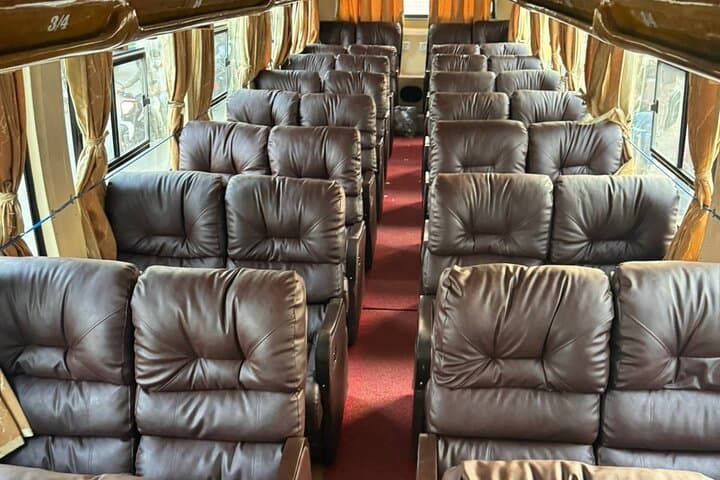
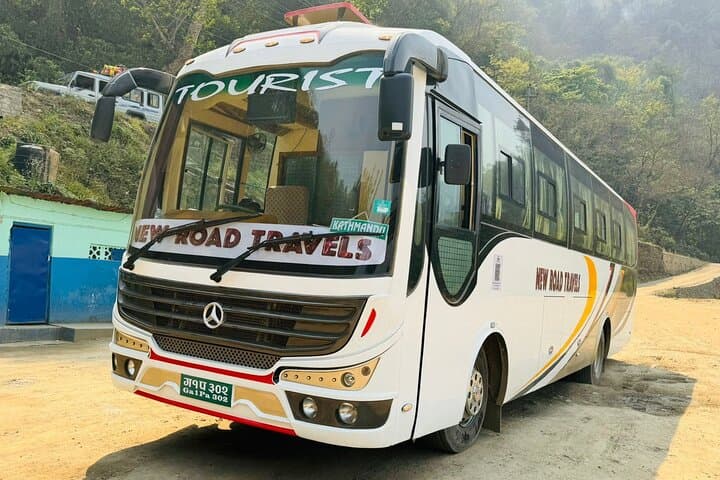
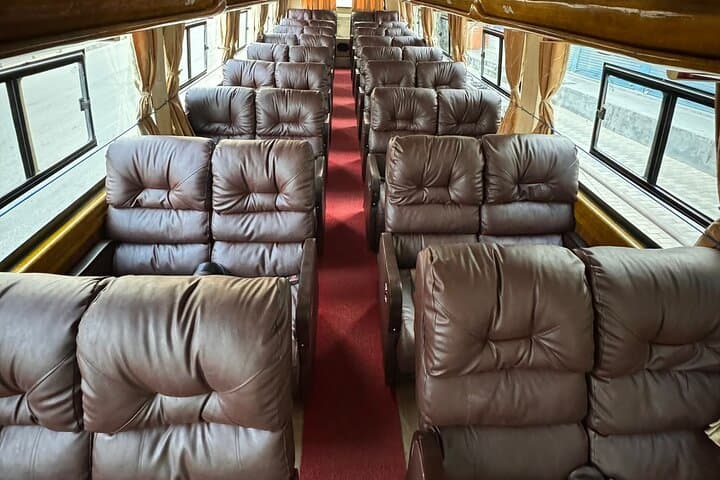
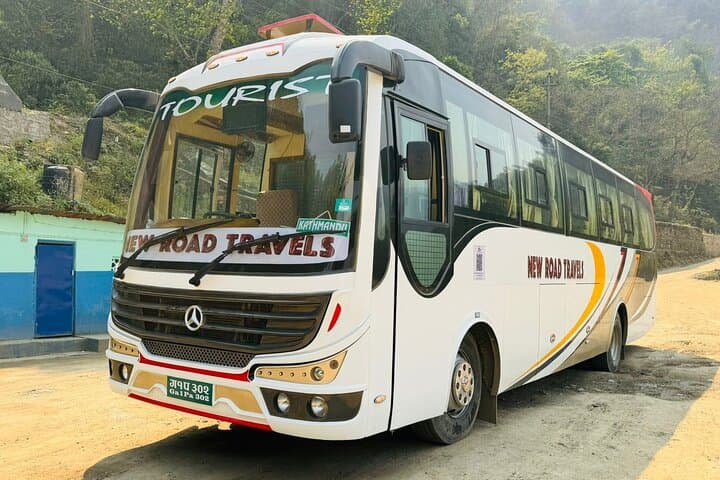
The bus hums awake at dawn in Shorakhutte, Thamel’s edges still holding last night’s lamps. You settle into a reclining “sofa” seat as the city thins and the road unspools west toward the Trishuli River. Through the window the valley folds into terraced hills, rivers daring you with white-water flashes and market towns blinking awake at roadside stops.
The bus hums awake at dawn in Shorakhutte, Thamel’s edges still holding last night’s lamps. You settle into a reclining “sofa” seat as the city thins and the road unspools west toward the Trishuli River. Through the window the valley folds into terraced hills, rivers daring you with white-water flashes and market towns blinking awake at roadside stops.
The route follows the Prithvi Highway, a lifeline carved through the lower Himalayan foothills that connects Nepal’s capital to the lakeside city of Pokhara. Geologically the road skirts the Churia (Siwalik) range before opening into the Annapurna foothills; culturally it threads Newari and hill-town stops where tea shops and fish restaurants serve commuters and travelers alike. Operators have run tourist buses on this corridor for decades; modern “sofa” buses add reclining comfort, air conditioning, and occasional onboard Wi‑Fi.
Practically, expect about 5–6 hours in normal traffic with two scheduled breaks — a 25-minute breakfast stop and a 30-minute lunch stop near the riverside at Malekhu/Kamalbari. Departures are punctual: Shorakhutte (Kathmandu) around 07:00 and Lakeside (Pokhara) around 07:30. Carry cash for meals, bring layers for variable temperatures, and stow larger bags in the undercarriage (operators recommend no more than two checked items). Motion-sickness riders should prep in advance; toilets are available only at stops. Tickets are mobile-friendly, refundable with 24-hour notice, and are a budget-smart alternative to flying — offering a straightforward, scenic passage across Nepal’s heartland.