THE ADVENTURE COLLECTIVE® · Independent discovery and booking for outdoor travel

A compact four-day loop from Kathmandu to Pokhara that combines UNESCO heritage in the valley with a scenic drive and Himalayan sunrise at Sarangkot. Ideal for travelers who want culture, short hikes and lakefront calm without long trekking.
A compact four-day loop from Kathmandu to Pokhara that combines UNESCO heritage in the valley with a scenic drive and Himalayan sunrise at Sarangkot. Ideal for travelers who want culture, short hikes and lakefront calm without long trekking.
Morning light strips across prayer flags at Boudhanath, and the stupa’s white dome seems to breathe with the city—pilgrims circling in slow, deliberate motion. The first day eases visitors into Kathmandu’s layered history: crowded courtyards, carved wooden windows, and the scents of incense and frying spices.
Verified experiences and guided adventures in the surrounding area.
Operated by Himalayan Smile Treks and Adventure Pvt. Ltd · Kathmandu, Bagmati Province
Morning light strips across prayer flags at Boudhanath, and the stupa’s white dome seems to breathe with the city—pilgrims circling in slow, deliberate motion. The first day eases visitors into Kathmandu’s layered history: crowded courtyards, carved wooden windows, and the scents of incense and frying spices.
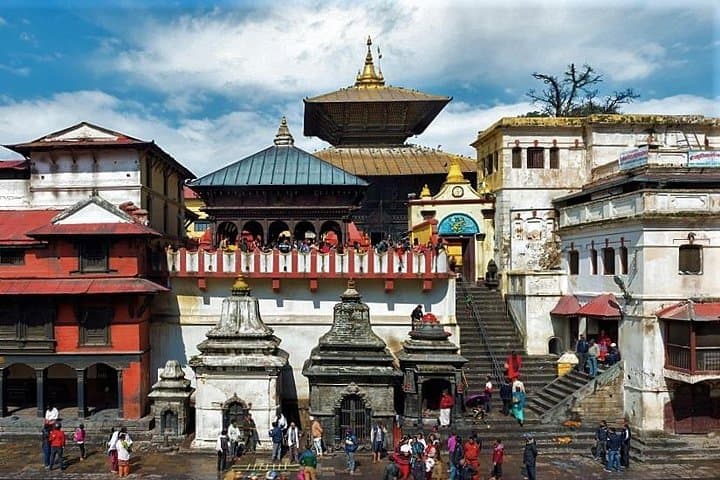
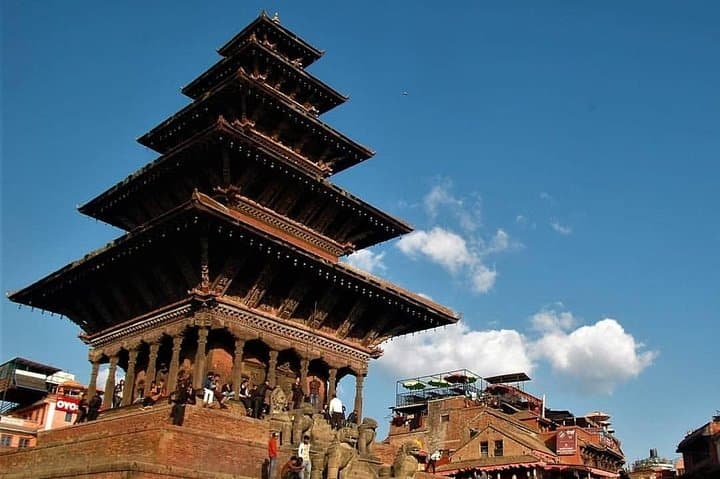
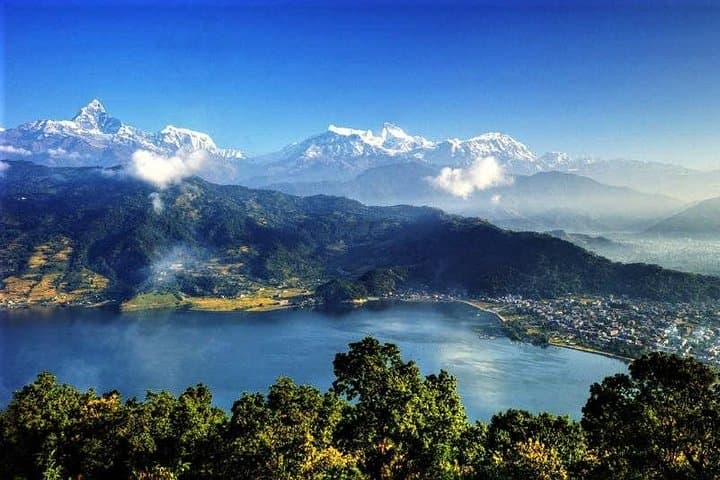
The itinerary moves from Kathmandu’s UNESCO-listed sites — Boudhanath’s monasteries, the riverside cremation ghats of Pashupatinath, and Bhaktapur Durbar Square’s 55-window palace — into a seven-hour scenic drive along the Prithvi Highway toward Pokhara. Geology is obvious on that route: terraced foothills, the Trishuli River cutting through younger Himalayan ridges, and then the wide valley of Pokhara where Phewa Lake reflects the Annapurna skyline.
Pokhara offers a sharp contrast in scale and texture: a lakeside town with caves, a narrow Seti Gorge, and mountain viewpoints like Sarangkot at about 1,600 m for sunrise over Annapurna, Dhaulagiri and Manaslu. Cultural notes include Bindhyabasini temple’s Newar traditions and local pottery at Bhaktapur’s Pottery Square.
Practical guidance: the tour is low-impact physically but involves long vehicle hours on days 2 and 4 and early starts for Sarangkot sunrise. Expect paved and unpaved sections, short stair climbs into temples and caves, and variable weather—cool mornings in the hills and warm, humid lakeside afternoons. Carry water, sun protection, comfortable walking shoes, and modest clothing for temple access. With a private guide and vehicle, the route is efficient for travelers wanting concentrated cultural and mountain views in four days.
easy.
4 days.
Suitable for travelers of most fitness levels; ability to manage several short walks and early mornings is helpful
The tour lists hotel pickup and drop-off in Kathmandu; airport transfers are typically arranged separately—confirm with the operator.
Most sites allow entry without permits, though some temple inner sanctums restrict non-Hindus; entrance fees to museums or specific monuments may apply.
No high-altitude trekking is included; Sarangkot at ~1,600 m and Kathmandu valley are unlikely to cause altitude sickness for most travelers.
Yes—Sarangkot is a launch point for paragliding operators, but those activities are not included and should be booked separately through licensed providers.
Kathmandu Valley has been a political and religious center for centuries, shaped by Newar artisans whose wood and stone carving traditions remain visible in Bhaktapur and Patan.
Phewa Lake and urban waterways face pressure from development and waste; travelers can minimize impact by using refillable bottles, staying on marked paths, and supporting community-run sites.
Himalayan Smile Treks and Adventure Pvt. Ltd operates guided outdoor trips and adventures with an emphasis on safety, stewardship, and memorable experiences.
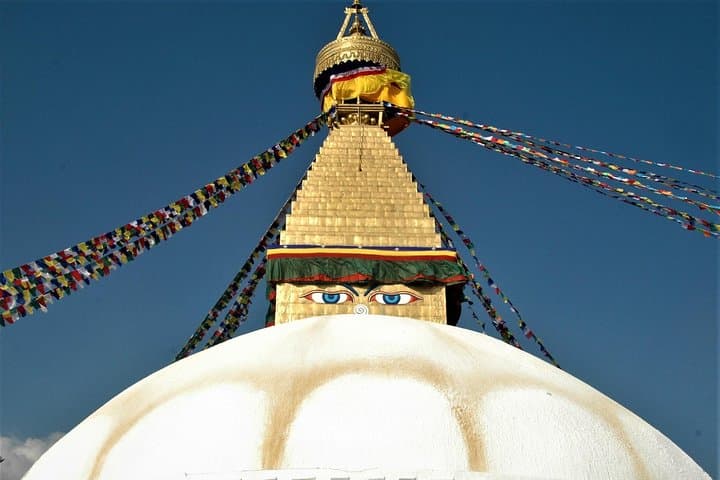
Morning light strips across prayer flags at Boudhanath, and the stupa’s white dome seems to breathe with the city—pilgrims circling in slow, deliberate motion. The first day eases visitors into Kathmandu’s layered history: crowded courtyards, carved wooden windows, and the scents of incense and frying spices.
Morning light strips across prayer flags at Boudhanath, and the stupa’s white dome seems to breathe with the city—pilgrims circling in slow, deliberate motion. The first day eases visitors into Kathmandu’s layered history: crowded courtyards, carved wooden windows, and the scents of incense and frying spices.
The itinerary moves from Kathmandu’s UNESCO-listed sites — Boudhanath’s monasteries, the riverside cremation ghats of Pashupatinath, and Bhaktapur Durbar Square’s 55-window palace — into a seven-hour scenic drive along the Prithvi Highway toward Pokhara. Geology is obvious on that route: terraced foothills, the Trishuli River cutting through younger Himalayan ridges, and then the wide valley of Pokhara where Phewa Lake reflects the Annapurna skyline.
Pokhara offers a sharp contrast in scale and texture: a lakeside town with caves, a narrow Seti Gorge, and mountain viewpoints like Sarangkot at about 1,600 m for sunrise over Annapurna, Dhaulagiri and Manaslu. Cultural notes include Bindhyabasini temple’s Newar traditions and local pottery at Bhaktapur’s Pottery Square.
Practical guidance: the tour is low-impact physically but involves long vehicle hours on days 2 and 4 and early starts for Sarangkot sunrise. Expect paved and unpaved sections, short stair climbs into temples and caves, and variable weather—cool mornings in the hills and warm, humid lakeside afternoons. Carry water, sun protection, comfortable walking shoes, and modest clothing for temple access. With a private guide and vehicle, the route is efficient for travelers wanting concentrated cultural and mountain views in four days.