THE ADVENTURE COLLECTIVE® · Independent discovery and booking for outdoor travel

A six-day circuit from Kathmandu to Nagarkot, Chitwan and Pokhara that pairs Himalayan sunrises with Terai wildlife safaris and lakeside culture. Expect long scenic drives, short guided walks, and a domestic flight back to Kathmandu.
A six-day circuit from Kathmandu to Nagarkot, Chitwan and Pokhara that pairs Himalayan sunrises with Terai wildlife safaris and lakeside culture. Expect long scenic drives, short guided walks, and a domestic flight back to Kathmandu.
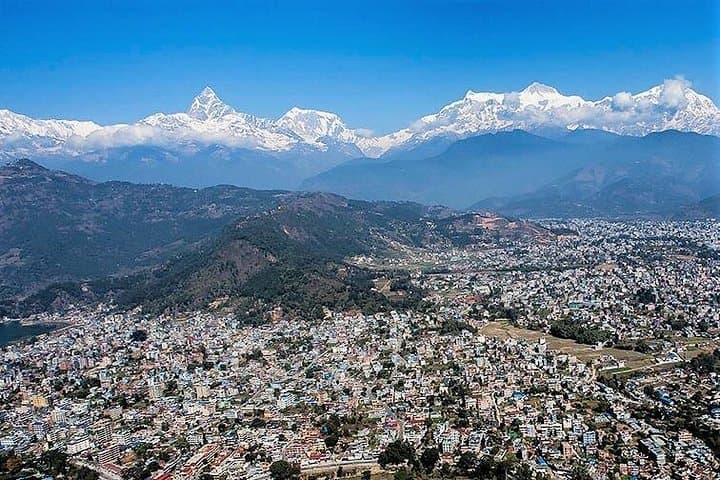
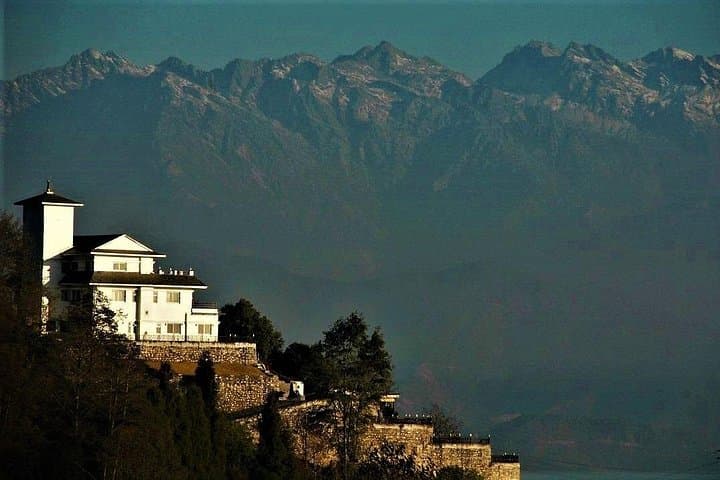
Morning breaks cool and thin above Nagarkot’s ridge at 2,175 m; the Himalayan skyline sharpens as sunlight fingers the snowline. This six-day loop moves from Kathmandu’s chaotic, sacred streets into highland viewpoints, then down onto the subtropical floodplains of Chitwan before finishing beside Pokhara’s placid lakes and Sarangkot ridgeline.
Verified experiences and guided adventures in the surrounding area.
Operated by Himalayan Smile Treks and Adventure Pvt. Ltd · Kathmandu, Bagmati Province
Morning breaks cool and thin above Nagarkot’s ridge at 2,175 m; the Himalayan skyline sharpens as sunlight fingers the snowline. This six-day loop moves from Kathmandu’s chaotic, sacred streets into highland viewpoints, then down onto the subtropical floodplains of Chitwan before finishing beside Pokhara’s placid lakes and Sarangkot ridgeline.
Kathmandu Valley holds centuries of Newari architecture and living temples shaped by tectonic uplift and river incision. Nagarkot sits on ancient moraine and ridge lines offering panoramic views across ranges that include parts of Annapurna and, on rare clear days, distant Everest. Chitwan National Park protects Terai grasslands and riverine forests where the Rapti pushes through oxbow lakes; local Tharu communities maintain distinct cultural practices and dance traditions. Pokhara’s limestone caves, Seti Gorge, and the lakeshore reflect the region’s mix of fluvial geology and human pilgrimage.
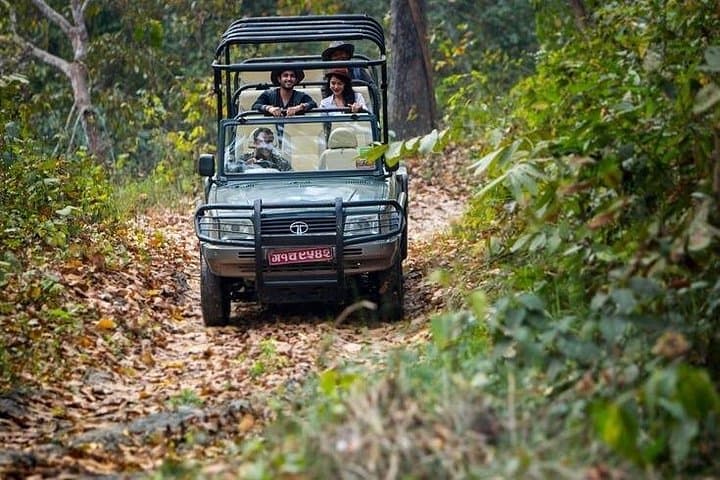
Practical guide: arrival in Kathmandu is typically the tour’s start; drive times are long but scenic—Kathmandu to Nagarkot ~1–1.5 hours, Nagarkot to Chitwan ~5–6 hours, Chitwan to Pokhara ~4–6 hours. Domestic flight from Pokhara to Kathmandu is ~25–30 minutes. Expect vehicle transfers, short guided walks, a jeep safari and canoeing in Chitwan, and several early-morning sunrises (Sarangkot, Nagarkot).
Pack layers for large diurnal swings, a light rain jacket for monsoon season, sturdy walking shoes for short village and park trails, and insect repellent for Chitwan. Carry photocopies of travel documents and a small first-aid kit. With modest fitness and an appetite for varied landscapes, this route gives a concentrated introduction to Nepal’s mountains, wildlife, and cultural rhythms.
easy.
5–6 days.
Suitable for travelers of basic fitness; mostly vehicle-based with short walks and optional safari treks.
Expect anywhere from 1–6 hours depending on the leg—Kathmandu to Nagarkot ~1–1.5 hours, Nagarkot to Chitwan ~5–6 hours, Chitwan to Pokhara ~4–6 hours; roads can be slower due to traffic and conditions.
Jeep safaris and river activities increase your chance to see one-horned rhinoceros and Asian elephants, but sightings are not guaranteed—guides and park rangers maximize your odds.
Nagarkot (2,175 m) can feel brisk but generally poses low altitude risk; standard precautions—hydrate, avoid heavy exertion on arrival—are usually sufficient.
Breakfasts are provided most days; Chitwan typically includes full board in the itinerary while other stops include bed-and-breakfast arrangements as specified by the operator.
Kathmandu Valley has been a cultural and religious crossroads for over a millennium, with Newari craftsmanship and temple complexes reflecting centuries of Hindu and Buddhist practice.
Chitwan National Park is a UNESCO site with active rhino and tiger protection programs; visitors are encouraged to follow park rules, support licensed guides, and minimize plastic waste.
Himalayan Smile Treks and Adventure Pvt. Ltd operates guided outdoor trips and adventures with an emphasis on safety, stewardship, and memorable experiences.

Morning breaks cool and thin above Nagarkot’s ridge at 2,175 m; the Himalayan skyline sharpens as sunlight fingers the snowline. This six-day loop moves from Kathmandu’s chaotic, sacred streets into highland viewpoints, then down onto the subtropical floodplains of Chitwan before finishing beside Pokhara’s placid lakes and Sarangkot ridgeline.
Morning breaks cool and thin above Nagarkot’s ridge at 2,175 m; the Himalayan skyline sharpens as sunlight fingers the snowline. This six-day loop moves from Kathmandu’s chaotic, sacred streets into highland viewpoints, then down onto the subtropical floodplains of Chitwan before finishing beside Pokhara’s placid lakes and Sarangkot ridgeline.
Kathmandu Valley holds centuries of Newari architecture and living temples shaped by tectonic uplift and river incision. Nagarkot sits on ancient moraine and ridge lines offering panoramic views across ranges that include parts of Annapurna and, on rare clear days, distant Everest. Chitwan National Park protects Terai grasslands and riverine forests where the Rapti pushes through oxbow lakes; local Tharu communities maintain distinct cultural practices and dance traditions. Pokhara’s limestone caves, Seti Gorge, and the lakeshore reflect the region’s mix of fluvial geology and human pilgrimage.
Practical guide: arrival in Kathmandu is typically the tour’s start; drive times are long but scenic—Kathmandu to Nagarkot ~1–1.5 hours, Nagarkot to Chitwan ~5–6 hours, Chitwan to Pokhara ~4–6 hours. Domestic flight from Pokhara to Kathmandu is ~25–30 minutes. Expect vehicle transfers, short guided walks, a jeep safari and canoeing in Chitwan, and several early-morning sunrises (Sarangkot, Nagarkot).
Pack layers for large diurnal swings, a light rain jacket for monsoon season, sturdy walking shoes for short village and park trails, and insect repellent for Chitwan. Carry photocopies of travel documents and a small first-aid kit. With modest fitness and an appetite for varied landscapes, this route gives a concentrated introduction to Nepal’s mountains, wildlife, and cultural rhythms.