THE ADVENTURE COLLECTIVE® · Independent discovery and booking for outdoor travel

This eight-day circuit pairs Kathmandu’s UNESCO temples with ridge hikes to Chisapani and Nagarkot and community stays in hill villages. Expect cultural immersion, moderate hikes, and a hands-on school volunteering program organized around sustainable, local-led initiatives.
This eight-day circuit pairs Kathmandu’s UNESCO temples with ridge hikes to Chisapani and Nagarkot and community stays in hill villages. Expect cultural immersion, moderate hikes, and a hands-on school volunteering program organized around sustainable, local-led initiatives.
You step off the quiet Thamel lane before dawn and the valley yawns—smoke from rooftop kitchens drifting like a low cloud while prayer flags along the trail snap awake. The first day moves through Kathmandu’s centuries-old squares: carved wood, red brick, and the low chatter of market vendors selling spices and brassware. By day two you’re swapping city dust for the cool green of the Shivapuri watershed, hiking from Sundarijal through rhododendron and oak to Chisapani ridge—about 10–12 km with roughly 600–800 m of elevation gain—where the Himalayan skyline begins to pierce the horizon.
Verified experiences and guided adventures in the surrounding area.
Operated by Sabbatical Explore Nepal (Social Tourism Nepal) · Kathmandu, Bagmati Province
You step off the quiet Thamel lane before dawn and the valley yawns—smoke from rooftop kitchens drifting like a low cloud while prayer flags along the trail snap awake. The first day moves through Kathmandu’s centuries-old squares: carved wood, red brick, and the low chatter of market vendors selling spices and brassware. By day two you’re swapping city dust for the cool green of the Shivapuri watershed, hiking from Sundarijal through rhododendron and oak to Chisapani ridge—about 10–12 km with roughly 600–800 m of elevation gain—where the Himalayan skyline begins to pierce the horizon.
This eight-day itinerary balances UNESCO-listed urban heritage with village life and responsible tourism. Kathmandu Valley has been a crossroads of Newar artisans and Himalayan traders for a thousand years, and the route threads through Bhaktapur and Patan’s courtyards, Swayambhunath’s monkey-guarded terraces, and quieter temple complexes that illustrate the interwoven Hindu and Buddhist traditions of the valley.
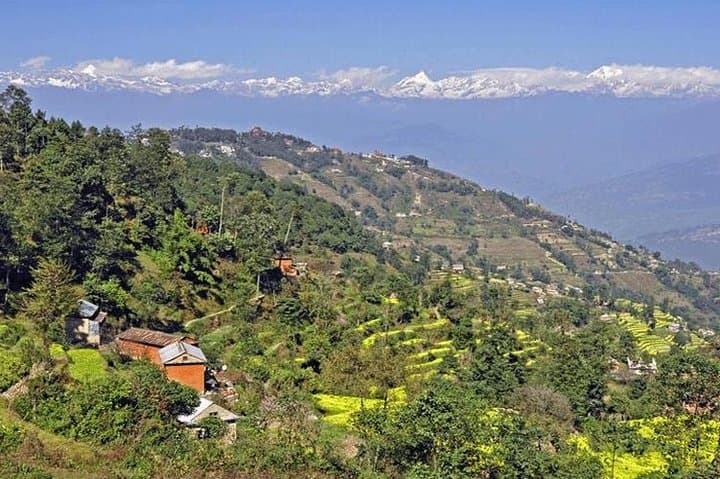
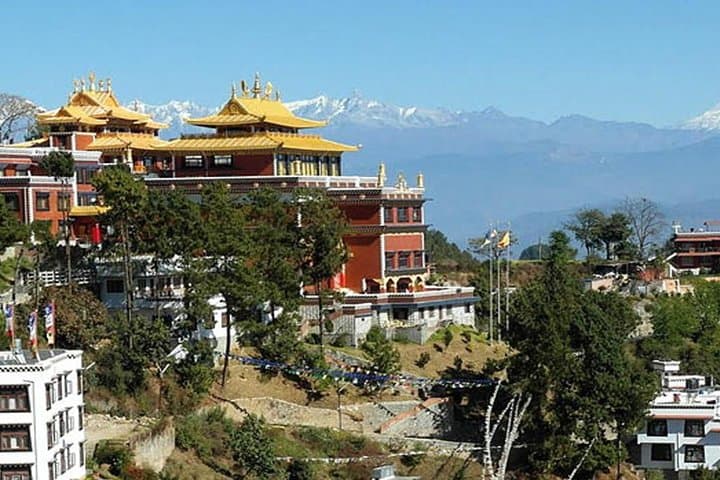
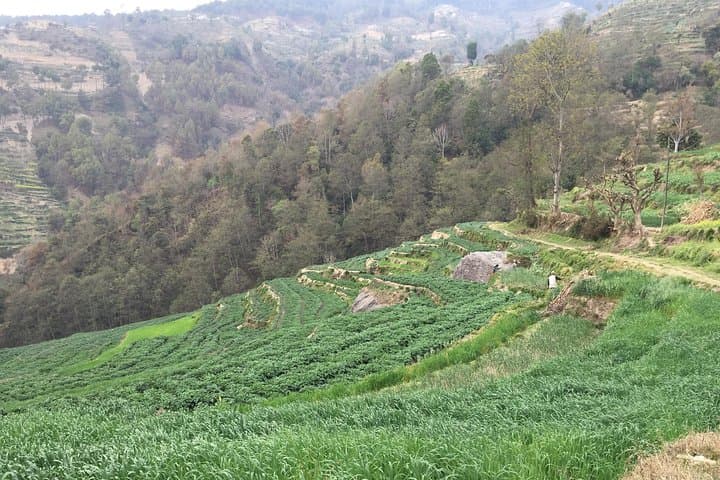
Geologically, you’re walking the southern foothills of the Himalaya: young fold mountains with steep drainage and terraced slopes carved by centuries of rice cultivation. The hills themselves push east-west, funneling monsoon rains and creating the green pockets where villagers farm and where small monasteries perch. Local culture centers on rice, ritual, and hospitality—expect invites to share tea, and conversations that move from family life to farming cycles.
The community component turns observation into participation. Days four and five place you with host families and in village schools; volunteers assist with lesson activities or bring school supplies. This is not charity tourism: it’s small-scale, organized to leave direct, traceable benefits in classrooms and homesteads.
Practical guide: the trip is best for fit travelers comfortable with multiple half-day hikes and long days on foot. Pack sturdy trekking shoes, a daypack with rain shell, and 2–3 liters of water capacity. Altitude is mild—most nights stay below 2,200 m—but mornings can be cold; layers are essential. Expect varied terrain: paved streets in the city, rocky ridge paths, and muddy village tracks after rain. Bring small donations for schools (pencils, notebooks) if you wish, and leave single-use plastics at home—the operator emphasizes sustainable practices.
Timing matters: post-monsoon autumn and spring offer the best Himalayan clarity. Guides are local, English-speaking, and include vehicle transfers between towns. If you want a sabbatical-style stay, the operators will tailor longer volunteer placements. This itinerary rewards travelers who want culture, mountains, and meaningful community exchange without technical climbing—just boots, curiosity, and a readiness to walk into everyday Nepali life.
moderate.
7–8 days.
Good aerobic baseline—comfortable walking 3–6 hours on uneven trails; not suitable for those with serious spinal issues.
Most nationalities can obtain a tourist visa on arrival at Kathmandu airport or apply online; check current embassy guidance before travel.
Expect moderate hikes of 2–6 hours over uneven terrain with some steep sections; no technical climbing required.
This itinerary stays below about 2,200 m, where serious altitude illness is uncommon, but monitor headaches and hydration and inform guides of any symptoms.
Yes — the operator mentions sabbatical and gap-year options and can extend community placements on request.
Routine immunizations are recommended; consult a travel clinic about hepatitis A, typhoid, and routine boosters, and carry basic first-aid supplies.
Families with older, active children can participate, but note the program involves long days and village stays that may not suit very young kids.
Kathmandu Valley has been a cultural and trading hub for over a millennium; much of the city’s brickwork and woodcraft dates to medieval Newar kingdoms and is protected as UNESCO World Heritage.
The program emphasizes small-scale, local-led volunteering and encourages reducing plastic waste and supporting village economies to minimize tourism’s footprint.
Sabbatical Explore Nepal (Social Tourism Nepal) operates guided outdoor trips and adventures with an emphasis on safety, stewardship, and memorable experiences.
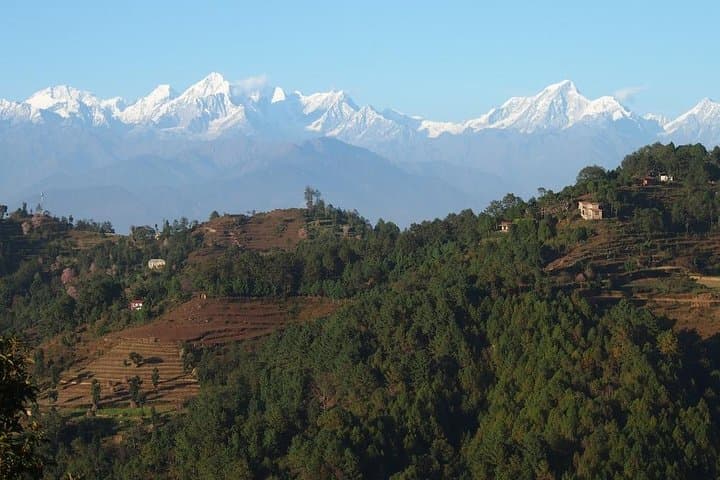
You step off the quiet Thamel lane before dawn and the valley yawns—smoke from rooftop kitchens drifting like a low cloud while prayer flags along the trail snap awake. The first day moves through Kathmandu’s centuries-old squares: carved wood, red brick, and the low chatter of market vendors selling spices and brassware. By day two you’re swapping city dust for the cool green of the Shivapuri watershed, hiking from Sundarijal through rhododendron and oak to Chisapani ridge—about 10–12 km with roughly 600–800 m of elevation gain—where the Himalayan skyline begins to pierce the horizon.
You step off the quiet Thamel lane before dawn and the valley yawns—smoke from rooftop kitchens drifting like a low cloud while prayer flags along the trail snap awake. The first day moves through Kathmandu’s centuries-old squares: carved wood, red brick, and the low chatter of market vendors selling spices and brassware. By day two you’re swapping city dust for the cool green of the Shivapuri watershed, hiking from Sundarijal through rhododendron and oak to Chisapani ridge—about 10–12 km with roughly 600–800 m of elevation gain—where the Himalayan skyline begins to pierce the horizon.
This eight-day itinerary balances UNESCO-listed urban heritage with village life and responsible tourism. Kathmandu Valley has been a crossroads of Newar artisans and Himalayan traders for a thousand years, and the route threads through Bhaktapur and Patan’s courtyards, Swayambhunath’s monkey-guarded terraces, and quieter temple complexes that illustrate the interwoven Hindu and Buddhist traditions of the valley.
Geologically, you’re walking the southern foothills of the Himalaya: young fold mountains with steep drainage and terraced slopes carved by centuries of rice cultivation. The hills themselves push east-west, funneling monsoon rains and creating the green pockets where villagers farm and where small monasteries perch. Local culture centers on rice, ritual, and hospitality—expect invites to share tea, and conversations that move from family life to farming cycles.
The community component turns observation into participation. Days four and five place you with host families and in village schools; volunteers assist with lesson activities or bring school supplies. This is not charity tourism: it’s small-scale, organized to leave direct, traceable benefits in classrooms and homesteads.
Practical guide: the trip is best for fit travelers comfortable with multiple half-day hikes and long days on foot. Pack sturdy trekking shoes, a daypack with rain shell, and 2–3 liters of water capacity. Altitude is mild—most nights stay below 2,200 m—but mornings can be cold; layers are essential. Expect varied terrain: paved streets in the city, rocky ridge paths, and muddy village tracks after rain. Bring small donations for schools (pencils, notebooks) if you wish, and leave single-use plastics at home—the operator emphasizes sustainable practices.
Timing matters: post-monsoon autumn and spring offer the best Himalayan clarity. Guides are local, English-speaking, and include vehicle transfers between towns. If you want a sabbatical-style stay, the operators will tailor longer volunteer placements. This itinerary rewards travelers who want culture, mountains, and meaningful community exchange without technical climbing—just boots, curiosity, and a readiness to walk into everyday Nepali life.