THE ADVENTURE COLLECTIVE® · Independent discovery and booking for outdoor travel

Move from Kathmandu’s centuries-old squares to Chitwan’s humid sal forest on a seven-day tour that pairs UNESCO heritage with jungle safaris. Expect guided temple visits, a Tharu cultural evening, canoe birding and jeep safaris in Chitwan National Park.
Move from Kathmandu’s centuries-old squares to Chitwan’s humid sal forest on a seven-day tour that pairs UNESCO heritage with jungle safaris. Expect guided temple visits, a Tharu cultural evening, canoe birding and jeep safaris in Chitwan National Park.
You step out into Kathmandu’s narrow lanes at dawn—temples’ brass bells cutting through the market calls while saffron-clad priests move toward courtyards. The valley air holds a dry, dusty warmth; prayer flags beat like small drums above you. Over the week that scene gives way to the slow green current of the Rapti River and the low, humid hush of Chitwan’s sal forest where the jungle seems to watch you back.
Verified experiences and guided adventures in the surrounding area.
Operated by Eve Holidays · Kathmandu, Bagmati Province
You step out into Kathmandu’s narrow lanes at dawn—temples’ brass bells cutting through the market calls while saffron-clad priests move toward courtyards. The valley air holds a dry, dusty warmth; prayer flags beat like small drums above you. Over the week that scene gives way to the slow green current of the Rapti River and the low, humid hush of Chitwan’s sal forest where the jungle seems to watch you back.
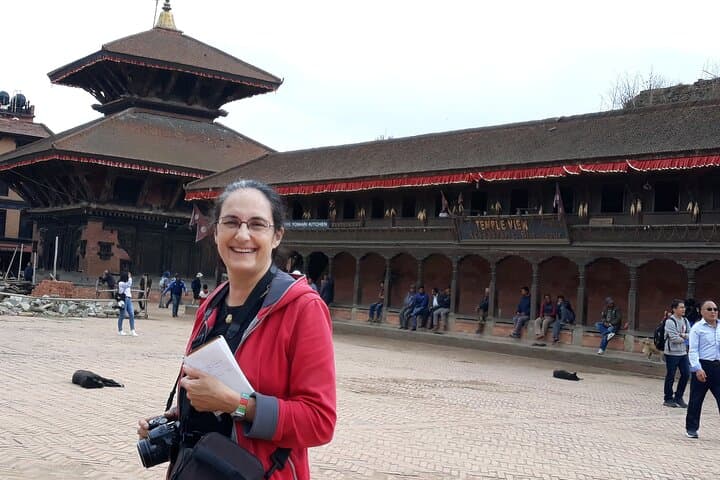
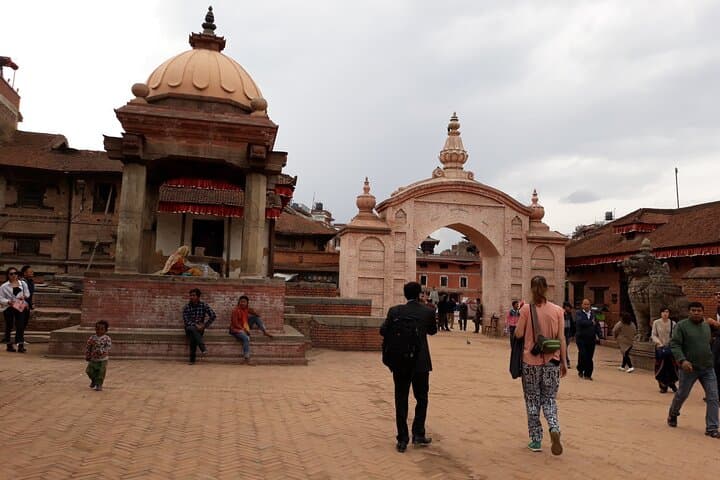
This itinerary threads eight UNESCO-listed sites across Kathmandu, Patan and Bhaktapur—places shaped by Newar city-states and centuries of Hindu and Buddhist practice. Geologically the valley is an intermontane basin ringed by foothills; the architecture here preserves medieval pagoda and stupa forms, while Chitwan sits on Terai floodplains, forged by seasonal rivers and alluvial soil.
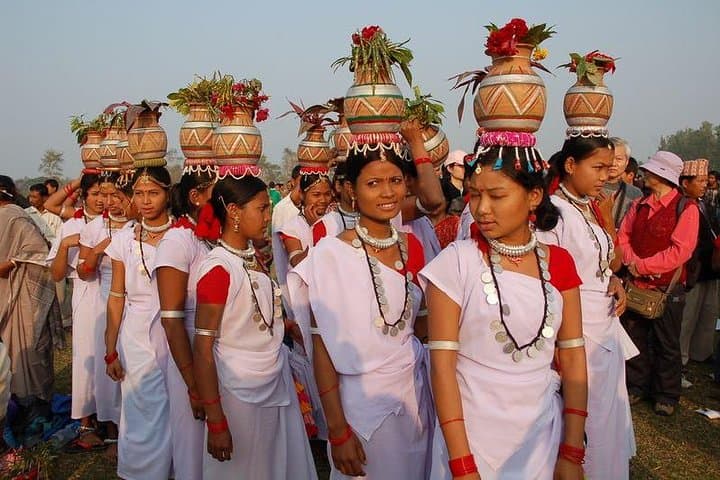
Culturally you’ll meet living traditions: temple rituals in Kathmandu, bronze-casting in Patan, and the Tharu people’s music and dance along the Rapti. In Chitwan National Park expect classic lowland wildlife—one-horned rhinoceros, sloth bears, gharial and abundant waterbirds—seen by jeep, jungle walk and canoe.
Practical edge: Kathmandu sits at ~1,400 m; Chitwan is lowland (≈415 m) and reached by a 5–6 hour drive. Daily walking is moderate—cobblestones in heritage squares, uneven jungle trails—so solid walking shoes and sun protection matter. Bring binoculars, insect repellent and layers for variable city mornings. Respect cultural sites (remove shoes, modest dress) and follow guides’ instructions in the park—do not feed or approach wildlife. The trip balances easy travel logistics with rich, distinct environments: urban art and ritual one day, river and grassland wildlife the next.
easy.
7 days.
Suitable for most fitness levels; includes moderate walking on uneven city pavements and short jungle trails but no technical exertion.
Kathmandu sits around 1,400 m, which is low risk for most travelers; typical symptoms are rare but stay hydrated and ascend gradually.
October to March offers cooler, drier weather and good visibility; spring brings bird migration and sharper foliage contrast for sightings.
Yes—this itinerary includes national park fees and an experienced jungle guide for activities in Chitwan National Park.
The program is classified as easy and billed suitable for all ages, but consider mobility limitations for jeep safaris and some walking sections.
Kathmandu Valley’s Durbar Squares and stupas reflect centuries of Newar craftsmanship and the political role of medieval city-states; many structures are UNESCO-listed for their cultural significance.
Chitwan National Park is a conservation success for the one-horned rhino and relies on community-based tourism; follow park rules to minimize disturbance and support local livelihoods.
Eve Holidays operates guided outdoor trips and adventures with an emphasis on safety, stewardship, and memorable experiences.
You step out into Kathmandu’s narrow lanes at dawn—temples’ brass bells cutting through the market calls while saffron-clad priests move toward courtyards. The valley air holds a dry, dusty warmth; prayer flags beat like small drums above you. Over the week that scene gives way to the slow green current of the Rapti River and the low, humid hush of Chitwan’s sal forest where the jungle seems to watch you back.
You step out into Kathmandu’s narrow lanes at dawn—temples’ brass bells cutting through the market calls while saffron-clad priests move toward courtyards. The valley air holds a dry, dusty warmth; prayer flags beat like small drums above you. Over the week that scene gives way to the slow green current of the Rapti River and the low, humid hush of Chitwan’s sal forest where the jungle seems to watch you back.
This itinerary threads eight UNESCO-listed sites across Kathmandu, Patan and Bhaktapur—places shaped by Newar city-states and centuries of Hindu and Buddhist practice. Geologically the valley is an intermontane basin ringed by foothills; the architecture here preserves medieval pagoda and stupa forms, while Chitwan sits on Terai floodplains, forged by seasonal rivers and alluvial soil.
Culturally you’ll meet living traditions: temple rituals in Kathmandu, bronze-casting in Patan, and the Tharu people’s music and dance along the Rapti. In Chitwan National Park expect classic lowland wildlife—one-horned rhinoceros, sloth bears, gharial and abundant waterbirds—seen by jeep, jungle walk and canoe.
Practical edge: Kathmandu sits at ~1,400 m; Chitwan is lowland (≈415 m) and reached by a 5–6 hour drive. Daily walking is moderate—cobblestones in heritage squares, uneven jungle trails—so solid walking shoes and sun protection matter. Bring binoculars, insect repellent and layers for variable city mornings. Respect cultural sites (remove shoes, modest dress) and follow guides’ instructions in the park—do not feed or approach wildlife. The trip balances easy travel logistics with rich, distinct environments: urban art and ritual one day, river and grassland wildlife the next.