THE ADVENTURE COLLECTIVE® · Independent discovery and booking for outdoor travel

A compact 3-night trek around Kathmandu’s eastern rim, the Skyline Trek delivers Himalayan sunrises, village trails and monastery visits without high-altitude strain. Ideal for beginners seeking dramatic views and cultural stops in just four days.
A compact 3-night trek around Kathmandu’s eastern rim, the Skyline Trek delivers Himalayan sunrises, village trails and monastery visits without high-altitude strain. Ideal for beginners seeking dramatic views and cultural stops in just four days.
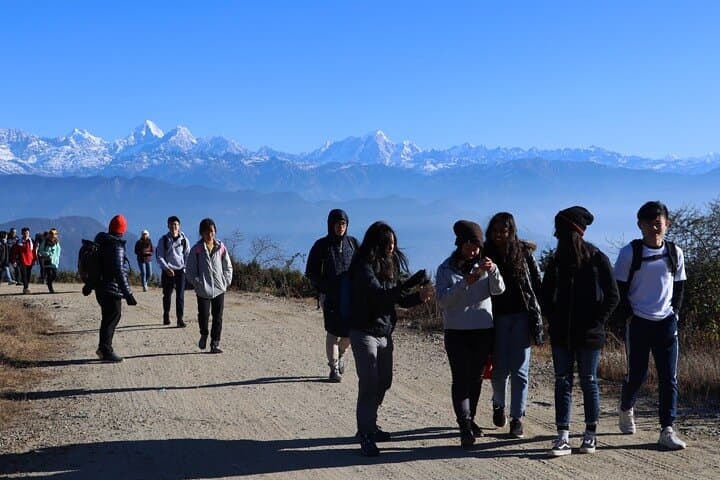
Dawn arrives cold and sharp on the rim of the Kathmandu Valley; you stand on a stone wall in Nagarkot watching peaks take color while village roofs below lie under a sea of morning mist.
Verified experiences and guided adventures in the surrounding area.
Operated by Himalayan Advisor Pvt. Ltd. · Kathmandu, Bagmati Province
Dawn arrives cold and sharp on the rim of the Kathmandu Valley; you stand on a stone wall in Nagarkot watching peaks take color while village roofs below lie under a sea of morning mist.
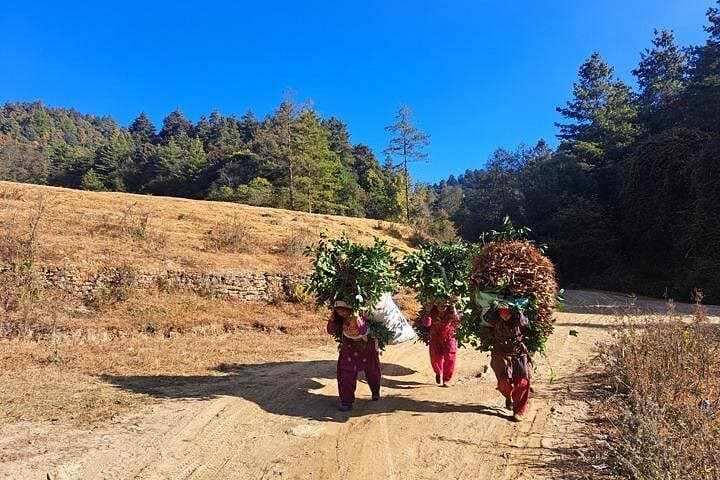
This short, accessible trek stitches together hilltop viewpoints, terraced fields and small Newari towns across 1,500–2,200 m elevations. The route follows old footpaths and forest tracks that have carried traders and pilgrims for centuries — from Shankhu’s village lanes to the sacred stupa at Namo Buddha where a local legend of self-sacrifice draws quiet devotion.
Geologically the trail skirts the Kathmandu basin edge, where uplifted ridges frame dramatic north-facing Himalayan views rather than alpine glaciated terrain; forests of rhododendron and oak dominate the slopes and burst into color in spring.
Culturally the days mix Newari town squares, hilltop Kali shrines and Tibetan Buddhist monasteries, so expect prayer flags, carved woodwork and small tea houses offering dal bhat.
Practical guidance: daily walking is light to moderate — plan 2–5 hours on unpaved trails per day with short, steep sections and steps. Carry a warm layer for sunrise at 2,175 m in Nagarkot and a rain shell during monsoon months. Accommodations are simple hotels or village lodges each night; private transport links the route to Kathmandu.
Pace mornings for sunrise views and afternoons for village strolls. Hydrate steadily at altitude changes, use sturdy footwear for terraced trails, and respect monastery etiquette. The trek is an efficient way to see Himalayan panoramas and rural life without committing to high-altitude logistics.
moderate.
3–4 days.
Light to moderate fitness: comfortable walking 2–5 hours per day on uneven terrain; stair climbing ability helpful
The trek is graded moderate with short daily hikes (2–5 hours) and no technical sections; suitable for fit beginners with basic hiking experience.
Everest is visible on very clear mornings from Nagarkot and Dhulikhel viewpoints, but visibility depends on weather and air quality.
No special trekking permits are required for this short valley route, but always carry ID and respect local entry rules at monasteries and temples.
Accommodations are basic to comfortable guesthouses or hotels offering private rooms and hot meals; expect simple amenities in village lodges.
The route follows age-old trade and pilgrimage paths on the Kathmandu Valley rim, passing Newari towns and the Namo Buddha stupa linked to an ancient Buddhist legend.
Stick to trails, pack out waste and minimize plastic use; community tourism supports local livelihoods, so favor village-run lodgings and guides.
Himalayan Advisor Pvt. Ltd. operates guided outdoor trips and adventures with an emphasis on safety, stewardship, and memorable experiences.
Dawn arrives cold and sharp on the rim of the Kathmandu Valley; you stand on a stone wall in Nagarkot watching peaks take color while village roofs below lie under a sea of morning mist.
Dawn arrives cold and sharp on the rim of the Kathmandu Valley; you stand on a stone wall in Nagarkot watching peaks take color while village roofs below lie under a sea of morning mist.
This short, accessible trek stitches together hilltop viewpoints, terraced fields and small Newari towns across 1,500–2,200 m elevations. The route follows old footpaths and forest tracks that have carried traders and pilgrims for centuries — from Shankhu’s village lanes to the sacred stupa at Namo Buddha where a local legend of self-sacrifice draws quiet devotion.
Geologically the trail skirts the Kathmandu basin edge, where uplifted ridges frame dramatic north-facing Himalayan views rather than alpine glaciated terrain; forests of rhododendron and oak dominate the slopes and burst into color in spring.
Culturally the days mix Newari town squares, hilltop Kali shrines and Tibetan Buddhist monasteries, so expect prayer flags, carved woodwork and small tea houses offering dal bhat.
Practical guidance: daily walking is light to moderate — plan 2–5 hours on unpaved trails per day with short, steep sections and steps. Carry a warm layer for sunrise at 2,175 m in Nagarkot and a rain shell during monsoon months. Accommodations are simple hotels or village lodges each night; private transport links the route to Kathmandu.
Pace mornings for sunrise views and afternoons for village strolls. Hydrate steadily at altitude changes, use sturdy footwear for terraced trails, and respect monastery etiquette. The trek is an efficient way to see Himalayan panoramas and rural life without committing to high-altitude logistics.