THE ADVENTURE COLLECTIVE® · Independent discovery and booking for outdoor travel

Walk through Kathmandu’s royal past on a private 2–3 hour tour that pairs the medieval courtyards of Durbar Square with the modern Narayanhiti Palace Museum. Learn palace history, local crafts, and practical tips for an accessible city stroll.
Walk through Kathmandu’s royal past on a private 2–3 hour tour that pairs the medieval courtyards of Durbar Square with the modern Narayanhiti Palace Museum. Learn palace history, local crafts, and practical tips for an accessible city stroll.
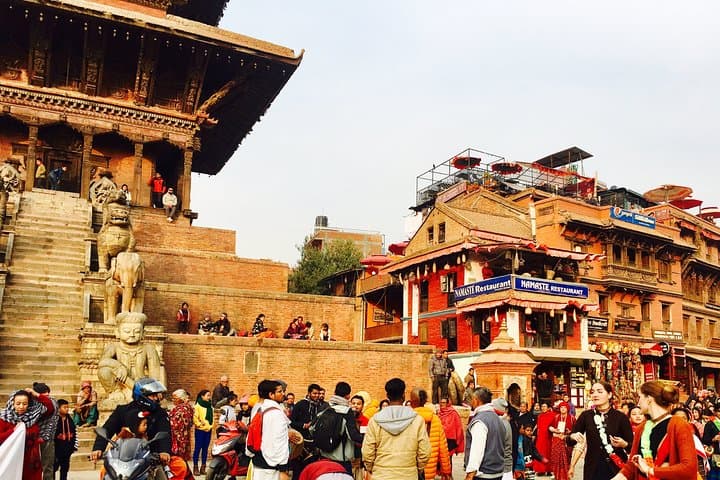
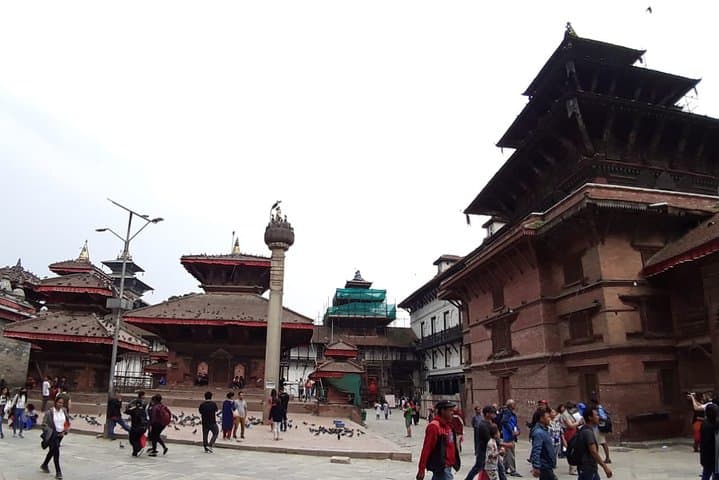
You step from a narrow, sun-warmed alley into a square that feels older than the city itself: carved wooden windows lean over stone courtyards, and the bustle of vendors and pigeons greets you like an old friend.
Verified experiences and guided adventures in the surrounding area.
Operated by Couch Adventure Nepal (CAN) · Kathmandu, Bagmati Province
You step from a narrow, sun-warmed alley into a square that feels older than the city itself: carved wooden windows lean over stone courtyards, and the bustle of vendors and pigeons greets you like an old friend.
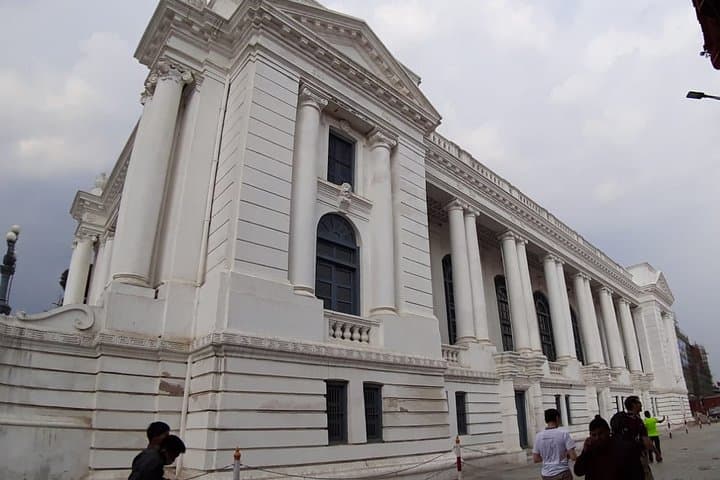
This private 2–3 hour tour threads two chapters of Nepal’s royal story: Kathmandu Durbar Square, the medieval seat of Malla and Shah monarchs with its tiered temples and woodcarving galleries; then Narayanhiti Palace, the modern 20th-century residence now open as a museum where the last king’s rooms map recent political change.
Geology here is the Himalaya’s foothills—mud-brick lanes built on alluvial plains—so courtyards collect rain and city life moves through narrow drainage lines. The culture is Newar: guilds of carpenters and masons whose woodwork and pagoda roofs define the square’s skyline. Expect shrines, brass donations plates, prayer flags snagged on lampposts and a constant current of people negotiating space; the city itself nudges you forward.
Practical guidance: the route is urban pavement and steps; wheelchair access is available for parts but some temples have thresholds. Bring comfortable walking shoes, modest clothing for temple areas, and small notes for local offerings. Peak light for photography is morning or late afternoon; mid-day is hottest and busiest.
Your English-speaking guide steers you past ticket lines and explains symbolism in masks and murals, while a short transfer connects the two sites. The tour balances close-up cultural reading with the broad sweep of Nepal’s transition from monarchy to republic—compact, walkable, and rich in detail.
easy.
2–3 hours.
Low; suitable for all fitness levels with some standing and short walks between sites.
No; the tour price covers guide and transfers but national heritage site entrance fees are typically paid on-site.
Parts of the tour are wheelchair accessible and the operator lists it as suitable, but some historic thresholds and temple steps may require assistance.
Yes; this private tour includes round-trip car transfers and hotel pickup/drop-off.
An English-speaking guide is provided; request for other languages should be made at booking and may incur extra cost.
Durbar Square preserves centuries of Newar royal and religious architecture; Narayanhiti Palace was converted to a public museum after the monarchy ended in 2008, marking Nepal’s political shift.
Historic wood and brick structures are fragile—stay on designated paths, avoid touching carvings, and support local conservation fees or guides who fund preservation efforts.
Couch Adventure Nepal (CAN) operates guided outdoor trips and adventures with an emphasis on safety, stewardship, and memorable experiences.
You step from a narrow, sun-warmed alley into a square that feels older than the city itself: carved wooden windows lean over stone courtyards, and the bustle of vendors and pigeons greets you like an old friend.
You step from a narrow, sun-warmed alley into a square that feels older than the city itself: carved wooden windows lean over stone courtyards, and the bustle of vendors and pigeons greets you like an old friend.
This private 2–3 hour tour threads two chapters of Nepal’s royal story: Kathmandu Durbar Square, the medieval seat of Malla and Shah monarchs with its tiered temples and woodcarving galleries; then Narayanhiti Palace, the modern 20th-century residence now open as a museum where the last king’s rooms map recent political change.
Geology here is the Himalaya’s foothills—mud-brick lanes built on alluvial plains—so courtyards collect rain and city life moves through narrow drainage lines. The culture is Newar: guilds of carpenters and masons whose woodwork and pagoda roofs define the square’s skyline. Expect shrines, brass donations plates, prayer flags snagged on lampposts and a constant current of people negotiating space; the city itself nudges you forward.
Practical guidance: the route is urban pavement and steps; wheelchair access is available for parts but some temples have thresholds. Bring comfortable walking shoes, modest clothing for temple areas, and small notes for local offerings. Peak light for photography is morning or late afternoon; mid-day is hottest and busiest.
Your English-speaking guide steers you past ticket lines and explains symbolism in masks and murals, while a short transfer connects the two sites. The tour balances close-up cultural reading with the broad sweep of Nepal’s transition from monarchy to republic—compact, walkable, and rich in detail.