THE ADVENTURE COLLECTIVE® · Independent discovery and booking for outdoor travel

Cover four of Kathmandu’s UNESCO sites in a single day: Swayambhunath, Patan Durbar Square, Pashupatinath and Boudhanath. This private tour pairs efficient transport with a local guide to navigate temple etiquette, history and street-food stops.
Cover four of Kathmandu’s UNESCO sites in a single day: Swayambhunath, Patan Durbar Square, Pashupatinath and Boudhanath. This private tour pairs efficient transport with a local guide to navigate temple etiquette, history and street-food stops.
You step off the air-conditioned vehicle onto a wind-scoured terrace and the city opens: prayer flags snap, kites wheel above dusty rooftops, and a troop of macaques inspects a low wall. From the hilltop at Swayambhunath the valley spills away — patchwork neighborhoods ringed by the lower Mahabharat foothills — and your guide points to the first white dome you’ll visit later, Boudhanath, its massive mandala catching the late light.
Verified experiences and guided adventures in the surrounding area.
Operated by Premier Adventure & Holidays · Kathmandu, Bagmati Province
You step off the air-conditioned vehicle onto a wind-scoured terrace and the city opens: prayer flags snap, kites wheel above dusty rooftops, and a troop of macaques inspects a low wall. From the hilltop at Swayambhunath the valley spills away — patchwork neighborhoods ringed by the lower Mahabharat foothills — and your guide points to the first white dome you’ll visit later, Boudhanath, its massive mandala catching the late light.
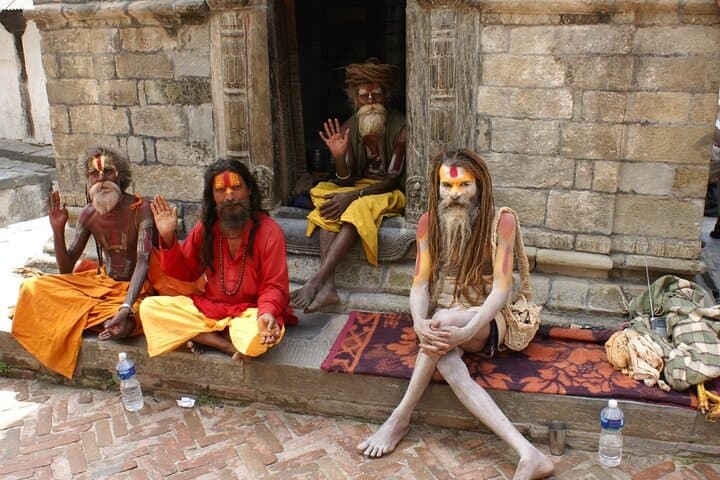
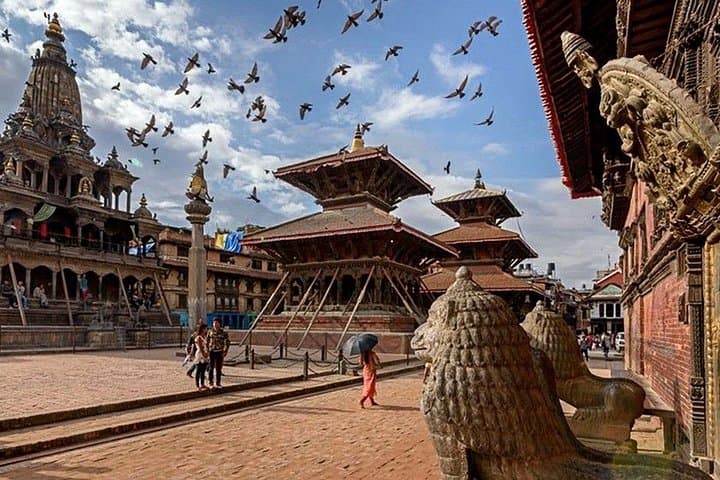
These four stops trace Kathmandu Valley’s cultural spine. Swayambhunath and Boudhanath are living Buddhist centers whose stupas date to medieval rededications atop much older sacred mounds; Pashupatinath sits on the Bagmati River and remains the most important Shaiva shrine in Nepal; Patan Durbar Square preserves Newar palace architecture from the Malla period. Geologically the valley is a bowl of lacustrine sediments laid down after an ancient lake drained, which is why temples and courtyards cluster on compact, walkable terraces.
Expect a mix of short climbs, paved courtyards, and busy streets. You’ll move between sites by private vehicle with several hour-long stops for photos, museum visits, and circumambulation. Respect is practical here: cover shoulders and knees at temples, keep voices low near shrines, and follow your guide at the cremation ghats — photography is restricted in some areas.
Practical: start early to avoid peak traffic, carry a refillable water bottle (the tour supplies bottled water), and bring comfortable shoes and a light layer for hilltop breezes. Sample street bites between stops — spicy momos and sel roti are quick options — but avoid tap water. With a private guide you’ll cover ground efficiently and leave with a compact primer on Kathmandu’s living heritage.
easy.
5–7 hours.
Suitable for most fitness levels; expect short uphill walks and stairs at Swayambhunath and temple complexes.
Some sites (like Patan Museum) include admission; confirm with your operator—entrance fees may be listed separately on booking pages.
Yes—guides usually allow short street-food stops; stick to cooked items like momos and bottled drinks to avoid stomach issues.
Photography rules vary—Boudhanath and Swayambhunath permit photos of exteriors and circumambulation, but Pashupatinath’s cremation ghats restrict cameras; always follow your guide’s instructions.
The route involves stairs and uneven ground; while vehicle transport reduces walking, full accessibility cannot be guaranteed—discuss needs with the operator before booking.
Kathmandu Valley’s core sites reflect centuries of Newar craftsmanship and medieval Malla patronage; many current temple layouts date to post-12th-century rebuilds after earthquakes.
High visitor numbers strain fragile monuments and local waste systems—use designated paths, avoid feeding wildlife, and prefer refillable bottles to reduce plastic.
Premier Adventure & Holidays operates guided outdoor trips and adventures with an emphasis on safety, stewardship, and memorable experiences.
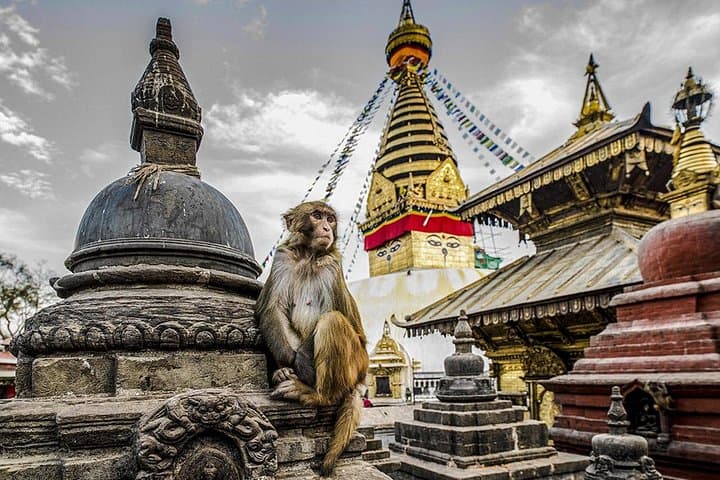
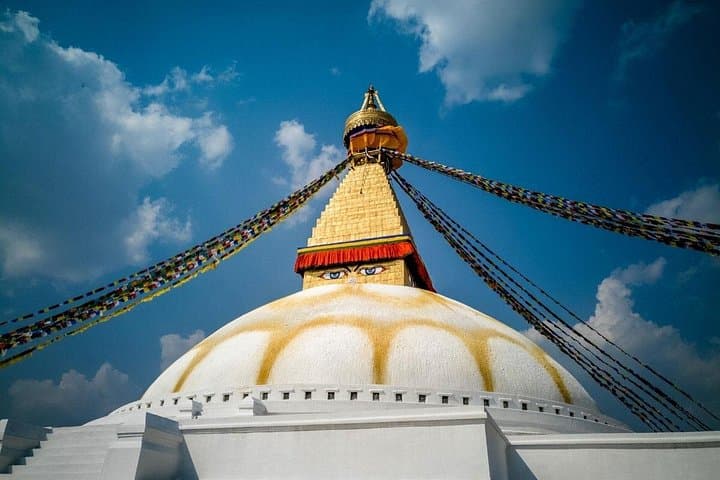
You step off the air-conditioned vehicle onto a wind-scoured terrace and the city opens: prayer flags snap, kites wheel above dusty rooftops, and a troop of macaques inspects a low wall. From the hilltop at Swayambhunath the valley spills away — patchwork neighborhoods ringed by the lower Mahabharat foothills — and your guide points to the first white dome you’ll visit later, Boudhanath, its massive mandala catching the late light.
You step off the air-conditioned vehicle onto a wind-scoured terrace and the city opens: prayer flags snap, kites wheel above dusty rooftops, and a troop of macaques inspects a low wall. From the hilltop at Swayambhunath the valley spills away — patchwork neighborhoods ringed by the lower Mahabharat foothills — and your guide points to the first white dome you’ll visit later, Boudhanath, its massive mandala catching the late light.
These four stops trace Kathmandu Valley’s cultural spine. Swayambhunath and Boudhanath are living Buddhist centers whose stupas date to medieval rededications atop much older sacred mounds; Pashupatinath sits on the Bagmati River and remains the most important Shaiva shrine in Nepal; Patan Durbar Square preserves Newar palace architecture from the Malla period. Geologically the valley is a bowl of lacustrine sediments laid down after an ancient lake drained, which is why temples and courtyards cluster on compact, walkable terraces.
Expect a mix of short climbs, paved courtyards, and busy streets. You’ll move between sites by private vehicle with several hour-long stops for photos, museum visits, and circumambulation. Respect is practical here: cover shoulders and knees at temples, keep voices low near shrines, and follow your guide at the cremation ghats — photography is restricted in some areas.
Practical: start early to avoid peak traffic, carry a refillable water bottle (the tour supplies bottled water), and bring comfortable shoes and a light layer for hilltop breezes. Sample street bites between stops — spicy momos and sel roti are quick options — but avoid tap water. With a private guide you’ll cover ground efficiently and leave with a compact primer on Kathmandu’s living heritage.