THE ADVENTURE COLLECTIVE® · Independent discovery and booking for outdoor travel

Spend a private day navigating Kathmandu’s religious heart: hilltop Swayambhunath, the carved courts of Patan, river‑side Pashupatinath and the vast Boudhanath stupa. This guided tour mixes history, ritual observation and cityscapes with practical transport and entry fees included.
Spend a private day navigating Kathmandu’s religious heart: hilltop Swayambhunath, the carved courts of Patan, river‑side Pashupatinath and the vast Boudhanath stupa. This guided tour mixes history, ritual observation and cityscapes with practical transport and entry fees included.
You climb a long stone stair, the city unfolding below like a lived-in map: prayer flags snap at the wind, a troop of macaques inspects a tourist’s camera, and the valley air is thin and bright at roughly 1,400 meters. This private full‑day heritage tour moves through Kathmandu’s most charged sites—Swayambhunath’s hilltop stupa, the carved courtyards of Patan Durbar Square, the river-edge rituals of Pashupatinath, and the broad mandala of Boudhanath.
Verified experiences and guided adventures in the surrounding area.
Operated by Nepal Climbing Adventure · Kathmandu, Bagmati Province
You climb a long stone stair, the city unfolding below like a lived-in map: prayer flags snap at the wind, a troop of macaques inspects a tourist’s camera, and the valley air is thin and bright at roughly 1,400 meters. This private full‑day heritage tour moves through Kathmandu’s most charged sites—Swayambhunath’s hilltop stupa, the carved courtyards of Patan Durbar Square, the river-edge rituals of Pashupatinath, and the broad mandala of Boudhanath.
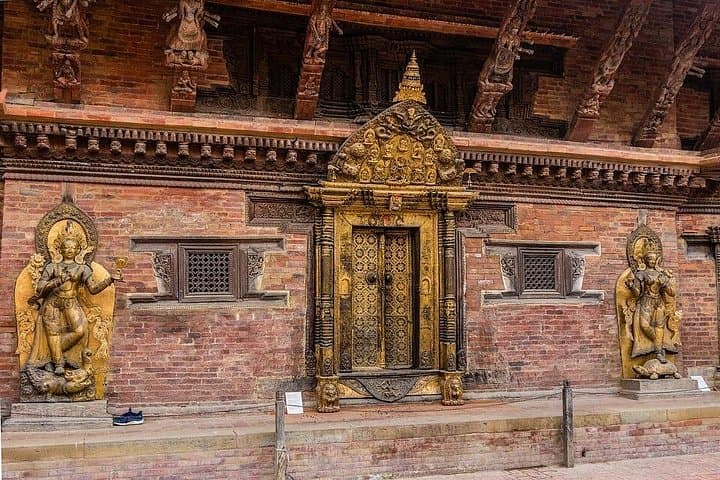
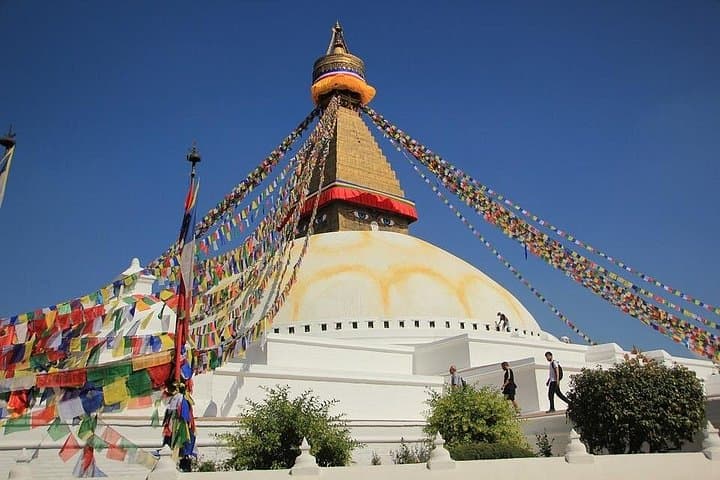
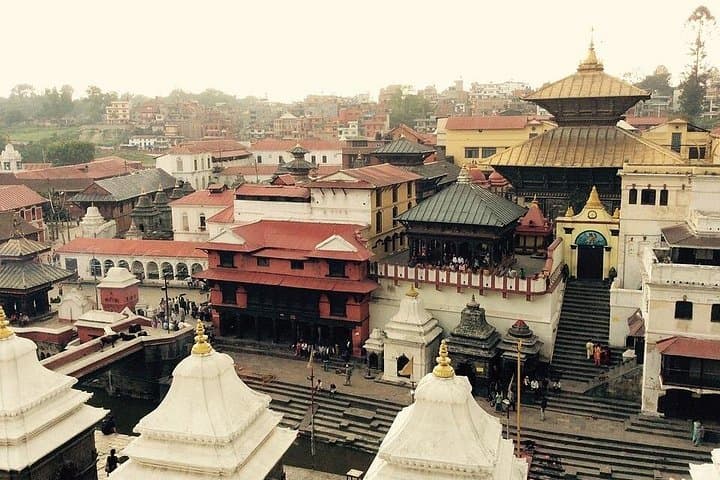
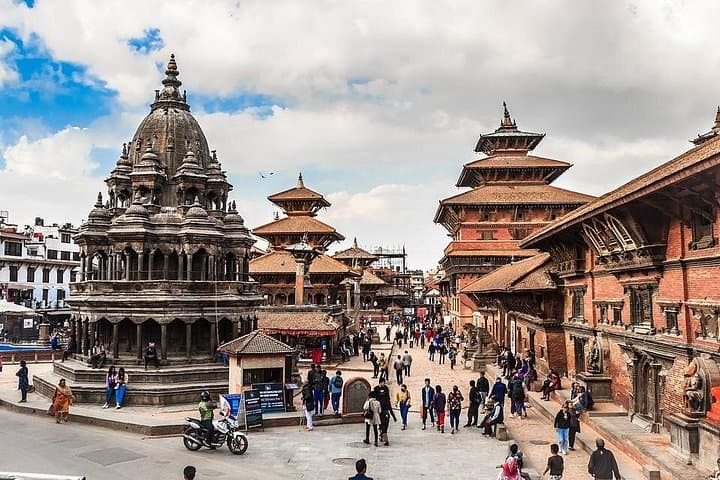
Kathmandu Valley is an ancient sedimentary basin uplifted by the collision of the Indian and Eurasian plates; the layered hills and shallow plains preserve centuries of human settlement. Swayambhu’s stupa dates back many centuries and watches over the city; Patan showcases Newar woodcarving and medieval palace planning; Pashupatinath remains the principal Shaiva temple where life and death are visibly intertwined on the Bagmati’s banks; Boudhanath’s hemispherical stupa anchors the Tibetan Buddhist community and offers calm rooftop views at lunch.
Expect irregular stone steps, narrow alleys, and bustling squares—foot travel and short climbs make the day active but accessible. Guides will explain iconography, appropriate behavior, and photography limits (particularly at Pashupatinath). Carry cash for small temple donations, bring sun protection, and dress modestly—shoulders and knees covered at religious sites. Start early to avoid midday heat and urban traffic; this itinerary includes admission and private transport between sites, with time to pause at a rooftop café overlooking Boudha. Move respectfully: these are living religious spaces where observation, not intrusion, is the point.
easy.
7–8 hours.
Suitable for travelers who can handle several hours on foot and a number of stone steps; no special fitness required.
Yes — this private tour includes site entry fees and private transportation between stops, as stated in the itinerary.
Lunch is typically at a rooftop restaurant near Boudhanath and is included or arranged depending on the operator—confirm at booking for dietary needs.
You may observe rites from designated viewpoints; direct photography and close access near cremation platforms are restricted and should be treated with sensitivity.
Yes — the tour is flagged suitable for all fitness levels and the operator offers infant seats for private transport; keep in mind the stairs and busy areas.
Kathmandu Valley has been a crossroads of trade and religion for millennia; Newar craftsmen shaped the valley’s distinctive palaces and temples while Buddhist and Hindu traditions developed side by side.
The Bagmati River and urban heritage face pollution and crowding; travel with a local guide, avoid feeding wildlife, and support small, local businesses to reduce impact.
Nepal Climbing Adventure operates guided outdoor trips and adventures with an emphasis on safety, stewardship, and memorable experiences.
You climb a long stone stair, the city unfolding below like a lived-in map: prayer flags snap at the wind, a troop of macaques inspects a tourist’s camera, and the valley air is thin and bright at roughly 1,400 meters. This private full‑day heritage tour moves through Kathmandu’s most charged sites—Swayambhunath’s hilltop stupa, the carved courtyards of Patan Durbar Square, the river-edge rituals of Pashupatinath, and the broad mandala of Boudhanath.
You climb a long stone stair, the city unfolding below like a lived-in map: prayer flags snap at the wind, a troop of macaques inspects a tourist’s camera, and the valley air is thin and bright at roughly 1,400 meters. This private full‑day heritage tour moves through Kathmandu’s most charged sites—Swayambhunath’s hilltop stupa, the carved courtyards of Patan Durbar Square, the river-edge rituals of Pashupatinath, and the broad mandala of Boudhanath.
Kathmandu Valley is an ancient sedimentary basin uplifted by the collision of the Indian and Eurasian plates; the layered hills and shallow plains preserve centuries of human settlement. Swayambhu’s stupa dates back many centuries and watches over the city; Patan showcases Newar woodcarving and medieval palace planning; Pashupatinath remains the principal Shaiva temple where life and death are visibly intertwined on the Bagmati’s banks; Boudhanath’s hemispherical stupa anchors the Tibetan Buddhist community and offers calm rooftop views at lunch.
Expect irregular stone steps, narrow alleys, and bustling squares—foot travel and short climbs make the day active but accessible. Guides will explain iconography, appropriate behavior, and photography limits (particularly at Pashupatinath). Carry cash for small temple donations, bring sun protection, and dress modestly—shoulders and knees covered at religious sites. Start early to avoid midday heat and urban traffic; this itinerary includes admission and private transport between sites, with time to pause at a rooftop café overlooking Boudha. Move respectfully: these are living religious spaces where observation, not intrusion, is the point.