THE ADVENTURE COLLECTIVE® · Independent discovery and booking for outdoor travel

A compact 7–10 day circuit through Nepal’s cultural heartlands, this tour links Kathmandu’s historic squares to Pokhara’s lakes and Lumbini’s sacred groves. Ideal for travelers seeking a paced cultural immersion with scenic hill vistas.
A compact 7–10 day circuit through Nepal’s cultural heartlands, this tour links Kathmandu’s historic squares to Pokhara’s lakes and Lumbini’s sacred groves. Ideal for travelers seeking a paced cultural immersion with scenic hill vistas.
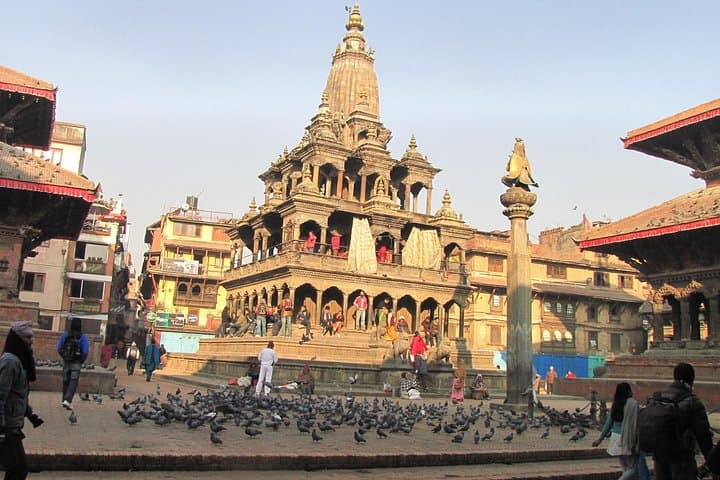
Arrive into Kathmandu and the city opens like a living map: narrow lanes, temple roofs catching late sun, and the constant hum of motorcycles threading through century-old squares.
Verified experiences and guided adventures in the surrounding area.
Operated by Alliance Adventure Pvt. Ltd · Kathmandu, Bagmati Province
Arrive into Kathmandu and the city opens like a living map: narrow lanes, temple roofs catching late sun, and the constant hum of motorcycles threading through century-old squares.
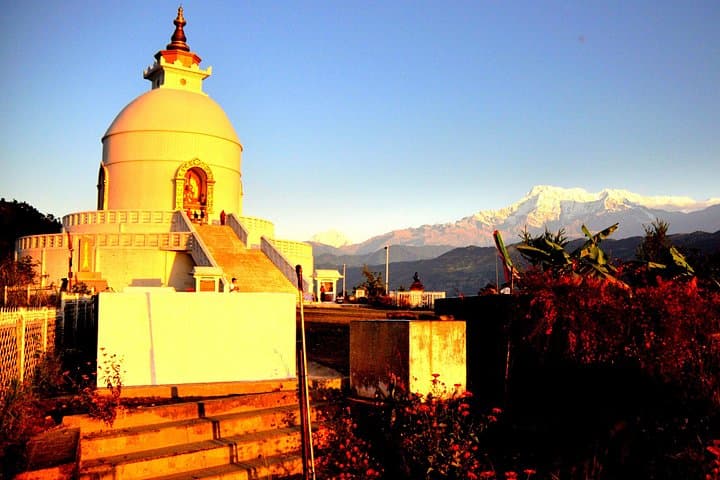
This 7–10 day circuit moves from Kathmandu’s Durbar Squares and Pashupatinath to the calmer lakeside terraces of Pokhara and the quiet pilgrimage fields of Lumbini, the Buddha’s birthplace. Along the way travelers encounter layered histories—Newar palace architecture carved with centuries of local craft, Buddhist stupa geometry shaped by Himalayan trade routes, and Terai plains that once funneled pilgrims and merchants between India and Tibet.
Geology shifts with the itinerary: Kathmandu sits on an elevated valley rim at roughly 1,300 m, flanked by foothills carved by monsoon rains; Pokhara drops to about 830 m with glacial-fed lakes and panoramic views of the Annapurna range; Lumbini rests on the flat Terai plain, where sedimentary soils give way to rice paddies and sacred gardens.
Culturally, expect a blend of ritual and everyday life—priests at shrines, saffron-clad monks in courtyards, and vendors calling out for tea and momo. Local guides explain access rules (some temples restrict non-Hindus) and the etiquette of photography and dress.
Practical guidance: pack layered clothing for valley temperature swings, comfortable walking shoes for uneven temple courtyards and cobbled streets, and a small daypack for water and permits. Plan arrival and internal flights with buffer time; allow at least two nights in Pokhara for sunrise viewpoints and one full day in Lumbini to move at a contemplative pace. Respect conservation signage and temple rules to keep both cultural sites and fragile landscapes intact.
easy.
7–10 days.
Light walking fitness; able to handle multiple short walking tours, stairs and uneven surfaces over consecutive days.
Most nationalities require a tourist visa for Nepal obtained on arrival or in advance—check current embassy guidance and have passport photos and payment ready.
Short domestic flights are common and efficient but can be delayed by mountain weather; allow buffer days between connections.
The tour involves walking on uneven surfaces and stairs at temples; some sites are wheelchair accessible but others are not—consult the operator for specific accommodations.
Routine vaccinations should be current; consider Hepatitis A and Typhoid. Bring anti-diarrheal meds and drink bottled or boiled water as advised.
The route links ancient Newar urban centers developed over centuries with Lumbini, a key Buddhist pilgrimage site dating to around the 6th century BCE.
Visitor pressure on heritage sites and lakefronts is managed through entry fees and local rules—respect restricted zones, avoid single-use plastics, and follow guide instructions.
Alliance Adventure Pvt. Ltd operates guided outdoor trips and adventures with an emphasis on safety, stewardship, and memorable experiences.
Arrive into Kathmandu and the city opens like a living map: narrow lanes, temple roofs catching late sun, and the constant hum of motorcycles threading through century-old squares.
Arrive into Kathmandu and the city opens like a living map: narrow lanes, temple roofs catching late sun, and the constant hum of motorcycles threading through century-old squares.
This 7–10 day circuit moves from Kathmandu’s Durbar Squares and Pashupatinath to the calmer lakeside terraces of Pokhara and the quiet pilgrimage fields of Lumbini, the Buddha’s birthplace. Along the way travelers encounter layered histories—Newar palace architecture carved with centuries of local craft, Buddhist stupa geometry shaped by Himalayan trade routes, and Terai plains that once funneled pilgrims and merchants between India and Tibet.
Geology shifts with the itinerary: Kathmandu sits on an elevated valley rim at roughly 1,300 m, flanked by foothills carved by monsoon rains; Pokhara drops to about 830 m with glacial-fed lakes and panoramic views of the Annapurna range; Lumbini rests on the flat Terai plain, where sedimentary soils give way to rice paddies and sacred gardens.
Culturally, expect a blend of ritual and everyday life—priests at shrines, saffron-clad monks in courtyards, and vendors calling out for tea and momo. Local guides explain access rules (some temples restrict non-Hindus) and the etiquette of photography and dress.
Practical guidance: pack layered clothing for valley temperature swings, comfortable walking shoes for uneven temple courtyards and cobbled streets, and a small daypack for water and permits. Plan arrival and internal flights with buffer time; allow at least two nights in Pokhara for sunrise viewpoints and one full day in Lumbini to move at a contemplative pace. Respect conservation signage and temple rules to keep both cultural sites and fragile landscapes intact.