THE ADVENTURE COLLECTIVE® · Independent discovery and booking for outdoor travel

Spend a single full day moving through seven UNESCO sites in the Kathmandu Valley—temples, palaces and stupas that reveal 2,000 years of history. This private, guided loop balances cultural immersion with practical logistics for a long but accessible day of exploration.
Spend a single full day moving through seven UNESCO sites in the Kathmandu Valley—temples, palaces and stupas that reveal 2,000 years of history. This private, guided loop balances cultural immersion with practical logistics for a long but accessible day of exploration.
You step out of a narrow alley into sunlight and a plaza where prayer flags flutter across timeworn stone. The day begins with the low hum of temple bells and vendors arranging brassware; within hours you'll move from hilltop stupas down to river-side cremation ghats, tracing the living history of the Kathmandu Valley.
Verified experiences and guided adventures in the surrounding area.
Operated by Himal Tourism Pvt.Ltd · Kathmandu, Bagmati Province
You step out of a narrow alley into sunlight and a plaza where prayer flags flutter across timeworn stone. The day begins with the low hum of temple bells and vendors arranging brassware; within hours you'll move from hilltop stupas down to river-side cremation ghats, tracing the living history of the Kathmandu Valley.
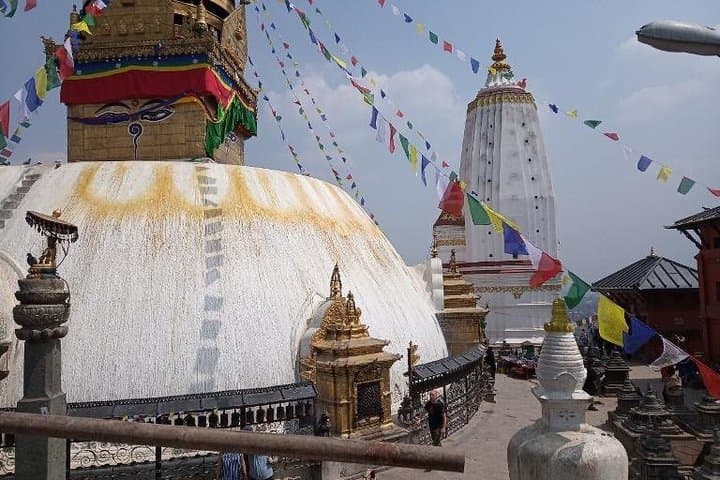
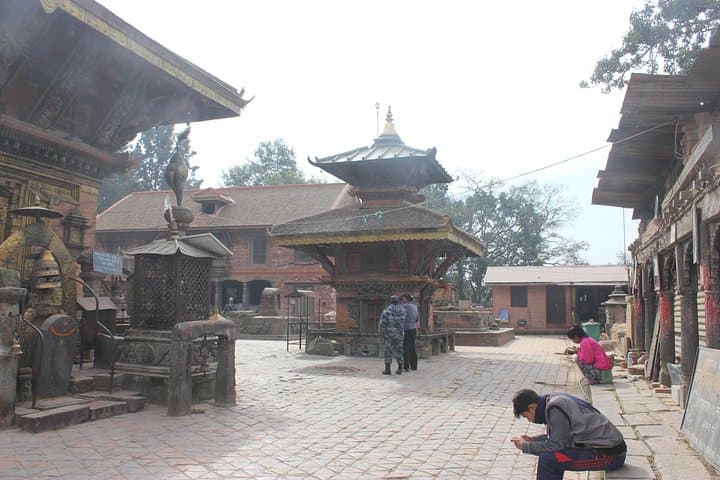
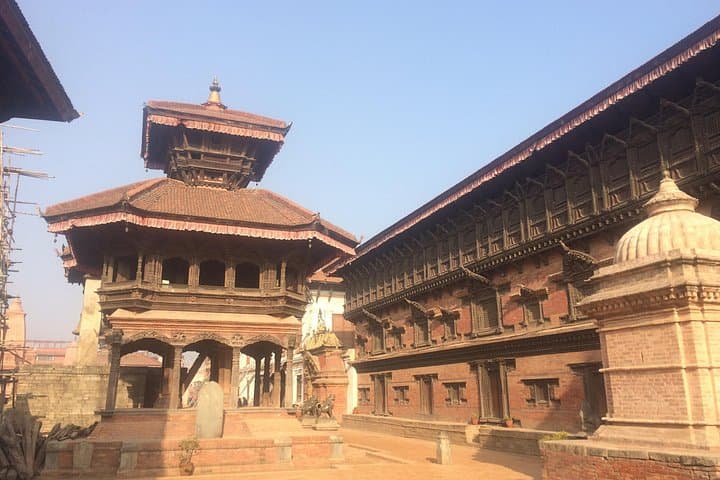
This full-day, private loop hits seven UNESCO sites that document the valley's layered past: Licchavi-era shrines, the ornate woodcarving of Malla palaces, Tibetan-influenced stupas, and riverside Hindu rites. Geologically the valley is a bowl of alluvial deposits ringed by low hills — the vantage from Swayambhunath makes the human pattern of cities visible against that simple landscape. Culturally, Newar artisans and Tibetan exiles shape everyday life; expect to see thanka painters in Changu Narayan and butter lamps at Boudhanath.
Practical guidance: this is an 11-hour day with frequent short walks, stair climbs and crowded plazas. Carry a refillable water bottle, wear shoes that handle uneven stone and be prepared to remove shoes at temples. Photography is common but restricted in some sanctums — follow your guide's directions at Pashupatinath and respect ritual spaces. Midday sun can be strong; plan breaks at cafés near Boudha and Patan museum visits to rest.
Timing matters: start early to beat the busiest hours at Bhaktapur and Kathmandu Durbar; late afternoon light is best for panoramic shots from Swayambhu. The experience is equal parts architecture and ceremony — expect sensory contrasts: incense, hammered metal, ringing bells, and the soft rotation of prayer wheels.
easy.
11 hours.
Light-to-moderate: comfortable walking ability and stair-climbing for intermittent periods throughout the day
The tour is a full day (about 11 hours) and visits seven UNESCO sites across the Kathmandu Valley, including Changu Narayan, Bhaktapur, Patan, Pashupatinath, Boudhanath, Kathmandu Durbar Square and Swayambhunath.
It’s generally accessible for most ages but involves stairs and uneven surfaces; those with significant mobility limitations should check specific site accessibility and notify the operator in advance.
Yes—this private tour typically includes a guide, transportation and entrance fees as part of the package, but confirm at booking for any recent policy changes.
Dress modestly: cover shoulders and knees; remove hats and shoes when required and follow any local etiquette your guide explains.
Kathmandu Valley was a crossroads of Himalayan and South Asian cultures; Licchavi and Malla dynasties shaped the palaces, temples and Newar art you see today.
Visitor pressure affects fragile monuments—stay on marked paths, avoid touching carvings, and reduce plastic waste; local groups work to balance tourism with heritage preservation.
Himal Tourism Pvt.Ltd operates guided outdoor trips and adventures with an emphasis on safety, stewardship, and memorable experiences.
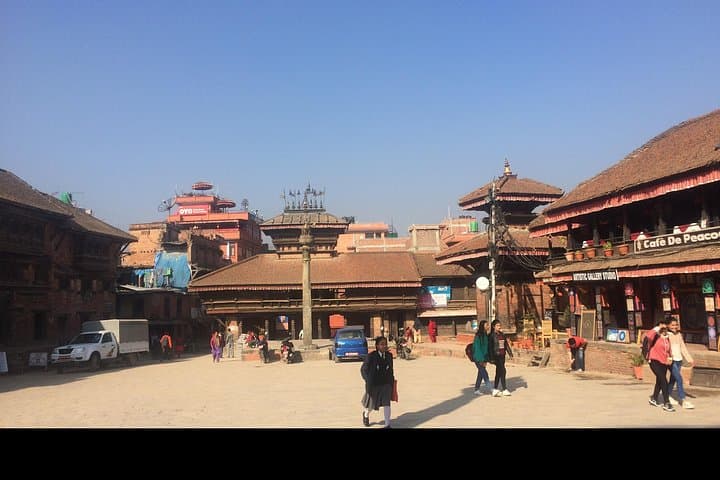
You step out of a narrow alley into sunlight and a plaza where prayer flags flutter across timeworn stone. The day begins with the low hum of temple bells and vendors arranging brassware; within hours you'll move from hilltop stupas down to river-side cremation ghats, tracing the living history of the Kathmandu Valley.
You step out of a narrow alley into sunlight and a plaza where prayer flags flutter across timeworn stone. The day begins with the low hum of temple bells and vendors arranging brassware; within hours you'll move from hilltop stupas down to river-side cremation ghats, tracing the living history of the Kathmandu Valley.
This full-day, private loop hits seven UNESCO sites that document the valley's layered past: Licchavi-era shrines, the ornate woodcarving of Malla palaces, Tibetan-influenced stupas, and riverside Hindu rites. Geologically the valley is a bowl of alluvial deposits ringed by low hills — the vantage from Swayambhunath makes the human pattern of cities visible against that simple landscape. Culturally, Newar artisans and Tibetan exiles shape everyday life; expect to see thanka painters in Changu Narayan and butter lamps at Boudhanath.
Practical guidance: this is an 11-hour day with frequent short walks, stair climbs and crowded plazas. Carry a refillable water bottle, wear shoes that handle uneven stone and be prepared to remove shoes at temples. Photography is common but restricted in some sanctums — follow your guide's directions at Pashupatinath and respect ritual spaces. Midday sun can be strong; plan breaks at cafés near Boudha and Patan museum visits to rest.
Timing matters: start early to beat the busiest hours at Bhaktapur and Kathmandu Durbar; late afternoon light is best for panoramic shots from Swayambhu. The experience is equal parts architecture and ceremony — expect sensory contrasts: incense, hammered metal, ringing bells, and the soft rotation of prayer wheels.