THE ADVENTURE COLLECTIVE® · Independent discovery and booking for outdoor travel

Explore Kathmandu’s UNESCO heritage squares, hilltop stupas and a Nagarkot sunrise on this 5-day cultural tour. Expect easy-paced days, short drives, and layered mountain mornings.
Explore Kathmandu’s UNESCO heritage squares, hilltop stupas and a Nagarkot sunrise on this 5-day cultural tour. Expect easy-paced days, short drives, and layered mountain mornings.
You step out onto a narrow Kathmandu lane at dawn and the city meets you in layers: traders setting up stalls, temple bells testing the air, and the distant silhouette of the Himalaya holding its quiet claim to the north.
Verified experiences and guided adventures in the surrounding area.
Operated by Asian Heritage Treks and Travels · Kathmandu, Bagmati Province
You step out onto a narrow Kathmandu lane at dawn and the city meets you in layers: traders setting up stalls, temple bells testing the air, and the distant silhouette of the Himalaya holding its quiet claim to the north.
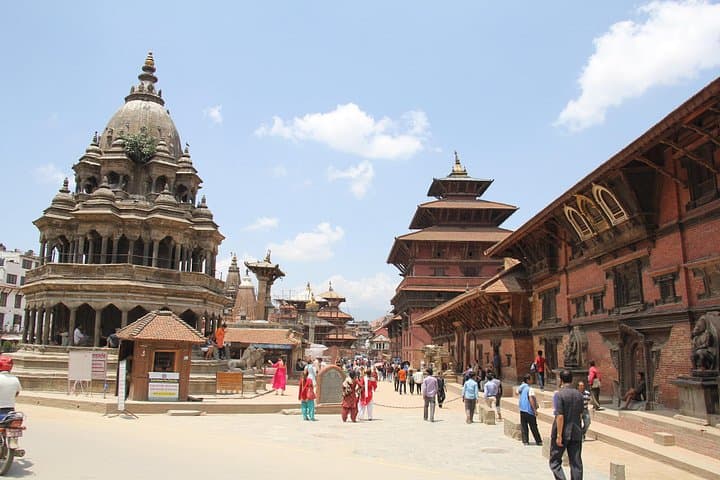
This five-day itinerary threads Kathmandu’s living history with a short mountain interlude in Nagarkot. Over centuries the valley served as the political and artistic heart of the Malla kingdoms; Durbar Squares in Kathmandu, Patan and Bhaktapur still display their fine woodcarving and courtyard palaces. Geologically, the valley sits in a rain-shadow basin under the rising thrust of the Himalayan ranges, which give Nagarkot its dramatic sunrises and fractured, terraced slopes.
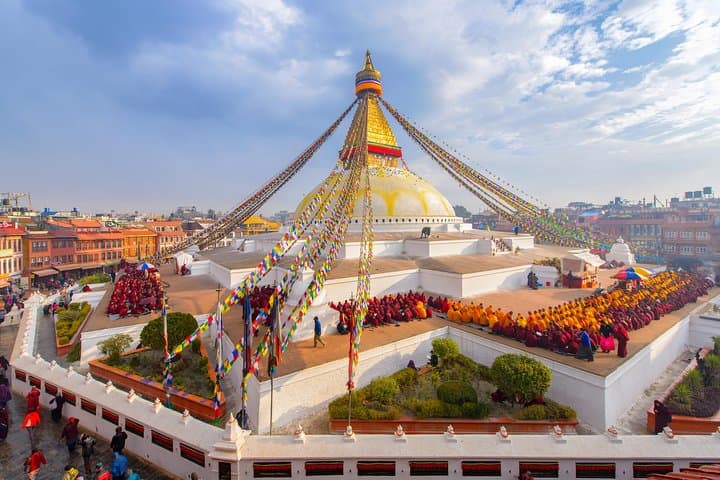
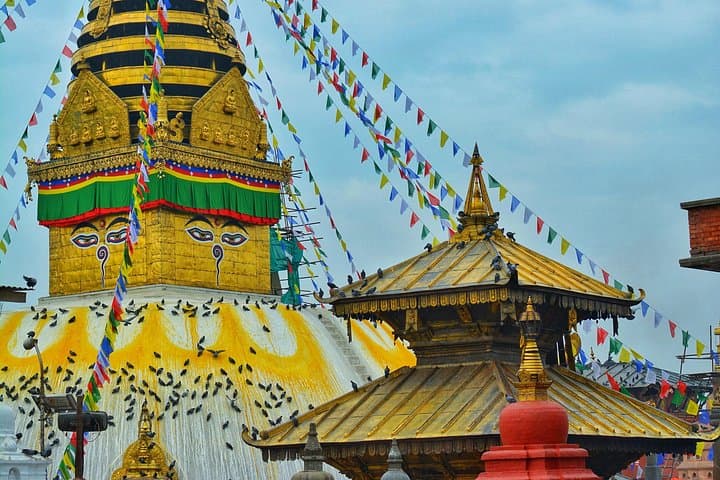
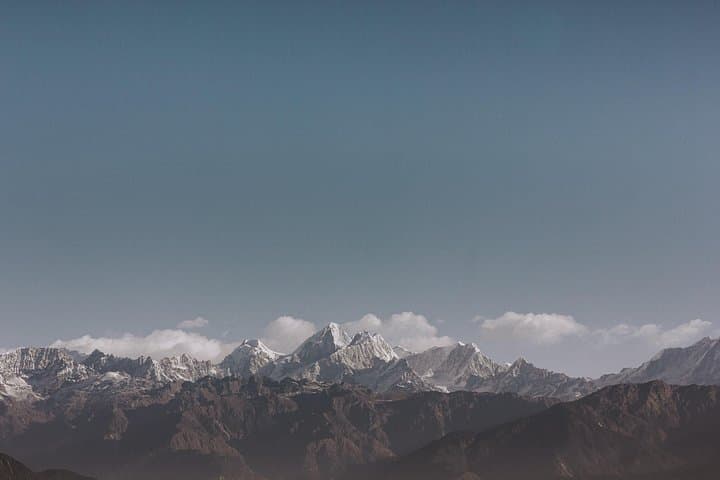
You’ll move between busy temple precincts—Swayambhunath’s prayer flags snapping like conversation—and quieter ritual spaces at Pashupatinath and Boudhanath where pilgrims spin prayer wheels. Nagarkot’s ridgeline dares the cloudline: on a clear morning, the ranges push the horizon forward and the first light pins ridges in relief.
Practical edge: plan the Nagarkot sunrise for one early morning, bring layered clothing for 1,200–2,000 m temperature swings, carry small-denomination Nepali rupees for shrine donations and local stalls, and allow time to walk uneven stone courtyards. Your guide will handle park entries and logistics; expect easy-paced days with short drives between sites and plenty of standing and light walking. For comfort, wear supportive walking shoes, pack a reusable water bottle, and aim to arrive with a day to recover from long-haul travel before the main sightseeing.
easy.
5 days.
Suitable for travelers in average fitness—short periods of walking on uneven stone and stairs; no strenuous hiking required.
Most sites are below 2,000 m (Kathmandu ~1,400 m, Nagarkot ~1,950 m). Symptoms are uncommon, but rest on arrival, hydrate, and avoid heavy exertion the first day.
Guided visits and transport are included; some site-specific entrance fees or donations may be additional—confirm with the operator when booking.
Parts of the tour (vehicle transport and some temple perimeters) are accessible, but many heritage sites have steps and uneven surfaces; check specific needs with the operator in advance.
Autumn (Sept–Nov) and spring (Mar–May) generally offer the clearest skies; winter can be crisp but colder, and monsoon months bring frequent clouds.
Kathmandu Valley was the seat of Newar culture and the Malla kingdoms; its Durbar Squares and temples are central to centuries of Hindu and Buddhist practice and craft traditions.
Tourism pressures and air pollution affect visibility and fragile heritage sites; follow local guidance, minimize single-use plastics, and respect restricted areas.
Asian Heritage Treks and Travels operates guided outdoor trips and adventures with an emphasis on safety, stewardship, and memorable experiences.
You step out onto a narrow Kathmandu lane at dawn and the city meets you in layers: traders setting up stalls, temple bells testing the air, and the distant silhouette of the Himalaya holding its quiet claim to the north.
You step out onto a narrow Kathmandu lane at dawn and the city meets you in layers: traders setting up stalls, temple bells testing the air, and the distant silhouette of the Himalaya holding its quiet claim to the north.
This five-day itinerary threads Kathmandu’s living history with a short mountain interlude in Nagarkot. Over centuries the valley served as the political and artistic heart of the Malla kingdoms; Durbar Squares in Kathmandu, Patan and Bhaktapur still display their fine woodcarving and courtyard palaces. Geologically, the valley sits in a rain-shadow basin under the rising thrust of the Himalayan ranges, which give Nagarkot its dramatic sunrises and fractured, terraced slopes.
You’ll move between busy temple precincts—Swayambhunath’s prayer flags snapping like conversation—and quieter ritual spaces at Pashupatinath and Boudhanath where pilgrims spin prayer wheels. Nagarkot’s ridgeline dares the cloudline: on a clear morning, the ranges push the horizon forward and the first light pins ridges in relief.
Practical edge: plan the Nagarkot sunrise for one early morning, bring layered clothing for 1,200–2,000 m temperature swings, carry small-denomination Nepali rupees for shrine donations and local stalls, and allow time to walk uneven stone courtyards. Your guide will handle park entries and logistics; expect easy-paced days with short drives between sites and plenty of standing and light walking. For comfort, wear supportive walking shoes, pack a reusable water bottle, and aim to arrive with a day to recover from long-haul travel before the main sightseeing.