THE ADVENTURE COLLECTIVE® · Independent discovery and booking for outdoor travel

Two days of concentrated cultural immersion through Kathmandu Valley’s UNESCO sites—Durbar Square, Swayambhunath, Boudhanath, Pashupatinath, Patan and Bhaktapur—with private transport and an English-speaking guide. Expect close cultural encounters, cobbled alleys, and practical tips for temple etiquette and timing.
Two days of concentrated cultural immersion through Kathmandu Valley’s UNESCO sites—Durbar Square, Swayambhunath, Boudhanath, Pashupatinath, Patan and Bhaktapur—with private transport and an English-speaking guide. Expect close cultural encounters, cobbled alleys, and practical tips for temple etiquette and timing.
Morning light cuts across carved eaves as your private vehicle eases into the narrow lanes of central Kathmandu. The city arrives in fragments—prayer flags snapping above a stupa, a monk’s saffron robe in a courtyard, and the distant silhouette of the Himalaya on a clear day. Over two compact days you move through the voices of the valley: royal plazas, stupas, and riverside rites.
Verified experiences and guided adventures in the surrounding area.
Operated by Asian Heritage Treks and Travels · Kathmandu, Bagmati Province
Morning light cuts across carved eaves as your private vehicle eases into the narrow lanes of central Kathmandu. The city arrives in fragments—prayer flags snapping above a stupa, a monk’s saffron robe in a courtyard, and the distant silhouette of the Himalaya on a clear day. Over two compact days you move through the voices of the valley: royal plazas, stupas, and riverside rites.
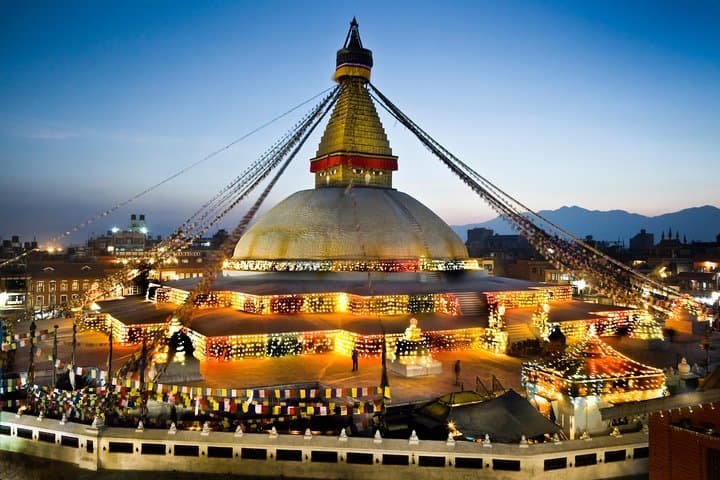
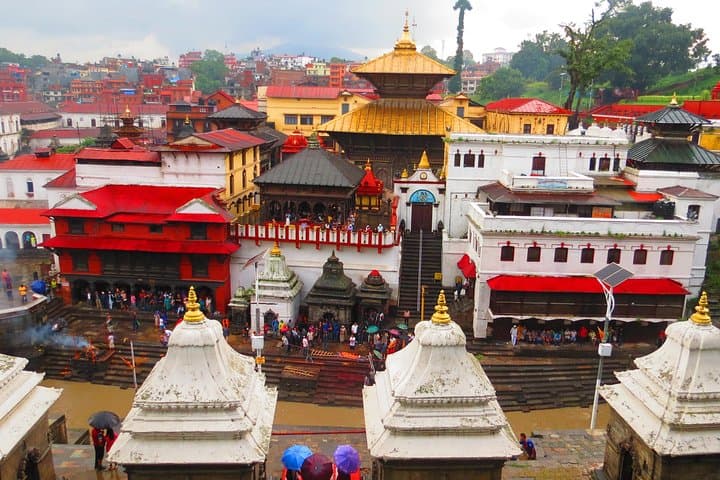
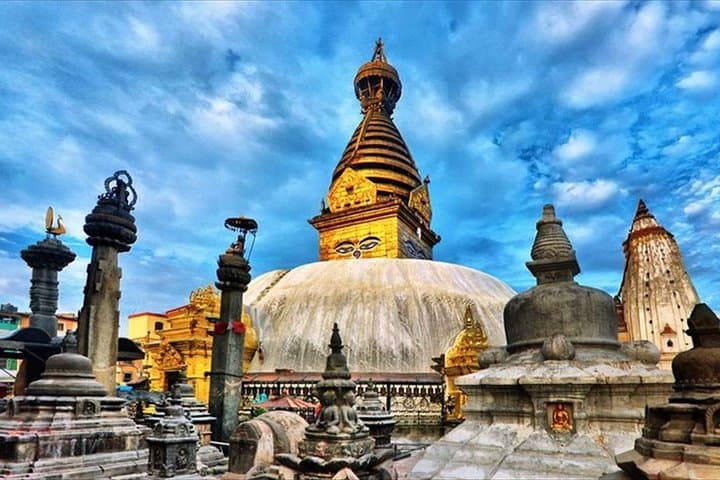
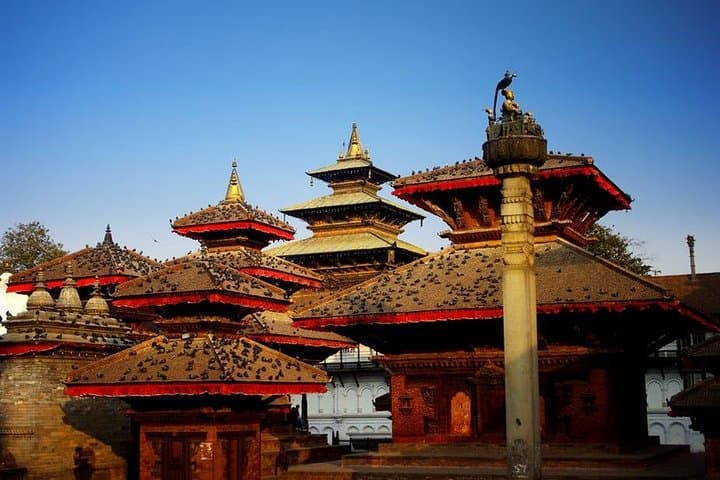
The itinerary stitches together UNESCO sites that define Kathmandu Valley history. Start at Kathmandu Durbar Square to study medieval wood-carving and palace façades, then climb the steps to Swayambhunath for a panoramic view and a living mix of Buddhist and Hindu devotion. Boudhanath’s hemispherical stupa draws Tibetan monks and spinning prayer wheels, while Pashupatinath exposes raw, centuries-old cremation rites along the Bagmati.
Day two turns to the Newar cities—Patan’s refined metalwork and Patan Museum, then Bhaktapur’s Nyatapola Temple and Pottery Square where traditional techniques are still taught. Expect cobbled alleys, intermittent steep steps, and close-up cultural encounters rather than long hikes.
Practical edge: this is a private, English-led tour with all ground transport included and a total duration of roughly 48 hours. Bring modest, layered clothing for temple visits, comfortable walking shoes for uneven stone surfaces, and local cash for museum fees or the optional pottery class. Start early to avoid mid-day crowds and carry water—shops are frequent but queues can form. Bookings require passport details; cancel at least 24 hours ahead for a full refund. This tour is low-impact but culturally sensitive—observe temple etiquette and ask before photographing ceremonies.
easy.
2 days (approx. 48 hours total with 8–10 hours of sightseeing per day).
Suitable for travelers of average fitness; involves walking on uneven surfaces and climbing steps but no technical exertion.
Admission is not included for most sites; bring local currency for individual museum or temple fees as noted in the itinerary.
The tour is classified as easy but includes uneven ground and steps; travelers with significant mobility limitations should check specific site accessibility before booking.
Meals are not listed as included—your guide can recommend nearby restaurants and local dishes during stops.
Bookings require passport details and pickup point information; you’ll receive mobile ticket confirmation and private transport is provided.
Kathmandu Valley was the political and cultural center for the Malla kingdoms; its plazas and temples date back centuries and reflect an interwoven Hindu and Buddhist heritage.
Visitor impact is managed through site preservation and local conservation efforts; stick to marked paths, avoid littering, and support community-run artisans to help sustain traditional crafts.
Asian Heritage Treks and Travels operates guided outdoor trips and adventures with an emphasis on safety, stewardship, and memorable experiences.
Morning light cuts across carved eaves as your private vehicle eases into the narrow lanes of central Kathmandu. The city arrives in fragments—prayer flags snapping above a stupa, a monk’s saffron robe in a courtyard, and the distant silhouette of the Himalaya on a clear day. Over two compact days you move through the voices of the valley: royal plazas, stupas, and riverside rites.
Morning light cuts across carved eaves as your private vehicle eases into the narrow lanes of central Kathmandu. The city arrives in fragments—prayer flags snapping above a stupa, a monk’s saffron robe in a courtyard, and the distant silhouette of the Himalaya on a clear day. Over two compact days you move through the voices of the valley: royal plazas, stupas, and riverside rites.
The itinerary stitches together UNESCO sites that define Kathmandu Valley history. Start at Kathmandu Durbar Square to study medieval wood-carving and palace façades, then climb the steps to Swayambhunath for a panoramic view and a living mix of Buddhist and Hindu devotion. Boudhanath’s hemispherical stupa draws Tibetan monks and spinning prayer wheels, while Pashupatinath exposes raw, centuries-old cremation rites along the Bagmati.
Day two turns to the Newar cities—Patan’s refined metalwork and Patan Museum, then Bhaktapur’s Nyatapola Temple and Pottery Square where traditional techniques are still taught. Expect cobbled alleys, intermittent steep steps, and close-up cultural encounters rather than long hikes.
Practical edge: this is a private, English-led tour with all ground transport included and a total duration of roughly 48 hours. Bring modest, layered clothing for temple visits, comfortable walking shoes for uneven stone surfaces, and local cash for museum fees or the optional pottery class. Start early to avoid mid-day crowds and carry water—shops are frequent but queues can form. Bookings require passport details; cancel at least 24 hours ahead for a full refund. This tour is low-impact but culturally sensitive—observe temple etiquette and ask before photographing ceremonies.