THE ADVENTURE COLLECTIVE® · Independent discovery and booking for outdoor travel

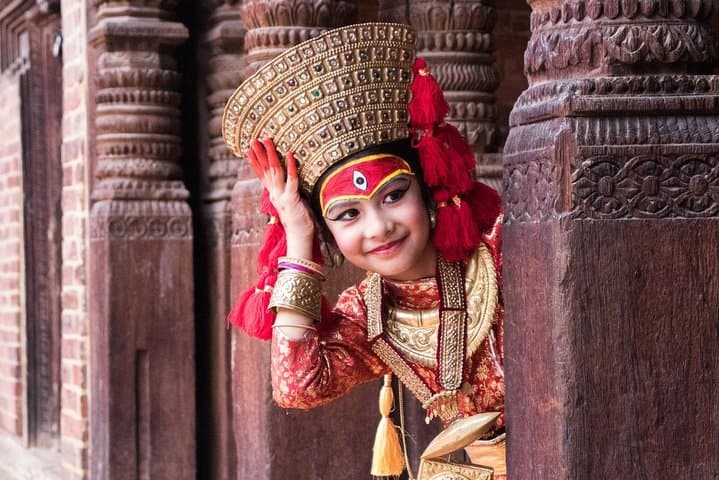
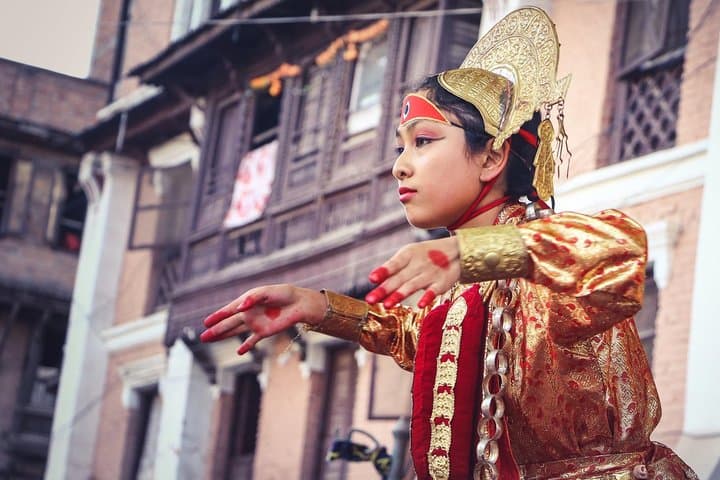
Explore Asan’s market alleys and the UNESCO World Heritage palaces of Kathmandu Durbar Square on a guided half-day walk that includes a chance to see the Living Goddess, Kumari. This compact tour pairs cultural context with practical guidance for first-time visitors.
Explore Asan’s market alleys and the UNESCO World Heritage palaces of Kathmandu Durbar Square on a guided half-day walk that includes a chance to see the Living Goddess, Kumari. This compact tour pairs cultural context with practical guidance for first-time visitors.
A narrow alley in Asan opens like a page of living history: merchants call, spice smoke tangles with incense, and brassware glints between cloth awnings. The group moves at a measured pace, guided, so you catch small details—the carved windows, the rhythm of footfalls on ancient stone—and the city’s human pulse becomes the map.
Verified experiences and guided adventures in the surrounding area.
Operated by Liberty Holidays · Kathmandu, Bagmati Province
A narrow alley in Asan opens like a page of living history: merchants call, spice smoke tangles with incense, and brassware glints between cloth awnings. The group moves at a measured pace, guided, so you catch small details—the carved windows, the rhythm of footfalls on ancient stone—and the city’s human pulse becomes the map.
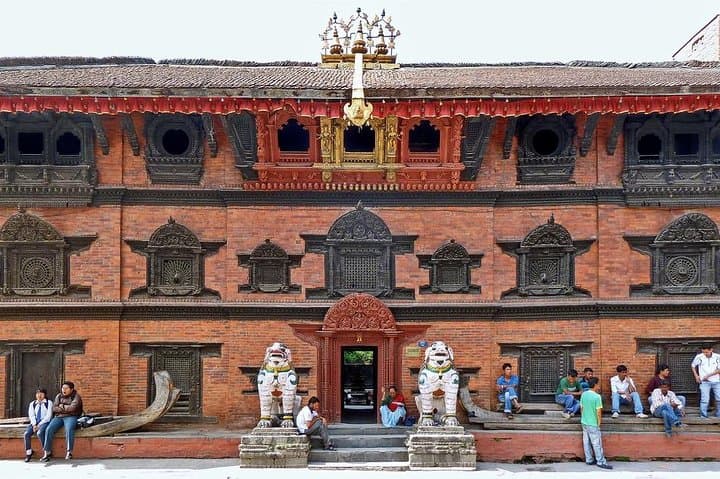
Kathmandu Durbar Square sits at the heart of the Kathmandu Valley, a compact cluster of palaces and temples that grew where trade routes met. The Kumari, the Living Goddess, is a ritual figure rooted in Newar cosmology and medieval court practice; she appears only briefly, so timing matters. The valley itself is a broad basin at the edge of the lower Himalaya, where centuries of brickwork and pagoda roofs record seismic and cultural layers.
Culturally the tour showcases Newari craftsmanship—mask makers in Indra Chowk, spice traders in Asan—and the compact scale makes it easy to read Kathmandu by walking. Guides explain legends like the Malla-era stories of royal patronage and point out restorations after the 2015 earthquakes.
Practical notes: wear sturdy shoes for uneven stone, carry a small bottle of water, and dress modestly for temple courtyards. Photography is usually allowed in public squares but restricted inside some shrines; follow your guide’s instructions. The walk is largely flat but involves narrow crowded lanes—plan for about three hours including hotel pickup. Aim for mid-afternoon to combine cooler light and higher chances of a Kumari sighting.
easy.
3 hours.
Suitable for travelers with basic mobility and the ability to walk and stand for short periods; no technical fitness required.
No guarantee—she appears only briefly and on a set schedule, but the tour times aim to maximize the chance of a sighting.
This tour’s inclusions list entrance fees as included; confirm with your booking voucher and guide at pickup.
Yes—this is a low-impact walking tour, but narrow, crowded lanes and some steps may be challenging for travelers with limited mobility.
Photography rules vary; you may photograph the temple exterior and courtyard, but close-up photos of the Kumari are typically restricted—follow the guide’s directions.
Durbar Square was the royal courtyard of the Malla and Shah dynasties and is a UNESCO World Heritage Site that reflects Newar urban planning and medieval craft traditions.
Conservation work has been ongoing since the 2015 earthquakes; visitors are encouraged to stick to marked paths, avoid touching fragile carvings, and minimize single-use plastics.
Liberty Holidays operates guided outdoor trips and adventures with an emphasis on safety, stewardship, and memorable experiences.
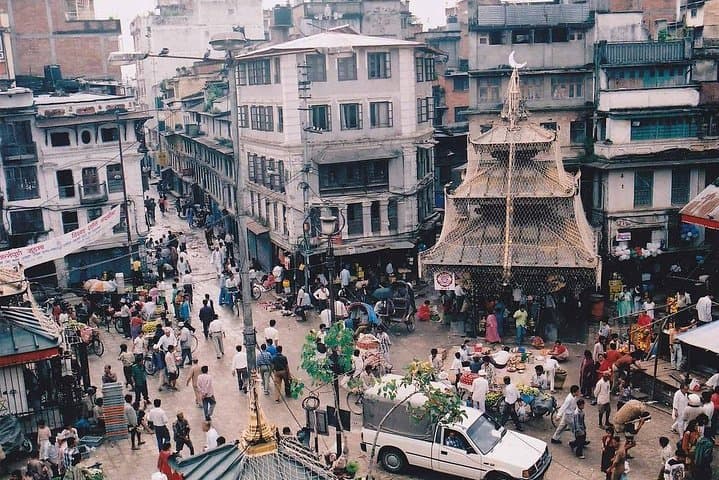
A narrow alley in Asan opens like a page of living history: merchants call, spice smoke tangles with incense, and brassware glints between cloth awnings. The group moves at a measured pace, guided, so you catch small details—the carved windows, the rhythm of footfalls on ancient stone—and the city’s human pulse becomes the map.
A narrow alley in Asan opens like a page of living history: merchants call, spice smoke tangles with incense, and brassware glints between cloth awnings. The group moves at a measured pace, guided, so you catch small details—the carved windows, the rhythm of footfalls on ancient stone—and the city’s human pulse becomes the map.
Kathmandu Durbar Square sits at the heart of the Kathmandu Valley, a compact cluster of palaces and temples that grew where trade routes met. The Kumari, the Living Goddess, is a ritual figure rooted in Newar cosmology and medieval court practice; she appears only briefly, so timing matters. The valley itself is a broad basin at the edge of the lower Himalaya, where centuries of brickwork and pagoda roofs record seismic and cultural layers.
Culturally the tour showcases Newari craftsmanship—mask makers in Indra Chowk, spice traders in Asan—and the compact scale makes it easy to read Kathmandu by walking. Guides explain legends like the Malla-era stories of royal patronage and point out restorations after the 2015 earthquakes.
Practical notes: wear sturdy shoes for uneven stone, carry a small bottle of water, and dress modestly for temple courtyards. Photography is usually allowed in public squares but restricted inside some shrines; follow your guide’s instructions. The walk is largely flat but involves narrow crowded lanes—plan for about three hours including hotel pickup. Aim for mid-afternoon to combine cooler light and higher chances of a Kumari sighting.