THE ADVENTURE COLLECTIVE® · Independent discovery and booking for outdoor travel

Spend a privately guided day driving through Kathmandu’s living museums — Durbar Squares, Swayambhunath, Pashupatinath and Boudhanath. This full-day itinerary pairs efficient transport with on-foot visits to the city’s most important cultural sites.
Spend a privately guided day driving through Kathmandu’s living museums — Durbar Squares, Swayambhunath, Pashupatinath and Boudhanath. This full-day itinerary pairs efficient transport with on-foot visits to the city’s most important cultural sites.
You step out of a private SUV and the city greets you with a wash of incense, honking, and the distant ring of temple bells.
Verified experiences and guided adventures in the surrounding area.
Operated by Arpan Nepal · Kathmandu, Bagmati Province
You step out of a private SUV and the city greets you with a wash of incense, honking, and the distant ring of temple bells.
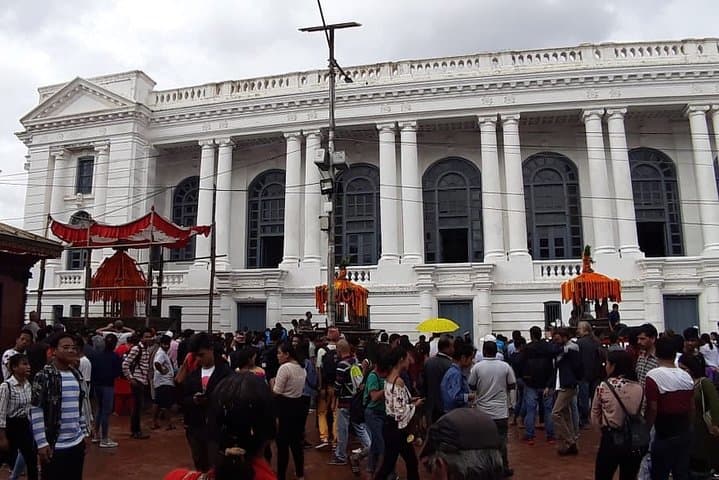
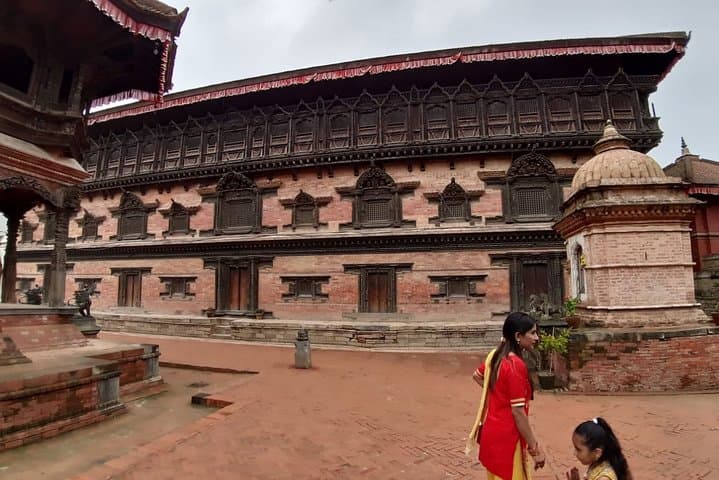
The driver threads through narrow lanes toward Kathmandu Durbar Square, where carved wooden windows and crowded courtyards keep watch over centuries of Newar life. From the hill of Swayambhunath the city unfolds below like a living map; monkeys call the stupa their own and the Bagmati River cuts a determined line through the valley.
Kathmandu’s UNESCO sites reflect layers of history — medieval Malla kingdoms, Newar artisans, and the mingled practice of Hinduism and Buddhism that shapes daily rituals. The valley’s geology is young: a bowl of alluvial plains ringed by the lower Himalayan foothills, which has concentrated human settlement and created the dense urban fabric you’ll navigate.
Expect temple courtyards, lacquered pagodas, and bustling bazaars where spices and prayer flags ripple in the wind. Your guide will read inscriptions, point out iconography, and explain priestly rites at Pashupatinath and the stupas at Boudhanath and Swayambhu.
Practical guidance: the tour covers about 6–7 hours with multiple short walks on uneven stone and steps. Wear supportive walking shoes, carry water and sun protection, and keep a small scarf or shawl for temple entrances. Photography is welcomed in many places but follow your guide’s cues at sacred sites.
A private car keeps the day efficient and cushioned from traffic, letting you stitch together the valley’s highlights without missing context — history, architecture, and the everyday rhythms that make Kathmandu insistently alive.
easy.
6–7 hours.
Light activity with short walks and stair climbs; suitable for most fitness levels.
Yes — the tour includes round-trip hotel pickup and drop-off via private vehicle.
Admission to specific monuments is generally not included; confirm with the operator and carry cash or card for entry tickets.
The listing indicates wheelchair-accessible transport, but many heritage sites have steps—check with the operator in advance for site accessibility details.
An English-speaking tour guide is provided; request other languages when booking if needed.
Kathmandu Valley’s monuments grew under medieval Newar kingdoms; its Durbar Squares and stupas reflect centuries of Hindu-Buddhist civic life and artisanal traditions.
High visitor numbers and urban pollution strain fragile stonework and wood carvings — stick to marked paths, avoid touching carvings, and support local conservation fees when offered.
Arpan Nepal operates guided outdoor trips and adventures with an emphasis on safety, stewardship, and memorable experiences.
You step out of a private SUV and the city greets you with a wash of incense, honking, and the distant ring of temple bells.
You step out of a private SUV and the city greets you with a wash of incense, honking, and the distant ring of temple bells.
The driver threads through narrow lanes toward Kathmandu Durbar Square, where carved wooden windows and crowded courtyards keep watch over centuries of Newar life. From the hill of Swayambhunath the city unfolds below like a living map; monkeys call the stupa their own and the Bagmati River cuts a determined line through the valley.
Kathmandu’s UNESCO sites reflect layers of history — medieval Malla kingdoms, Newar artisans, and the mingled practice of Hinduism and Buddhism that shapes daily rituals. The valley’s geology is young: a bowl of alluvial plains ringed by the lower Himalayan foothills, which has concentrated human settlement and created the dense urban fabric you’ll navigate.
Expect temple courtyards, lacquered pagodas, and bustling bazaars where spices and prayer flags ripple in the wind. Your guide will read inscriptions, point out iconography, and explain priestly rites at Pashupatinath and the stupas at Boudhanath and Swayambhu.
Practical guidance: the tour covers about 6–7 hours with multiple short walks on uneven stone and steps. Wear supportive walking shoes, carry water and sun protection, and keep a small scarf or shawl for temple entrances. Photography is welcomed in many places but follow your guide’s cues at sacred sites.
A private car keeps the day efficient and cushioned from traffic, letting you stitch together the valley’s highlights without missing context — history, architecture, and the everyday rhythms that make Kathmandu insistently alive.