THE ADVENTURE COLLECTIVE® · Independent discovery and booking for outdoor travel

Spend a full day exploring Kathmandu’s UNESCO-listed stupas and palaces, then drive to Nagarkot for a chance at a Himalayan sunset with Everest on the horizon. This private, 7–8 hour tour blends culture, history, and a classic mountain viewpoint.
Spend a full day exploring Kathmandu’s UNESCO-listed stupas and palaces, then drive to Nagarkot for a chance at a Himalayan sunset with Everest on the horizon. This private, 7–8 hour tour blends culture, history, and a classic mountain viewpoint.
You step out of a private vehicle onto a rim of terraced fields as late afternoon light slides over the Kathmandu Valley; the air has a cool, dusty clarity and, on a clear day, a line of Himalayan peaks beyond Nagarkot dares you to look up—Everest standing like a distant, white ridge.
Verified experiences and guided adventures in the surrounding area.
Operated by Swami Narayan Travels Pvt Ltd · Kathmandu, Bagmati Province
You step out of a private vehicle onto a rim of terraced fields as late afternoon light slides over the Kathmandu Valley; the air has a cool, dusty clarity and, on a clear day, a line of Himalayan peaks beyond Nagarkot dares you to look up—Everest standing like a distant, white ridge.
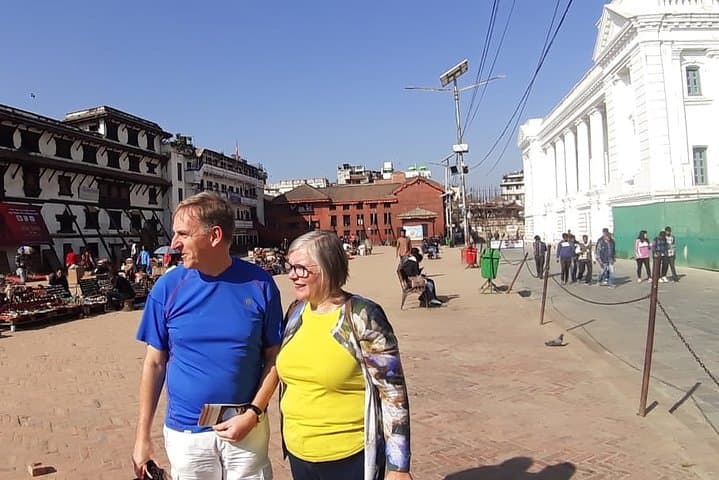
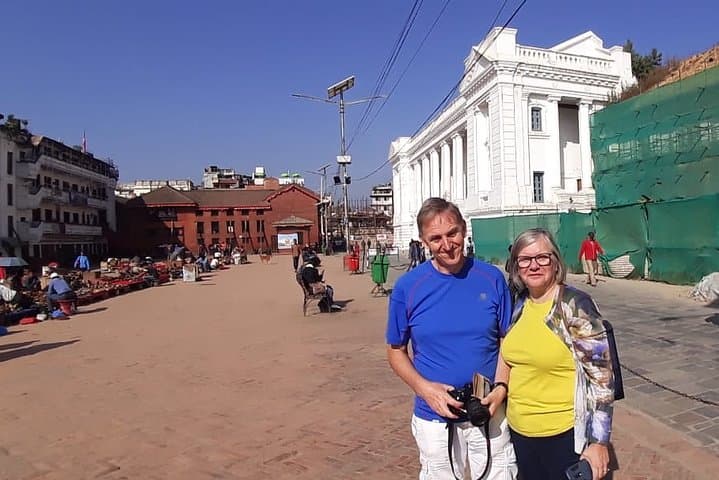
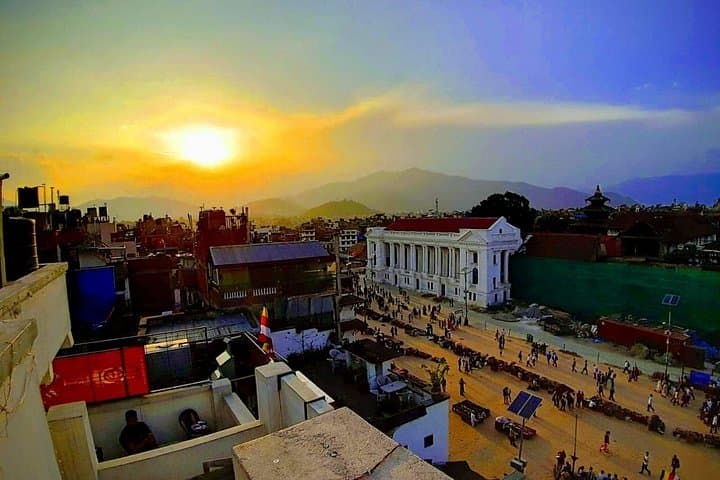
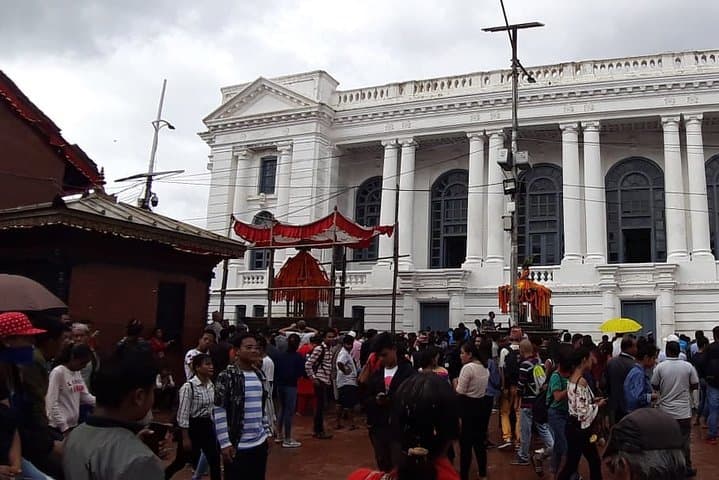
The day begins in Kathmandu’s core: Swayambhunath’s monkey-lined stupa, the carved courtyards of Durbar Square, and the layered stupas of Boudhanath and Pashupatinath. These sites record centuries of Newar craftsmanship, Buddhist and Hindu practice, and the valley’s tectonic story—uplifted land that pushed the Himalaya skyward. Local markets hum with tea vendors and craftsmen; prayer flags snap like small, colorful signals of living tradition.
By late afternoon you climb toward Nagarkot for a sunset that frequently clears the valley haze. The viewpoint faces east; light sculpts the ridgelines, and the Everest massif appears if weather cooperates. The experience is more cultural landscape than alpine climb—a day of short walks, photo stops, and temple visits, not technical challenges.
Practical guidance: book a private transfer for flexibility, allow 7–8 hours for traffic and viewpoints, and expect short, uneven walking surfaces in heritage sites. Carry water, sun protection, and modest clothing for temple entry. If visibility is crucial, choose fall or spring for the clearest mountain views. Keep small Nepali cash for donations and snacks, and give yourself extra time—Kathmandu’s streets have the easy disorder of a city that has welcomed travelers for generations.
easy.
7–8 hours.
Suitable for most fitness levels; involves walking on uneven urban surfaces and short stair climbs.
No; the itinerary involves city walking and short, non-technical strolls at viewpoints suitable for all fitness levels.
This tour typically covers transfers and guiding; check the booking details for any temple or museum entry fees that may be extra.
Visibility depends on season and weather—fall (Sept–Nov) and spring (Mar–May) generally offer the clearest panoramic views.
Yes; the tour includes round-trip private vehicle transfers and hotel pickup/drop-off within Kathmandu.
Kathmandu Valley has been a cultural and trade crossroads for centuries, with Newar city-states producing richly carved palaces and stupas recognized by UNESCO.
Visitors should respect temple protocols, avoid single-use plastic where possible, and support local guides and businesses to help preserve cultural sites.
Swami Narayan Travels Pvt Ltd operates guided outdoor trips and adventures with an emphasis on safety, stewardship, and memorable experiences.
You step out of a private vehicle onto a rim of terraced fields as late afternoon light slides over the Kathmandu Valley; the air has a cool, dusty clarity and, on a clear day, a line of Himalayan peaks beyond Nagarkot dares you to look up—Everest standing like a distant, white ridge.
You step out of a private vehicle onto a rim of terraced fields as late afternoon light slides over the Kathmandu Valley; the air has a cool, dusty clarity and, on a clear day, a line of Himalayan peaks beyond Nagarkot dares you to look up—Everest standing like a distant, white ridge.
The day begins in Kathmandu’s core: Swayambhunath’s monkey-lined stupa, the carved courtyards of Durbar Square, and the layered stupas of Boudhanath and Pashupatinath. These sites record centuries of Newar craftsmanship, Buddhist and Hindu practice, and the valley’s tectonic story—uplifted land that pushed the Himalaya skyward. Local markets hum with tea vendors and craftsmen; prayer flags snap like small, colorful signals of living tradition.
By late afternoon you climb toward Nagarkot for a sunset that frequently clears the valley haze. The viewpoint faces east; light sculpts the ridgelines, and the Everest massif appears if weather cooperates. The experience is more cultural landscape than alpine climb—a day of short walks, photo stops, and temple visits, not technical challenges.
Practical guidance: book a private transfer for flexibility, allow 7–8 hours for traffic and viewpoints, and expect short, uneven walking surfaces in heritage sites. Carry water, sun protection, and modest clothing for temple entry. If visibility is crucial, choose fall or spring for the clearest mountain views. Keep small Nepali cash for donations and snacks, and give yourself extra time—Kathmandu’s streets have the easy disorder of a city that has welcomed travelers for generations.