THE ADVENTURE COLLECTIVE® · Independent discovery and booking for outdoor travel

Walk Thamel’s lanes into Ason Bazaar and taste Kathmandu’s street-food staples—momos, chatamari, sel roti—guided by a local who explains recipes, market rituals and temple-side snacks. This two-hour crawl pairs cultural context with five+ tastings across historic market streets.
Walk Thamel’s lanes into Ason Bazaar and taste Kathmandu’s street-food staples—momos, chatamari, sel roti—guided by a local who explains recipes, market rituals and temple-side snacks. This two-hour crawl pairs cultural context with five+ tastings across historic market streets.
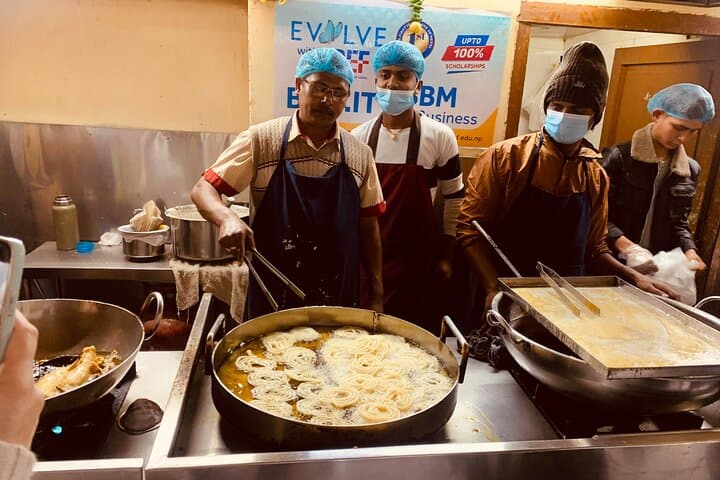
The tour begins in Thamel’s narrow lanes where the air tastes of frying oil and toasted spices, and lanterns sway over alleys that funnel you toward Ason Bazaar. You step from a tourist hub into the older heart of Kathmandu—the city’s market hums, vendors call, and steam rises from momo stalls daring you to take the first bite.
Verified experiences and guided adventures in the surrounding area.
Operated by Mount Glory Treks & Expedition Pvt.Ltd. · Kathmandu, Bagmati Province
The tour begins in Thamel’s narrow lanes where the air tastes of frying oil and toasted spices, and lanterns sway over alleys that funnel you toward Ason Bazaar. You step from a tourist hub into the older heart of Kathmandu—the city’s market hums, vendors call, and steam rises from momo stalls daring you to take the first bite.
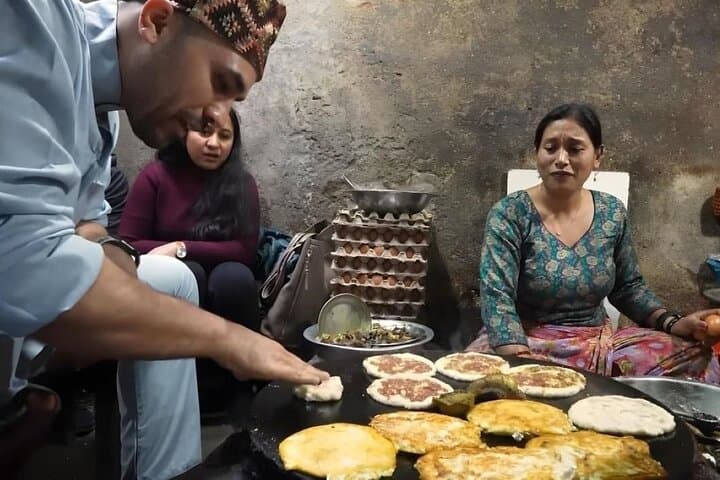
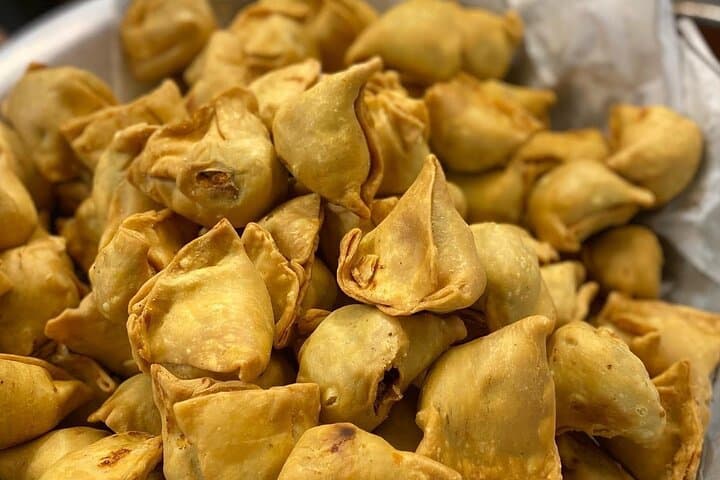
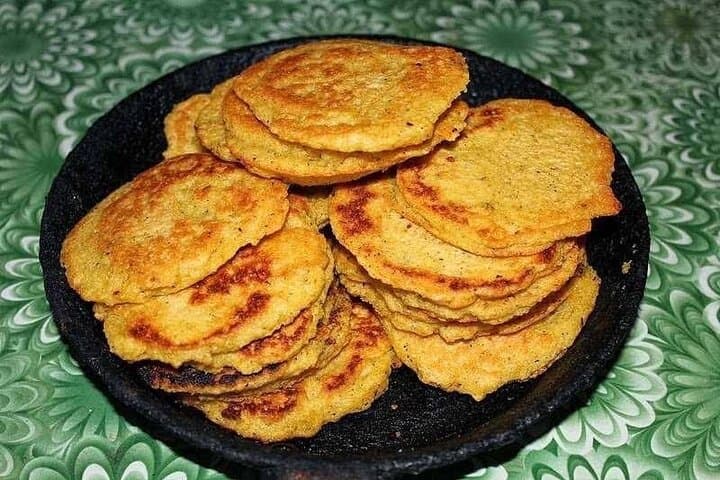
Kathmandu sits in a bowl-shaped valley carved by ancient rivers and filled with alluvial soil; its markets grew where trade routes converged and Newar merchants traded grain, spices and metalwork for centuries. The food crawl threads through living history—temple courtyards, tiled roofs, and small shops where recipes reflect Nepali, Tibetan and Indian influences. Taste chatamari (Newar-style flatbread), momo variations, sel roti and pickled achar while your guide explains local customs and the significance of market shrines.
Practicalities are simple: this is an easy, mainly on-foot two-hour experience with frequent stops for tasting and short walks across uneven pavements. Expect crowds, street noise and hands-on food preparation; food is generally safe when prepared at busy stalls, but bring common-sense hygiene habits. Carry small change, wear comfortable shoes and plan the tour earlier in the day to avoid the midday heat or post-monsoon muddiness.
By the end you’ll have tasted at least five items, gained context on Kathmandu’s culinary layers, and learned which stalls locals return to repeatedly. It’s a compact, sensory urban adventure—part history lesson, part street-food scavenger hunt—that gives a clear, flavorful snapshot of the city.
easy.
2 hours.
Minimal fitness required—comfortable walking for short distances with frequent stops.
The scheduled tour is approximately two hours and includes at least five tastings and short walks between market stops.
Yes—guides can point you to vegetarian and milder-spice options; always notify any dietary restrictions when booking.
Meet at the Chhaya Devi Complex in Thamel; it’s a well-known tourist hub—your booking confirmation will include exact meeting details and a local contact number.
The tour is rated easy but not recommended for pregnant travelers; mobility-impaired guests should check terrain and walking distances with the operator in advance.
Ason and Thamel sit inside Kathmandu Valley, a historic trade and cultural center shaped by Newar merchants; markets here have served as social and commercial hubs for centuries.
Support vendors who use reusable plates or minimize plastic; avoid single-use plastics and accept food in locally used wraps to reduce waste.
Mount Glory Treks & Expedition Pvt.Ltd. operates guided outdoor trips and adventures with an emphasis on safety, stewardship, and memorable experiences.
The tour begins in Thamel’s narrow lanes where the air tastes of frying oil and toasted spices, and lanterns sway over alleys that funnel you toward Ason Bazaar. You step from a tourist hub into the older heart of Kathmandu—the city’s market hums, vendors call, and steam rises from momo stalls daring you to take the first bite.
The tour begins in Thamel’s narrow lanes where the air tastes of frying oil and toasted spices, and lanterns sway over alleys that funnel you toward Ason Bazaar. You step from a tourist hub into the older heart of Kathmandu—the city’s market hums, vendors call, and steam rises from momo stalls daring you to take the first bite.
Kathmandu sits in a bowl-shaped valley carved by ancient rivers and filled with alluvial soil; its markets grew where trade routes converged and Newar merchants traded grain, spices and metalwork for centuries. The food crawl threads through living history—temple courtyards, tiled roofs, and small shops where recipes reflect Nepali, Tibetan and Indian influences. Taste chatamari (Newar-style flatbread), momo variations, sel roti and pickled achar while your guide explains local customs and the significance of market shrines.
Practicalities are simple: this is an easy, mainly on-foot two-hour experience with frequent stops for tasting and short walks across uneven pavements. Expect crowds, street noise and hands-on food preparation; food is generally safe when prepared at busy stalls, but bring common-sense hygiene habits. Carry small change, wear comfortable shoes and plan the tour earlier in the day to avoid the midday heat or post-monsoon muddiness.
By the end you’ll have tasted at least five items, gained context on Kathmandu’s culinary layers, and learned which stalls locals return to repeatedly. It’s a compact, sensory urban adventure—part history lesson, part street-food scavenger hunt—that gives a clear, flavorful snapshot of the city.