THE ADVENTURE COLLECTIVE® · Independent discovery and booking for outdoor travel

Explore five UNESCO World Heritage Sites across the Kathmandu Valley in a single day: Swayambhunath, Boudhanath, Patan and Kathmandu Durbar Squares, and Pashupatinath. This guided private circuit combines urban walks, short transfers, and an intimate look at Nepal’s living religious traditions.
Explore five UNESCO World Heritage Sites across the Kathmandu Valley in a single day: Swayambhunath, Boudhanath, Patan and Kathmandu Durbar Squares, and Pashupatinath. This guided private circuit combines urban walks, short transfers, and an intimate look at Nepal’s living religious traditions.
Morning light slants over brick courtyards as you step into a day where gods, kings and craftsmen press close together.
Verified experiences and guided adventures in the surrounding area.
Operated by Himalayan Advisor Pvt. Ltd. · Kathmandu, Bagmati Province
Morning light slants over brick courtyards as you step into a day where gods, kings and craftsmen press close together.
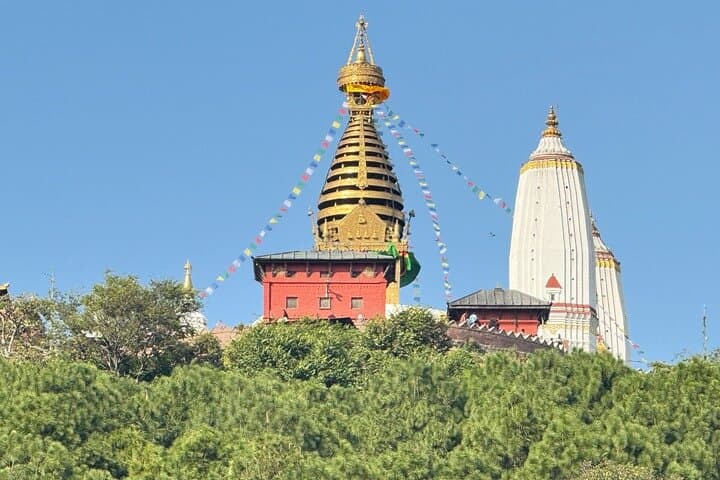
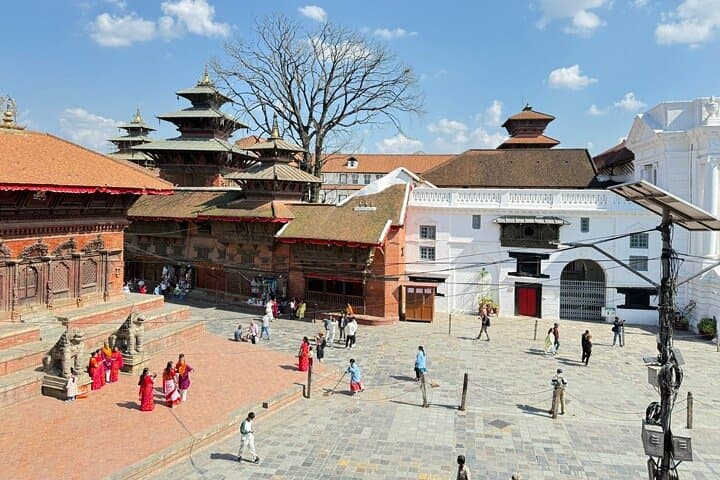
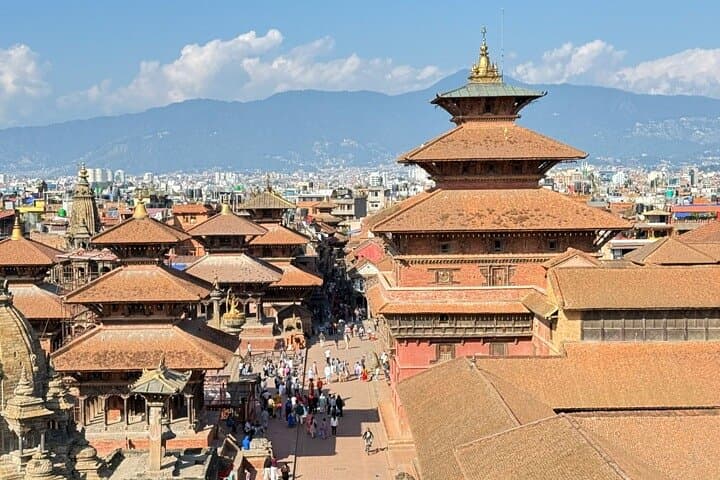
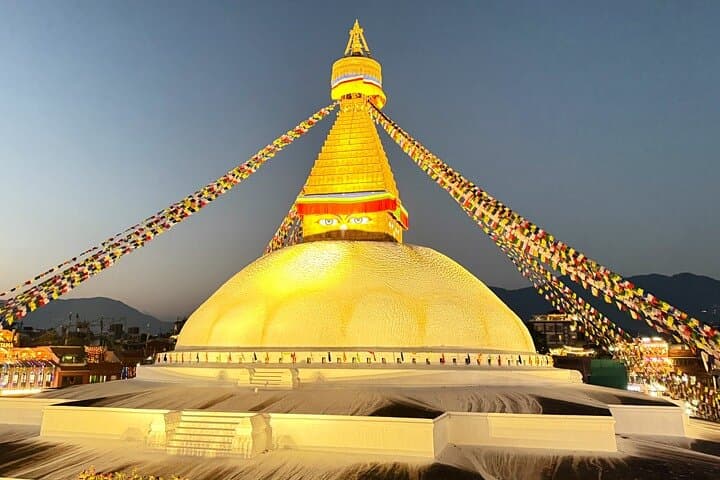
Start on Swayambhunath’s hill where prayer wheels click and rhesus macaques move like small, curious attendants; the white dome of Boudhanath rises next, its eyes watching the slow clockwise flow of pilgrims and incense. Walk the carved wooden galleries of Patan Durbar Square, then cross into Kathmandu Durbar Square to find the Kumari’s palace and Bhairav statues; finish at Pashupatinath beside the Bagmati, where life and death are marked in public rites.
The Kathmandu Valley is an alluvial bowl ringed by low hills, shaped by river terraces and centuries of trade that fed a distinctive Newar urban culture. Many monuments date from the Malla period (12th–18th centuries) and were reinforced after the 2015 earthquake; restoration continues and access can change.
Practical guidance: this is a long urban walking day—expect 7–8 hours with short transfers by private car. Dress modestly for temples (shoulders and knees covered); remove shoes where required. Bring water, sunscreen and small change for donations and museum entries (the tour includes site fees). Photography rules vary—ask before shooting rituals. Traffic in Kathmandu is slow; allow extra time between points.
Timing matters: early mornings at Swayambhunath and late afternoons at Boudhanath offer softer light and thinner crowds. Follow your guide’s lead around sensitive rituals, and treat this route as both a cultural circuit and a moving classroom—history, religion and living traditions are the terrain.
moderate.
7–8 hours.
Suitable for travelers in average fitness who can handle several hours of walking, stairs, and short vehicle transfers.
Yes—this tour includes entry fees for the listed heritage sites as part of the itinerary.
Yes—private car transfers with pickup and drop-off inside Kathmandu’s ring road, including Boudha area, are included.
The tour is rated physically easy but includes stairs and uneven surfaces; infants must sit on laps and travelers with limited mobility should notify the operator in advance.
Typical duration is 7–8 hours; the tour is private and may be adjusted in timing or emphasis by discussing preferences with the guide.
Kathmandu Valley’s urban form and monuments were shaped by Newar artisans during the Malla era; the valley has been a crossroads of Hindu and Buddhist practice for over a millennium.
Many monuments were damaged in the 2015 earthquake and are under ongoing restoration—travelers help by following site rules, avoiding litter, and supporting local conservation fees.
Himalayan Advisor Pvt. Ltd. operates guided outdoor trips and adventures with an emphasis on safety, stewardship, and memorable experiences.
Morning light slants over brick courtyards as you step into a day where gods, kings and craftsmen press close together.
Morning light slants over brick courtyards as you step into a day where gods, kings and craftsmen press close together.
Start on Swayambhunath’s hill where prayer wheels click and rhesus macaques move like small, curious attendants; the white dome of Boudhanath rises next, its eyes watching the slow clockwise flow of pilgrims and incense. Walk the carved wooden galleries of Patan Durbar Square, then cross into Kathmandu Durbar Square to find the Kumari’s palace and Bhairav statues; finish at Pashupatinath beside the Bagmati, where life and death are marked in public rites.
The Kathmandu Valley is an alluvial bowl ringed by low hills, shaped by river terraces and centuries of trade that fed a distinctive Newar urban culture. Many monuments date from the Malla period (12th–18th centuries) and were reinforced after the 2015 earthquake; restoration continues and access can change.
Practical guidance: this is a long urban walking day—expect 7–8 hours with short transfers by private car. Dress modestly for temples (shoulders and knees covered); remove shoes where required. Bring water, sunscreen and small change for donations and museum entries (the tour includes site fees). Photography rules vary—ask before shooting rituals. Traffic in Kathmandu is slow; allow extra time between points.
Timing matters: early mornings at Swayambhunath and late afternoons at Boudhanath offer softer light and thinner crowds. Follow your guide’s lead around sensitive rituals, and treat this route as both a cultural circuit and a moving classroom—history, religion and living traditions are the terrain.