THE ADVENTURE COLLECTIVE® · Independent discovery and booking for outdoor travel

See Mount Everest from the air on a one-hour mountain flight that departs from Kathmandu. This guided scenic flight offers guaranteed window seats, aerial views of Everest and neighboring peaks, and hotel transfers—weather permitting.
See Mount Everest from the air on a one-hour mountain flight that departs from Kathmandu. This guided scenic flight offers guaranteed window seats, aerial views of Everest and neighboring peaks, and hotel transfers—weather permitting.
The propeller hum eases and the Kathmandu Valley falls away beneath a ring of cloud; ahead, the Himalaya rises like an ancient wall that dares you to look closer.
Verified experiences and guided adventures in the surrounding area.
Operated by Alpine Luxury Treks Pvt Ltd · Kathmandu, Bagmati Province
The propeller hum eases and the Kathmandu Valley falls away beneath a ring of cloud; ahead, the Himalaya rises like an ancient wall that dares you to look closer.
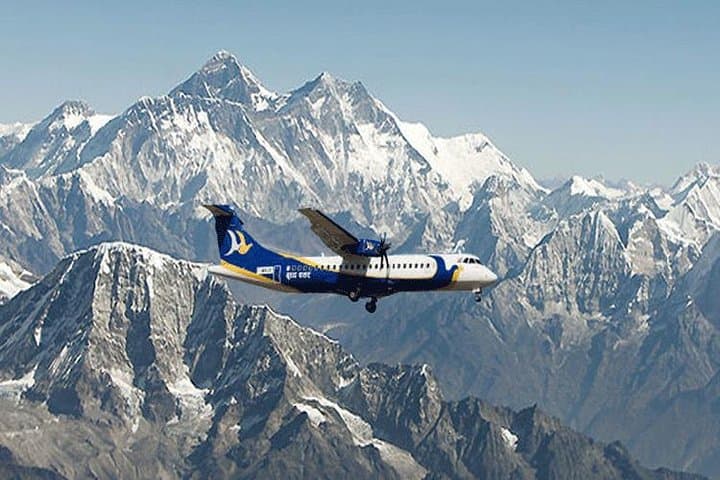
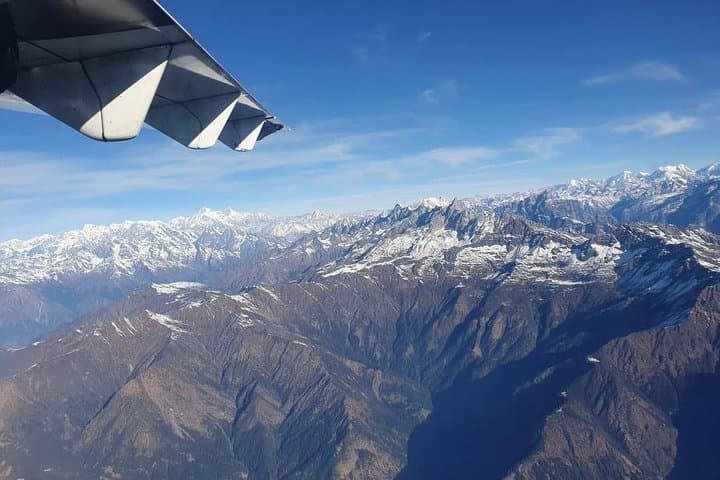
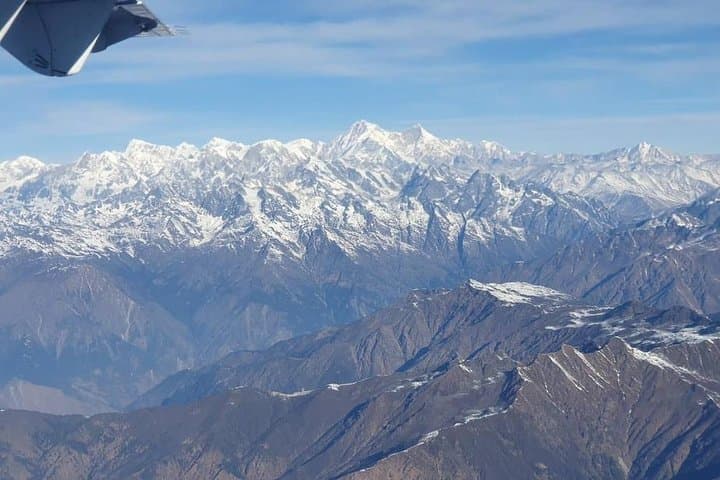
On an Everest scenic flight, the airplane becomes a narrow theater of peaks—Everest, Lhotse, Nuptse and Makalu passing in sharp succession—each summit catching light like a hard-edged sculpture. Pilots circle to give passengers sustained views; Pashupatinath and the spread of Kathmandu valley slip back into the itinerary as cultural markers beneath the flight line.
Geologically, the scene is the collision zone of the Indian and Eurasian plates: folded, thrust, and uplifted rock creating the world's highest summits. Culturally, the flight crosses land sacred to Nepali and Tibetan traditions—Everest known locally as Sagarmatha and Chomolungma—connects modern tourism with a long history of exploration and the 1953 first ascent.
Practically, expect about 60 minutes of airborne mountain viewing within a roughly three-hour excursion that includes hotel pickup and transfers. Window-seat guarantees and experienced pilots improve photo opportunities, but weather dictates visibility; flights are frequently rescheduled or canceled when clouds or winds roll in.
Bring a charged camera, dress in warm layers for the cabin’s chill at altitude, and plan flexibility into your itinerary for a weather-dependent experience. The flight lets you see Everest without trekking—an efficient, accessible way to experience Himalayan scale and history while minimizing physical demands.
easy.
3 hours (includes transfers; ~60 minutes airborne).
No special fitness required beyond the ability to board the aircraft; suitable for most travelers.
Expect about 50–70 minutes of airborne mountain viewing within a roughly three-hour tour that includes hotel transfers and airport procedures.
Visibility depends on weather; morning flights in spring and fall have the highest probability, but flights may be canceled or rescheduled if clouds obscure the peaks.
Yes—this flight is designed for travelers of all fitness levels who want to see Everest without trekking; only basic mobility to board the aircraft is required.
This operator guarantees window seats, but seating is subject to aircraft layout and safety protocols—confirm specifics at booking.
The Everest air route connects modern sightseeing with a history of Himalayan exploration and the 1953 first ascent by Sir Edmund Hillary and Tenzing Norgay; the mountain holds deep significance in local Nepali and Tibetan cultures.
Everest and its approaches face pressure from tourism and mountaineering waste; choose operators who support local clean-up efforts and respect environmental regulations.
Alpine Luxury Treks Pvt Ltd operates guided outdoor trips and adventures with an emphasis on safety, stewardship, and memorable experiences.
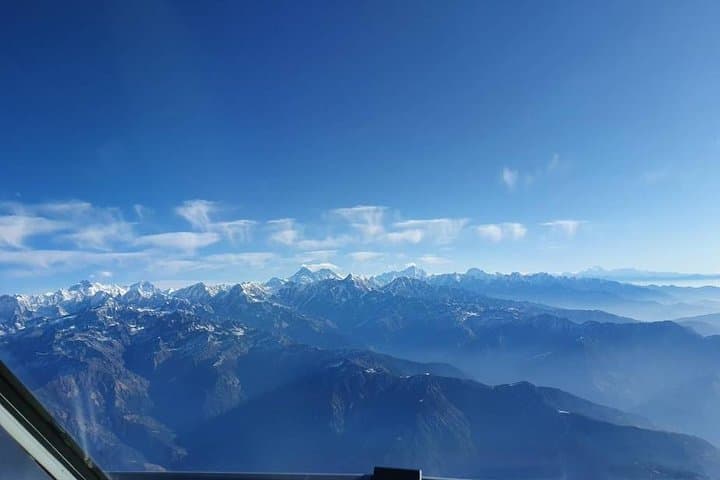
The propeller hum eases and the Kathmandu Valley falls away beneath a ring of cloud; ahead, the Himalaya rises like an ancient wall that dares you to look closer.
The propeller hum eases and the Kathmandu Valley falls away beneath a ring of cloud; ahead, the Himalaya rises like an ancient wall that dares you to look closer.
On an Everest scenic flight, the airplane becomes a narrow theater of peaks—Everest, Lhotse, Nuptse and Makalu passing in sharp succession—each summit catching light like a hard-edged sculpture. Pilots circle to give passengers sustained views; Pashupatinath and the spread of Kathmandu valley slip back into the itinerary as cultural markers beneath the flight line.
Geologically, the scene is the collision zone of the Indian and Eurasian plates: folded, thrust, and uplifted rock creating the world's highest summits. Culturally, the flight crosses land sacred to Nepali and Tibetan traditions—Everest known locally as Sagarmatha and Chomolungma—connects modern tourism with a long history of exploration and the 1953 first ascent.
Practically, expect about 60 minutes of airborne mountain viewing within a roughly three-hour excursion that includes hotel pickup and transfers. Window-seat guarantees and experienced pilots improve photo opportunities, but weather dictates visibility; flights are frequently rescheduled or canceled when clouds or winds roll in.
Bring a charged camera, dress in warm layers for the cabin’s chill at altitude, and plan flexibility into your itinerary for a weather-dependent experience. The flight lets you see Everest without trekking—an efficient, accessible way to experience Himalayan scale and history while minimizing physical demands.