THE ADVENTURE COLLECTIVE® · Independent discovery and booking for outdoor travel

Attend the evening Aarati at Pashupatinath to watch priests, oil lamps, and the Bagmati River combine in a living ritual. This guided, 3-hour tour pairs cultural context with a respectful viewpoint for visitors.
Attend the evening Aarati at Pashupatinath to watch priests, oil lamps, and the Bagmati River combine in a living ritual. This guided, 3-hour tour pairs cultural context with a respectful viewpoint for visitors.
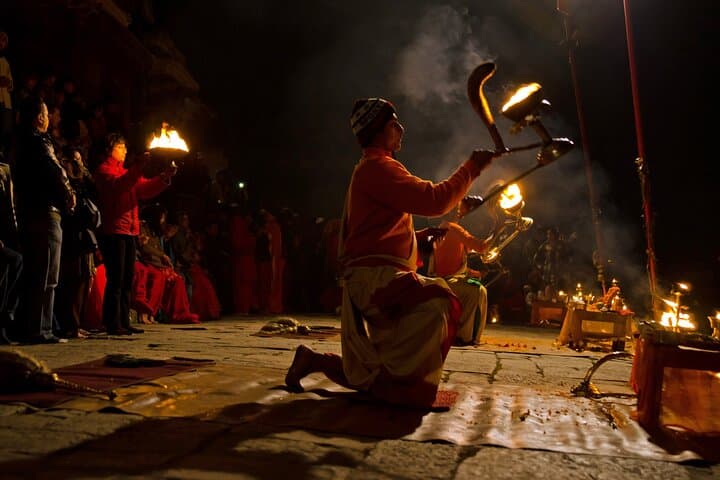
The sun slips behind brick temples as the Bagmati breathes a cool line through Kathmandu; oil lamps begin to flicker along its banks and a low chorus of conch shells and mantras draws you closer. On the evening Aarati tour at Pashupatinath you step into a ritual where flame, chant, and water shape the city’s after-dark rhythm.
Verified experiences and guided adventures in the surrounding area.
Operated by Shriyan World Wide Tours Private Limited · Kathmandu, Bagmati Province
The sun slips behind brick temples as the Bagmati breathes a cool line through Kathmandu; oil lamps begin to flicker along its banks and a low chorus of conch shells and mantras draws you closer. On the evening Aarati tour at Pashupatinath you step into a ritual where flame, chant, and water shape the city’s after-dark rhythm.
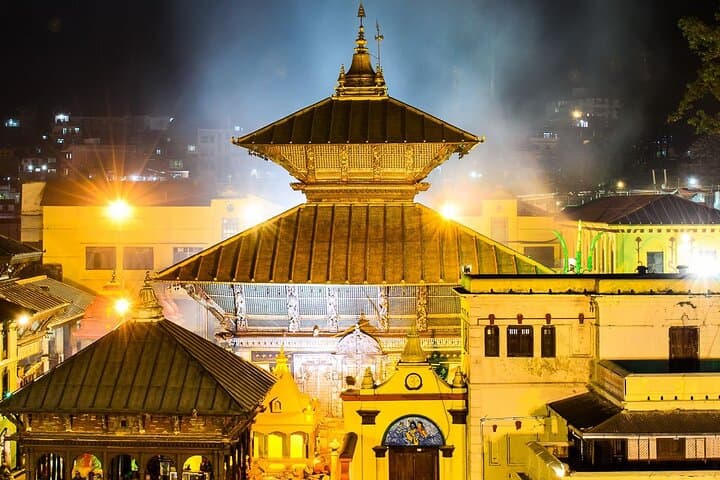
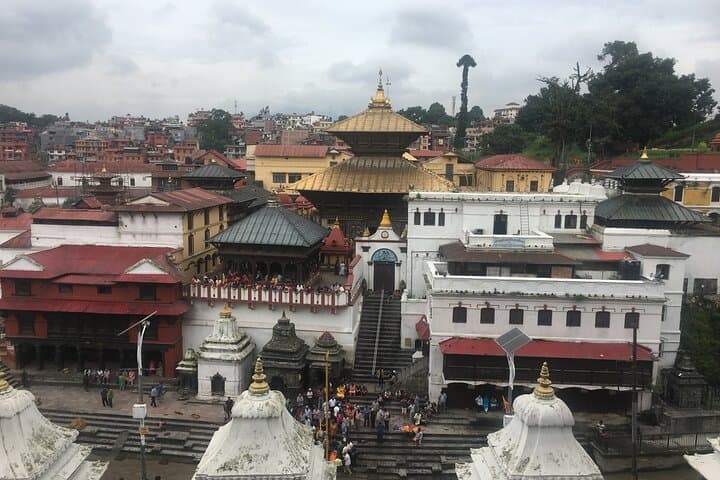
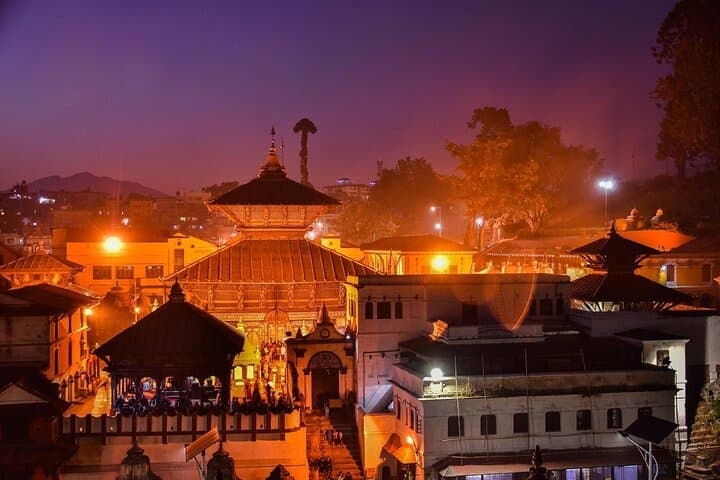
Pashupatinath is one of Hinduism’s most important temple complexes, its core dating back centuries while the river valley preserves layers of Kathmandu’s cultural and religious life. The stone ghats and pagoda roofs bear Kathmandu Valley’s seismic geology—ancient river terraces uplifted by Himalayan forces—and the site’s rituals reflect continuous practice from medieval to modern times. Local priests perform synchronized offerings; devotees, tourists, and pilgrims create a human fringe that pulses around the ceremony.
Expect a sensory, structured experience: the guide outlines the symbolism of lamps, offerings, and chants, then positions you to observe respectfully from the ghats. Photography is often allowed but follow local cues; quiet is part of the encounter. The route between hotel and temple is short but can be busy, so plan for evening traffic and security checks.
Practical notes: wear modest clothing covering shoulders and knees, carry a small torch or headlamp for stairs, and keep water and a light layer for river breeze. The tour lasts about three hours and is accessible to most travelers. Arrive with curiosity and respect—this is an active place of worship, not a staged performance—and you’ll leave with a clearer sense of Kathmandu’s spiritual pulse.
easy.
2–3 hours.
Suitable for most travelers; involves brief, level walking and some steps.
Yes; visitors may observe and participate respectfully, but the temple is an active place of worship so follow the guide’s directions.
The tour is approximately three hours including hotel pickup, the ceremony, and return transfer.
Photography is often allowed in public viewing areas but is restricted near cremation ghats and certain rituals—obey signs and your guide’s instructions.
Yes, the tour includes private round-trip transfer from Kathmandu hotels as listed in the tour details.
Pashupatinath is a centuries-old temple complex dedicated to Shiva; its present structures and rituals reflect continuous religious practice tied to Kathmandu Valley’s medieval cultural centers.
The Bagmati faces urban pollution and conservation efforts focus on river cleanups and reducing visitor impact—avoid littering and follow local guidance to protect the ghats.
Shriyan World Wide Tours Private Limited operates guided outdoor trips and adventures with an emphasis on safety, stewardship, and memorable experiences.
The sun slips behind brick temples as the Bagmati breathes a cool line through Kathmandu; oil lamps begin to flicker along its banks and a low chorus of conch shells and mantras draws you closer. On the evening Aarati tour at Pashupatinath you step into a ritual where flame, chant, and water shape the city’s after-dark rhythm.
The sun slips behind brick temples as the Bagmati breathes a cool line through Kathmandu; oil lamps begin to flicker along its banks and a low chorus of conch shells and mantras draws you closer. On the evening Aarati tour at Pashupatinath you step into a ritual where flame, chant, and water shape the city’s after-dark rhythm.
Pashupatinath is one of Hinduism’s most important temple complexes, its core dating back centuries while the river valley preserves layers of Kathmandu’s cultural and religious life. The stone ghats and pagoda roofs bear Kathmandu Valley’s seismic geology—ancient river terraces uplifted by Himalayan forces—and the site’s rituals reflect continuous practice from medieval to modern times. Local priests perform synchronized offerings; devotees, tourists, and pilgrims create a human fringe that pulses around the ceremony.
Expect a sensory, structured experience: the guide outlines the symbolism of lamps, offerings, and chants, then positions you to observe respectfully from the ghats. Photography is often allowed but follow local cues; quiet is part of the encounter. The route between hotel and temple is short but can be busy, so plan for evening traffic and security checks.
Practical notes: wear modest clothing covering shoulders and knees, carry a small torch or headlamp for stairs, and keep water and a light layer for river breeze. The tour lasts about three hours and is accessible to most travelers. Arrive with curiosity and respect—this is an active place of worship, not a staged performance—and you’ll leave with a clearer sense of Kathmandu’s spiritual pulse.