THE ADVENTURE COLLECTIVE® · Independent discovery and booking for outdoor travel

A short, guided walk from Thamel to Hanuman Dhoka that places you inside Kathmandu’s royal palace complex, its living rituals, and centuries of Newar craftsmanship. Expect 70–100 minutes on uneven cobbles, close-up views of carved woodwork, and insights into ongoing restoration efforts.
A short, guided walk from Thamel to Hanuman Dhoka that places you inside Kathmandu’s royal palace complex, its living rituals, and centuries of Newar craftsmanship. Expect 70–100 minutes on uneven cobbles, close-up views of carved woodwork, and insights into ongoing restoration efforts.
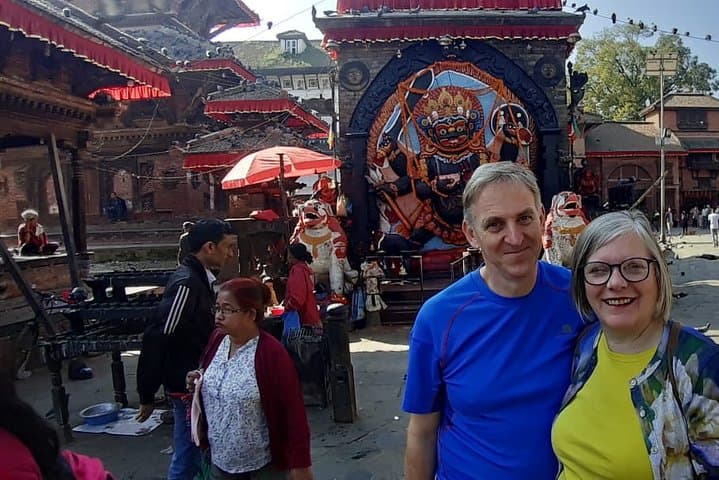
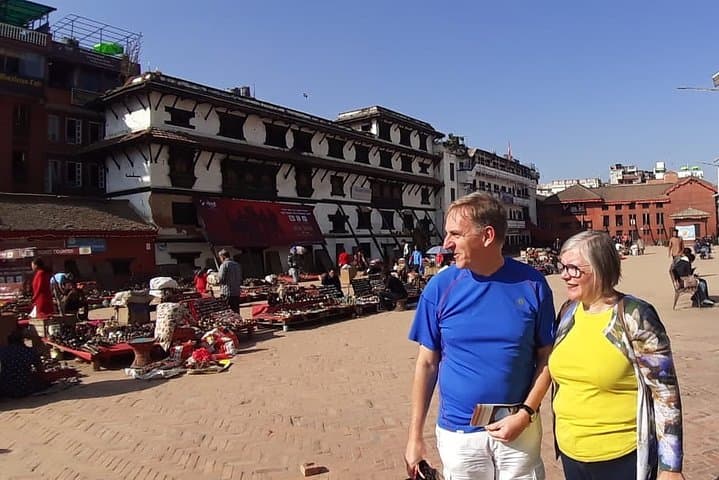
You step out of Thamel’s tight lanes and the city opens into a courtyard that holds centuries in its stone: carved windows watch over courtyards where prayer flags twitch and pigeons claim the corners.
Verified experiences and guided adventures in the surrounding area.
Operated by Couch Adventure Nepal (CAN) · Kathmandu, Bagmati Province
You step out of Thamel’s tight lanes and the city opens into a courtyard that holds centuries in its stone: carved windows watch over courtyards where prayer flags twitch and pigeons claim the corners.
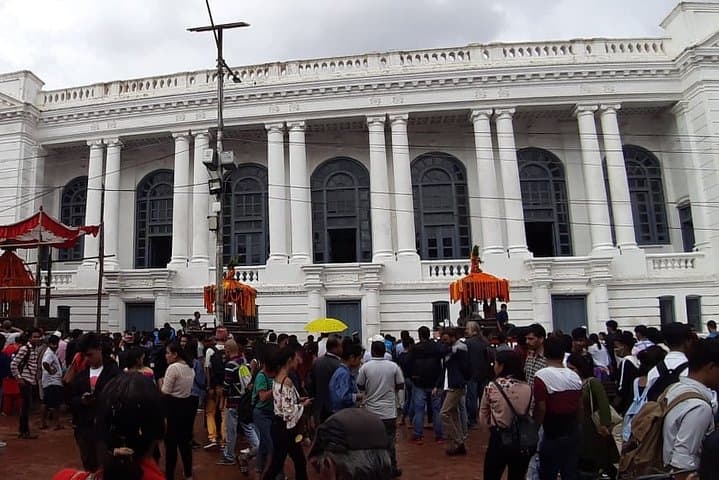
The brief walk from Thamel to Kathmandu Durbar Square takes visitors into the heart of the old royal palace complex—Hanuman Dhoka—built and rebuilt by Malla and Shah rulers. The square’s temples and palaces are crafted by Newar masons whose woodcarving and brickwork reflect the valley’s alluvial clay traditions and the influence of Tibetan and Indian styles. Cultural rhythms are visible: a priest arranging oil lamps, a Kumari procession passing through, school groups sketching bas-reliefs.
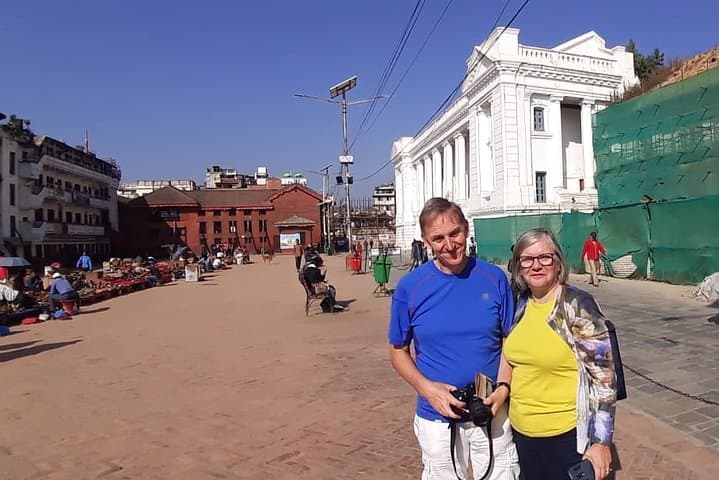
Though an urban experience, geology and geography shape the visit; the Kathmandu Valley’s flat bowl channels afternoon winds that can suddenly cool sun-warmed stone. The site suffered damage in the 2015 earthquake and many monuments are under careful restoration—bring curiosity about reconstruction efforts as part of the story.
Practical guidance: the guided tour lasts roughly 70–100 minutes and covers mostly level but uneven cobblestones and low temple steps. Wear sturdy, flat-soled shoes and modest clothing for temple entry; you may be asked to remove shoes at indoor shrines. Carry water and small change for donations; photography is allowed in most areas but be respectful at ceremonies and around living deities. Mornings are cooler and less crowded; late afternoons offer warm light for photography but more visitors. A local guide adds context on iconography, Newar workshops, and the conservation work that keeps the square alive for future generations.
easy.
1–1.5 hours.
Light walking on mostly level terrain; suitable for most fitness levels but expect short uneven sections.
The tour typically lasts 70–100 minutes, covering the walk from Thamel and a guided visit through Durbar Square's main courtyards.
Some areas are wheelchair accessible, but expect uneven paving and low steps at certain temples—confirm accessibility needs when booking.
This tour’s basic itinerary does not include museum or monument admission; check with the operator if you want entry to specific indoor sites.
Photography is generally allowed outdoors; be respectful during ceremonies and ask permission before photographing priests, worshippers, or the living goddess (Kumari).
Durbar Square centers on Hanuman Dhoka, the former royal palace complex built by Malla and Shah dynasties; the area has been a political and cultural hub for centuries.
Many monuments were damaged in the 2015 earthquake and are under phased restoration; visitors can support local conservation by following site rules and contributing to official funds.
Couch Adventure Nepal (CAN) operates guided outdoor trips and adventures with an emphasis on safety, stewardship, and memorable experiences.
You step out of Thamel’s tight lanes and the city opens into a courtyard that holds centuries in its stone: carved windows watch over courtyards where prayer flags twitch and pigeons claim the corners.
You step out of Thamel’s tight lanes and the city opens into a courtyard that holds centuries in its stone: carved windows watch over courtyards where prayer flags twitch and pigeons claim the corners.
The brief walk from Thamel to Kathmandu Durbar Square takes visitors into the heart of the old royal palace complex—Hanuman Dhoka—built and rebuilt by Malla and Shah rulers. The square’s temples and palaces are crafted by Newar masons whose woodcarving and brickwork reflect the valley’s alluvial clay traditions and the influence of Tibetan and Indian styles. Cultural rhythms are visible: a priest arranging oil lamps, a Kumari procession passing through, school groups sketching bas-reliefs.
Though an urban experience, geology and geography shape the visit; the Kathmandu Valley’s flat bowl channels afternoon winds that can suddenly cool sun-warmed stone. The site suffered damage in the 2015 earthquake and many monuments are under careful restoration—bring curiosity about reconstruction efforts as part of the story.
Practical guidance: the guided tour lasts roughly 70–100 minutes and covers mostly level but uneven cobblestones and low temple steps. Wear sturdy, flat-soled shoes and modest clothing for temple entry; you may be asked to remove shoes at indoor shrines. Carry water and small change for donations; photography is allowed in most areas but be respectful at ceremonies and around living deities. Mornings are cooler and less crowded; late afternoons offer warm light for photography but more visitors. A local guide adds context on iconography, Newar workshops, and the conservation work that keeps the square alive for future generations.