THE ADVENTURE COLLECTIVE® · Independent discovery and booking for outdoor travel

Explore Kathmandu’s royal square, Asan market and Thamel with a local guide who navigates temple courtyards, bargaining stalls and hidden alleys. This half‑day walking tour pairs history with practical shopping tips for authentic souvenirs.
Explore Kathmandu’s royal square, Asan market and Thamel with a local guide who navigates temple courtyards, bargaining stalls and hidden alleys. This half‑day walking tour pairs history with practical shopping tips for authentic souvenirs.
You step out of a narrow lane into Basantapur’s sun-warmed courtyard where carved wooden windows watch over a crowd of sellers, pilgrims and schoolchildren. Prayer flags stitch color across rooftops, incense and frying spices thread the air, and the clack of vendors’ stalls sets a brisk urban rhythm — this is Kathmandu Durbar Square at midday.
Verified experiences and guided adventures in the surrounding area.
Operated by Himalayan Smile Treks and Adventure Pvt. Ltd · Kathmandu, Bagmati
You step out of a narrow lane into Basantapur’s sun-warmed courtyard where carved wooden windows watch over a crowd of sellers, pilgrims and schoolchildren. Prayer flags stitch color across rooftops, incense and frying spices thread the air, and the clack of vendors’ stalls sets a brisk urban rhythm — this is Kathmandu Durbar Square at midday.
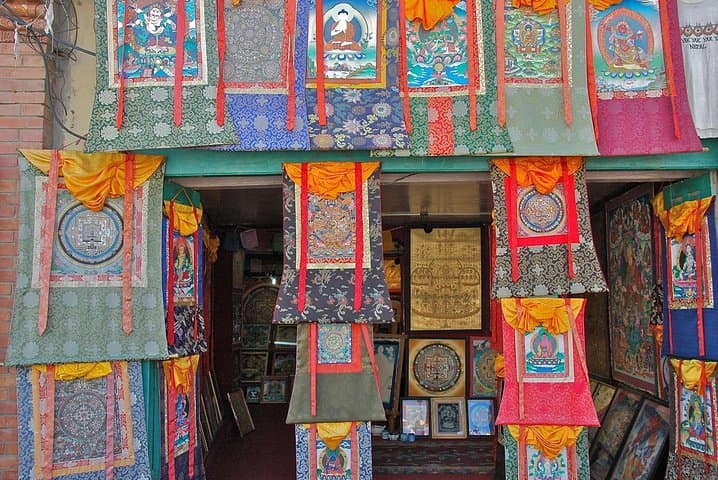
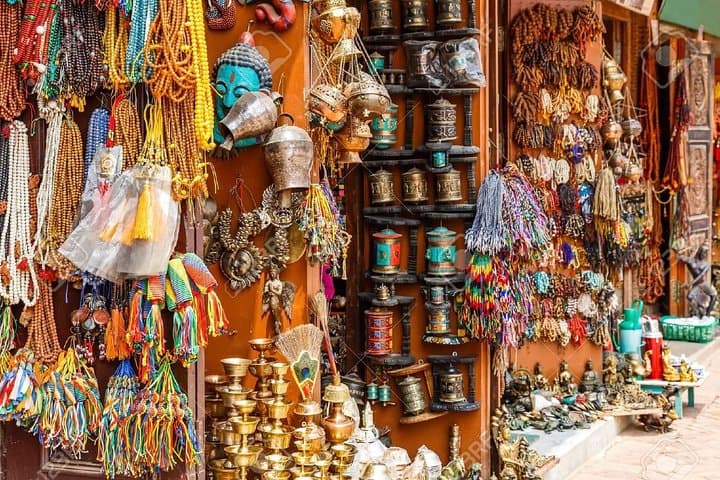
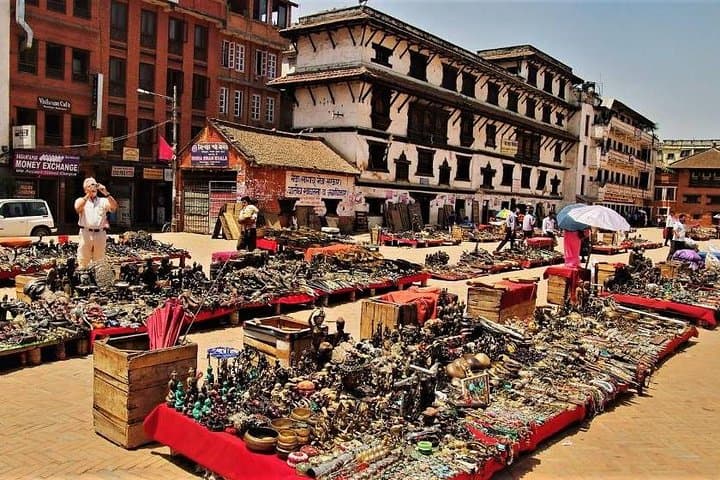
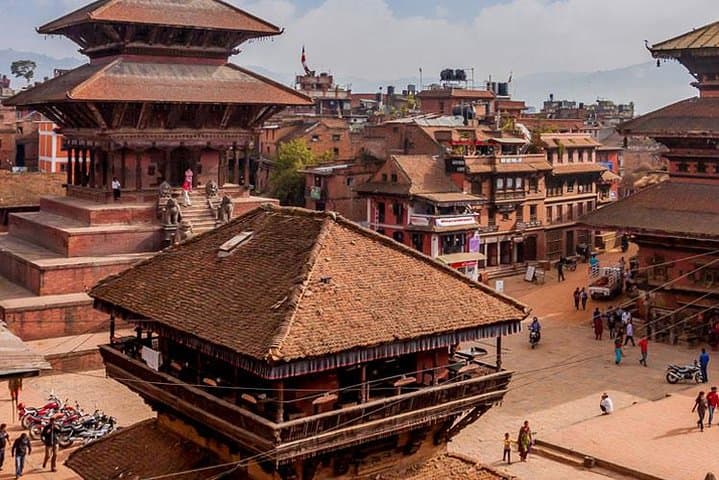
The square is the historic royal heart of Kathmandu, shaped by Nepal’s Malla and Shah dynasties and recognized as part of the Kathmandu Valley World Heritage Site. Stone temples and palace facades show centuries of Newar craftsmanship: tiered roofs, ornate cornices and stone idols whose faces have weathered many monsoons. Wander beyond the Durbar into Asan’s maze of spice and metal shops and the narrow avenues of Freak Street and Thamel, areas that shifted from 1960s counterculture crossroads to today’s bustling market for trekking gear, handicrafts and local textiles.
Practically: this is a half-day, mostly on-foot cultural shopping tour that moves at urban walking pace across uneven stone and busy streets. Wear sturdy shoes, carry cash for small vendors, and keep a small sack for purchases. Expect bargaining in markets, polite dress when approaching temple courtyards, and short climbs up stone steps. Bring water, sunscreen and a charged phone for photos; peak sunlight makes early afternoons the busiest. A local guide will point out the best stalls, explain iconography on temple panels, and help navigate permits or respectful behavior around the Kumari courtyard. For travelers who want tactile souvenirs and context to match, this blend of history and shopping delivers a practical, sensory introduction to Kathmandu’s living core.
moderate.
5–6 hours.
Moderate: comfortable walking for several hours over uneven stone and short stair sections.
No; the tour mentions sightseeing but admission fees for specific monuments may be paid locally—your guide will advise on current rates.
Yes, local guides commonly assist with language, fair prices and identifying quality items at stalls.
Pickup options vary by operator; confirm your pickup point when booking—Thamel and central Kathmandu hotels are typical meeting areas.
Yes if participants can walk several hours with breaks; uneven surfaces and stairs may be challenging—inform the operator of mobility needs.
Kathmandu Durbar Square served as the royal palace complex for Nepal’s Malla and Shah rulers and remains a focal point for Newar culture, festivals and ceremonial life.
High foot traffic stresses fragile carvings and foundations—follow marked paths, avoid touching reliefs, and support local craftsmen by buying sustainably made goods.
Himalayan Smile Treks and Adventure Pvt. Ltd operates guided outdoor trips and adventures with an emphasis on safety, stewardship, and memorable experiences.
You step out of a narrow lane into Basantapur’s sun-warmed courtyard where carved wooden windows watch over a crowd of sellers, pilgrims and schoolchildren. Prayer flags stitch color across rooftops, incense and frying spices thread the air, and the clack of vendors’ stalls sets a brisk urban rhythm — this is Kathmandu Durbar Square at midday.
You step out of a narrow lane into Basantapur’s sun-warmed courtyard where carved wooden windows watch over a crowd of sellers, pilgrims and schoolchildren. Prayer flags stitch color across rooftops, incense and frying spices thread the air, and the clack of vendors’ stalls sets a brisk urban rhythm — this is Kathmandu Durbar Square at midday.
The square is the historic royal heart of Kathmandu, shaped by Nepal’s Malla and Shah dynasties and recognized as part of the Kathmandu Valley World Heritage Site. Stone temples and palace facades show centuries of Newar craftsmanship: tiered roofs, ornate cornices and stone idols whose faces have weathered many monsoons. Wander beyond the Durbar into Asan’s maze of spice and metal shops and the narrow avenues of Freak Street and Thamel, areas that shifted from 1960s counterculture crossroads to today’s bustling market for trekking gear, handicrafts and local textiles.
Practically: this is a half-day, mostly on-foot cultural shopping tour that moves at urban walking pace across uneven stone and busy streets. Wear sturdy shoes, carry cash for small vendors, and keep a small sack for purchases. Expect bargaining in markets, polite dress when approaching temple courtyards, and short climbs up stone steps. Bring water, sunscreen and a charged phone for photos; peak sunlight makes early afternoons the busiest. A local guide will point out the best stalls, explain iconography on temple panels, and help navigate permits or respectful behavior around the Kumari courtyard. For travelers who want tactile souvenirs and context to match, this blend of history and shopping delivers a practical, sensory introduction to Kathmandu’s living core.