THE ADVENTURE COLLECTIVE® · Independent discovery and booking for outdoor travel

Spend a focused six hours visiting Kathmandu’s four must-see heritage sites—Swayambhunath, Boudhanath, Pashupatinath and Durbar Square—by private car with a guide. This cultural circuit blends centuries of Newar architecture and Tibetan monastic life with practical tips on timing, etiquette and what to bring.
Spend a focused six hours visiting Kathmandu’s four must-see heritage sites—Swayambhunath, Boudhanath, Pashupatinath and Durbar Square—by private car with a guide. This cultural circuit blends centuries of Newar architecture and Tibetan monastic life with practical tips on timing, etiquette and what to bring.
You step from a private car into a city where stone and prayer wheel meet traffic’s persistent hum. Morning light hits the gilded eyes of Swayambhunath, the hill crowned with whitewashed stupas and vigilant monkeys; later the Bagmati River threads through Pashupatinath, its ghats alive with smoke, ritual and whispered offerings.
Verified experiences and guided adventures in the surrounding area.
Operated by Mission Himalaya Trekking · Kathmandu, Bagmati Province
You step from a private car into a city where stone and prayer wheel meet traffic’s persistent hum. Morning light hits the gilded eyes of Swayambhunath, the hill crowned with whitewashed stupas and vigilant monkeys; later the Bagmati River threads through Pashupatinath, its ghats alive with smoke, ritual and whispered offerings.
This six‑hour cultural circuit covers four UNESCO and major heritage sites: the hilltop Swayambhunath (Monkey Temple), the vast Boudhanath stupa ringed by Tibetan monasteries, the bankside Pashupatinath complex with its Shiva shrines and cremation ghats, and the ancient Kathmandu Durbar Square with Newar palaces and courtyards. Geologically, the valley sits in the Kathmandu Basin—an alluvial plain ringed by hills—so expect short climbs (Swayambhu) and flat walking elsewhere.
History and culture interlock here: Newar artisans shaped pagoda roofs and carved doorways centuries ago while Tibetan Buddhist influence clustered monastic communities around Boudhanath. The sites are active places of worship—dress modestly, remove shoes where required, and ask before photographing ceremonies.
Practical guidance: a private car and guide keep transit efficient, but plan for 6 hours including entrances and short walks. Wear sturdy walking shoes; bring water and small bills for donations or monastery stalls. Visit early to avoid midday crowds and pollution haze; monsoon months bring heavy afternoon rain, so pack a light rain shell. Respect restricted zones at Pashupatinath and observe local customs—this is a living cultural route, not just a photo stop.
easy.
6 hours.
Low‑impact walking on mostly paved surfaces with one short uphill climb at Swayambhunath; suitable for most fitness levels
The tour is approximately six hours and visits Swayambhunath (Monkey Temple), Boudhanath Stupa, Pashupatinath Temple, and Kathmandu Durbar Square with entrance fees included.
The itinerary is generally suitable for families and those with moderate mobility, though Swayambhunath requires climbing a set of stairs—alternative viewing areas reduce stair use.
Yes—entrance fees to the four heritage sites and a private car with driver are included as part of the booking package.
Photography is allowed at most exterior sites, but Pashupatinath’s cremation ghats and certain shrines may restrict cameras; always ask before photographing worshippers.
Kathmandu’s core grew under Newar city‑states; pagoda architecture and woodcarving reflect centuries of artisan craft, while Boudhanath became a center for Tibetan Buddhism after trade routes brought Himalayan communities to the valley.
Popular sites face wear from foot traffic and urban pollution; travelers should minimize litter, use marked paths and support local conservation fees or donations where offered.
Mission Himalaya Trekking operates guided outdoor trips and adventures with an emphasis on safety, stewardship, and memorable experiences.
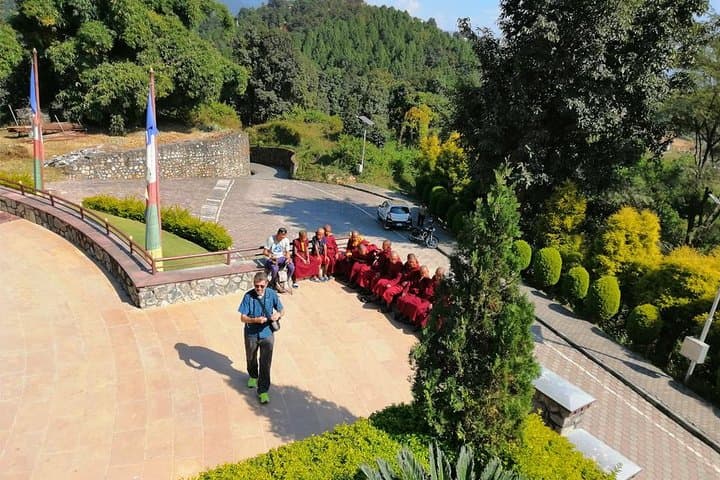
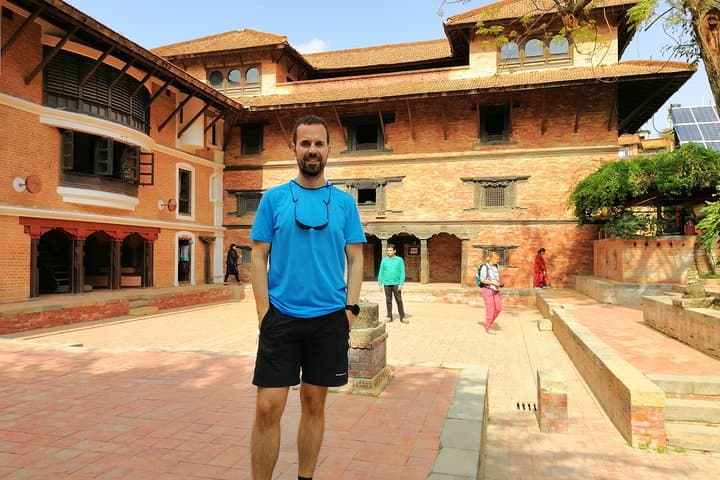
You step from a private car into a city where stone and prayer wheel meet traffic’s persistent hum. Morning light hits the gilded eyes of Swayambhunath, the hill crowned with whitewashed stupas and vigilant monkeys; later the Bagmati River threads through Pashupatinath, its ghats alive with smoke, ritual and whispered offerings.
You step from a private car into a city where stone and prayer wheel meet traffic’s persistent hum. Morning light hits the gilded eyes of Swayambhunath, the hill crowned with whitewashed stupas and vigilant monkeys; later the Bagmati River threads through Pashupatinath, its ghats alive with smoke, ritual and whispered offerings.
This six‑hour cultural circuit covers four UNESCO and major heritage sites: the hilltop Swayambhunath (Monkey Temple), the vast Boudhanath stupa ringed by Tibetan monasteries, the bankside Pashupatinath complex with its Shiva shrines and cremation ghats, and the ancient Kathmandu Durbar Square with Newar palaces and courtyards. Geologically, the valley sits in the Kathmandu Basin—an alluvial plain ringed by hills—so expect short climbs (Swayambhu) and flat walking elsewhere.
History and culture interlock here: Newar artisans shaped pagoda roofs and carved doorways centuries ago while Tibetan Buddhist influence clustered monastic communities around Boudhanath. The sites are active places of worship—dress modestly, remove shoes where required, and ask before photographing ceremonies.
Practical guidance: a private car and guide keep transit efficient, but plan for 6 hours including entrances and short walks. Wear sturdy walking shoes; bring water and small bills for donations or monastery stalls. Visit early to avoid midday crowds and pollution haze; monsoon months bring heavy afternoon rain, so pack a light rain shell. Respect restricted zones at Pashupatinath and observe local customs—this is a living cultural route, not just a photo stop.