THE ADVENTURE COLLECTIVE® · Independent discovery and booking for outdoor travel

Circle Kathmandu’s sacred core in a single day: Durbar Square’s carved palaces, Swayambhunath’s monkey-strewn stupa, the cremation ghats of Pashupatinath and the vast Boudhanath stupa. Practical tips and local insight for a culturally sensitive, full-day city tour.
Circle Kathmandu’s sacred core in a single day: Durbar Square’s carved palaces, Swayambhunath’s monkey-strewn stupa, the cremation ghats of Pashupatinath and the vast Boudhanath stupa. Practical tips and local insight for a culturally sensitive, full-day city tour.
You step out of a small car into a lane where temple bells keep time with shopkeepers sweeping dust from doorways. The air carries incense and the distant bark of rhesus macaques on stupa terraces; saffron-clad priests move through courtyards while traffic hums beyond the ancient stone gateways.
Verified experiences and guided adventures in the surrounding area.
Operated by Transport Hub Nepal · Kathmandu, Bagmati Province
You step out of a small car into a lane where temple bells keep time with shopkeepers sweeping dust from doorways. The air carries incense and the distant bark of rhesus macaques on stupa terraces; saffron-clad priests move through courtyards while traffic hums beyond the ancient stone gateways.
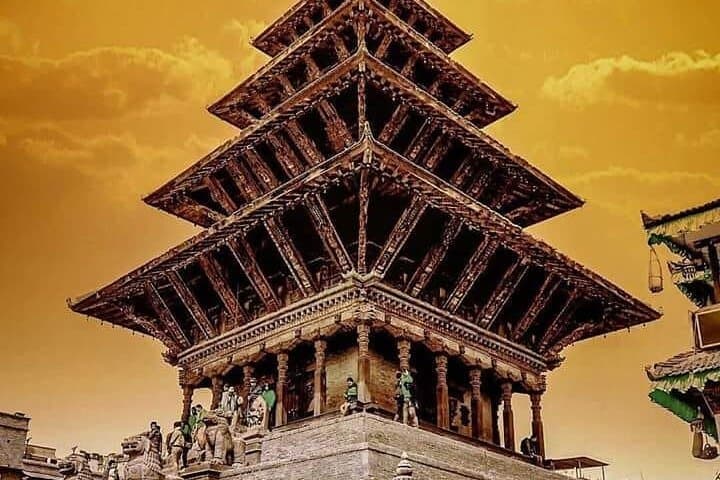
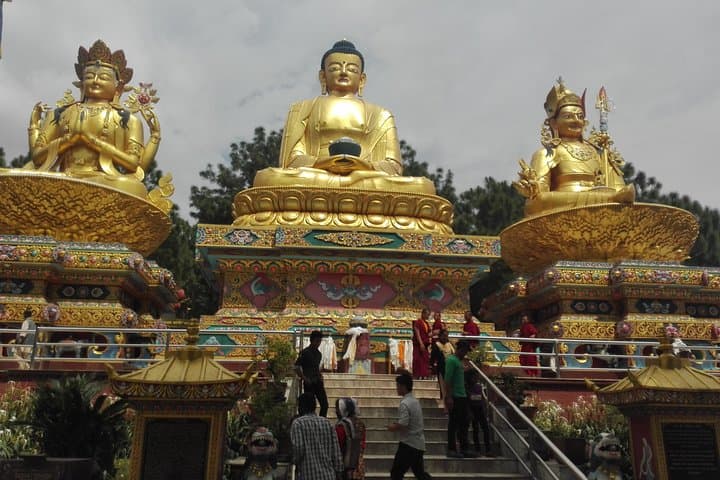
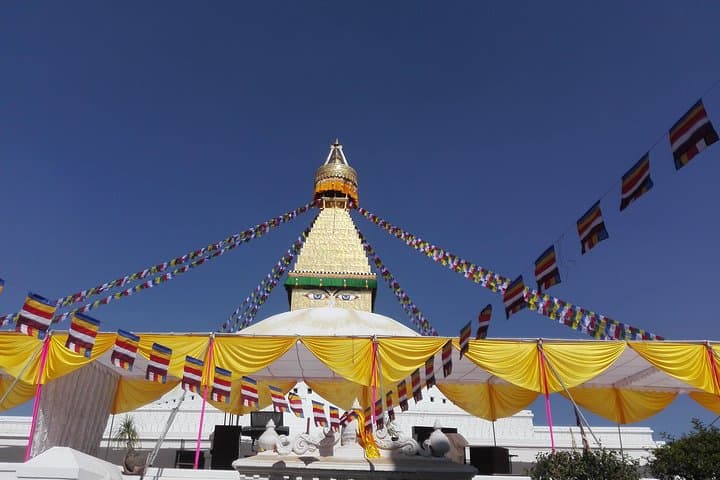
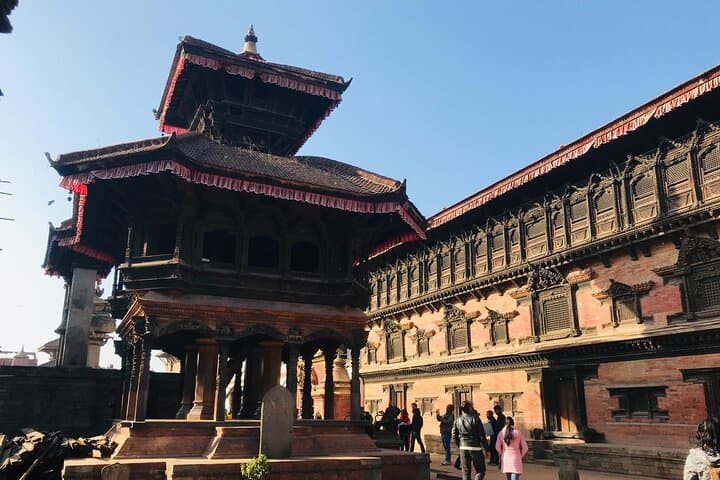
This full-day circuit threads together Kathmandu’s living history: the royal courtyards of Durbar Square where wood-carved windows watch over markets; Swayambhunath’s painted eyes that survey the valley; Pashupatinath’s riverbanks where cremation ghats mark life and death; and Boudhanath, the great Buddhist chorten topped with fluttering prayer flags. The valley sits on uplifted alluvial plains ringed by lower Himalayan foothills; centuries of trade and conquest left a compact city rich in Newar craftsmanship and layered religious practice.
Expect close-up cultural encounters—priests performing rites, vendors selling ritual offerings, and narrow alleys that reveal everyday life. On clear mornings the rim of the Himalaya appears white to the north, a reminder of the landscape beyond the city.
Practical guidance: plan 5–7 hours with comfortable walking shoes for cobbled squares and brief temple steps. Dress modestly—cover shoulders and knees, and carry a scarf for shrine visits. Bring cash for small donations and museum entry, and keep water handy; congestion and heat can sap energy fast. If you prefer quieter visits, start early for Swayambhunath sunrise and aim for late afternoon at Boudhanath when light softens the stupa. Respect local customs at Pashupatinath; photography around cremation areas is inappropriate. With sensible timing and cultural awareness, the day delivers a compact, intense introduction to Kathmandu’s sacred core.
easy.
5–7 hours.
Suitable for general fitness; involves several short walks and stair climbs at temple sites.
The sightseeing runs about 5–7 hours depending on traffic and how long you spend at each site.
Yes—tour is rated easy, but expect some short stair climbs and uneven ground; inform the operator about mobility needs for vehicle access.
You can see distant snow peaks from Swayambhunath or parts of the city on clear mornings; visibility depends on season and air quality.
The tour notes local transportation and guide included, but bring cash for museum entries, temple donations and optional offerings.
Kathmandu Valley has been a crossroads of Hindu and Buddhist cultures for over a millennium; many temples and stupas were patronized by Newar artisans under medieval Malla rulers.
The valley faces air-quality and waste-management challenges; minimize single-use plastics, stay on marked paths in temple complexes, and observe local rules around sacred sites.
Transport Hub Nepal operates guided outdoor trips and adventures with an emphasis on safety, stewardship, and memorable experiences.
You step out of a small car into a lane where temple bells keep time with shopkeepers sweeping dust from doorways. The air carries incense and the distant bark of rhesus macaques on stupa terraces; saffron-clad priests move through courtyards while traffic hums beyond the ancient stone gateways.
You step out of a small car into a lane where temple bells keep time with shopkeepers sweeping dust from doorways. The air carries incense and the distant bark of rhesus macaques on stupa terraces; saffron-clad priests move through courtyards while traffic hums beyond the ancient stone gateways.
This full-day circuit threads together Kathmandu’s living history: the royal courtyards of Durbar Square where wood-carved windows watch over markets; Swayambhunath’s painted eyes that survey the valley; Pashupatinath’s riverbanks where cremation ghats mark life and death; and Boudhanath, the great Buddhist chorten topped with fluttering prayer flags. The valley sits on uplifted alluvial plains ringed by lower Himalayan foothills; centuries of trade and conquest left a compact city rich in Newar craftsmanship and layered religious practice.
Expect close-up cultural encounters—priests performing rites, vendors selling ritual offerings, and narrow alleys that reveal everyday life. On clear mornings the rim of the Himalaya appears white to the north, a reminder of the landscape beyond the city.
Practical guidance: plan 5–7 hours with comfortable walking shoes for cobbled squares and brief temple steps. Dress modestly—cover shoulders and knees, and carry a scarf for shrine visits. Bring cash for small donations and museum entry, and keep water handy; congestion and heat can sap energy fast. If you prefer quieter visits, start early for Swayambhunath sunrise and aim for late afternoon at Boudhanath when light softens the stupa. Respect local customs at Pashupatinath; photography around cremation areas is inappropriate. With sensible timing and cultural awareness, the day delivers a compact, intense introduction to Kathmandu’s sacred core.