THE ADVENTURE COLLECTIVE® · Independent discovery and booking for outdoor travel

A short, accessible ridge hike northwest of Kathmandu that delivers clear Himalayan views, village scenes and a trout-farm lunch. Ideal for travelers who want mountain panoramas without an overnight trek.
A short, accessible ridge hike northwest of Kathmandu that delivers clear Himalayan views, village scenes and a trout-farm lunch. Ideal for travelers who want mountain panoramas without an overnight trek.
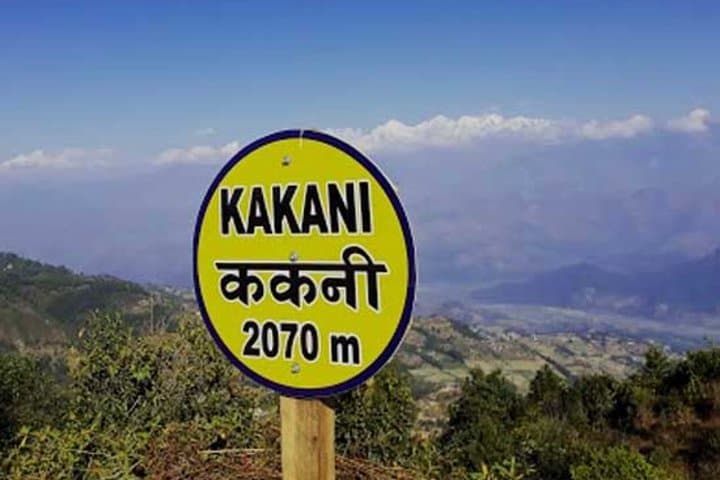
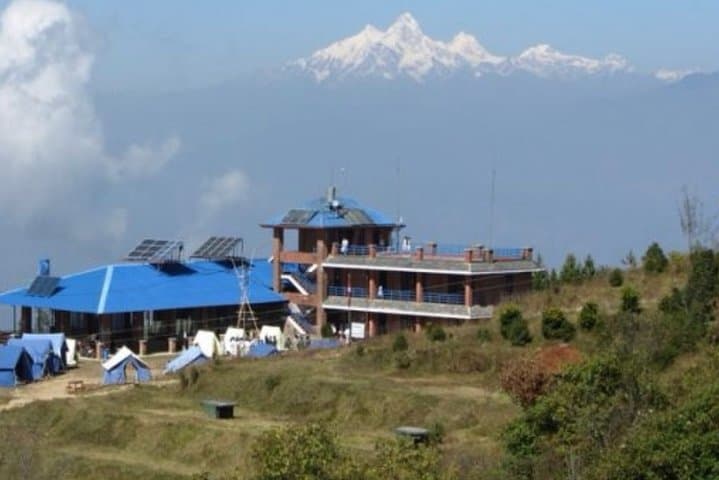
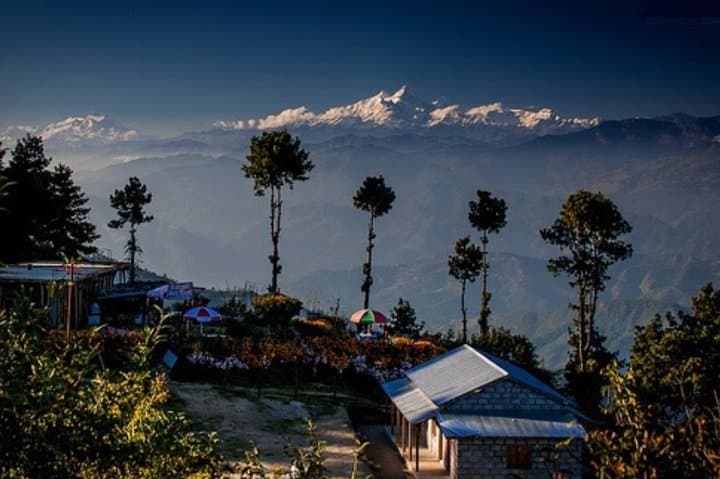
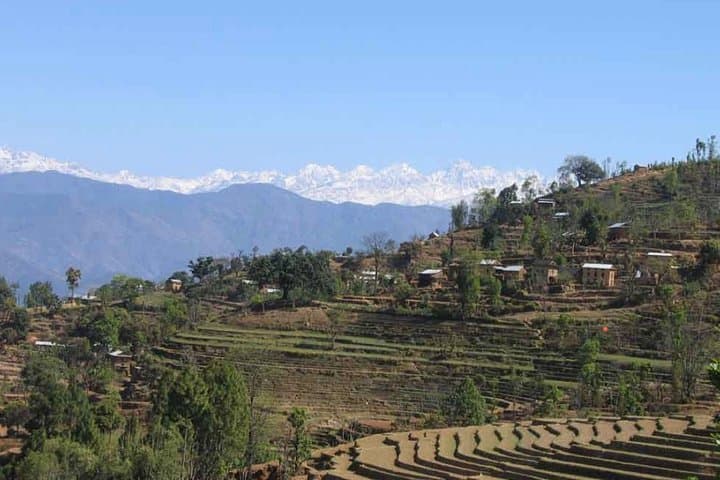
You step out of Kathmandu's bustle into cool, pine-scented air as the van climbs toward Kakani, the ridge opening like a page of the Himalayan foothills. Within an hour the city thins, terraced fields and low stone houses edging a gentle trail that leads to a broad viewpoint where Ganesh Himal and other peaks sit white and patient on the northern horizon.
Verified experiences and guided adventures in the surrounding area.
Operated by Arpan Nepal · Kakani, Bagmati Province
You step out of Kathmandu's bustle into cool, pine-scented air as the van climbs toward Kakani, the ridge opening like a page of the Himalayan foothills. Within an hour the city thins, terraced fields and low stone houses edging a gentle trail that leads to a broad viewpoint where Ganesh Himal and other peaks sit white and patient on the northern horizon.
Kakani is part of the low, forested spine that frames the Kathmandu Valley. Geologically it's a mix of young sedimentary and metamorphic rocks uplifted by the collision of the Indian and Eurasian plates—hence the dramatic, close-in mountain views. Historically, these ridgelines functioned as village commons and seasonal grazing grounds; local communities still grow millet, buckwheat and run small fruit orchards. Cultural snapshots arrive in the form of roadside tea stalls, a trout farm that serves fresh-caught meals, and farmhouses where a guide can explain Nepali rural life.
The day's hike is short—roughly three hours on marked footpaths and gentle climbs—making it accessible for most hikers seeking panoramic mountain light without technical gear. Expect mixed terrain: packed dirt, short stone steps, and forest tracks with occasional exposed roots. Bring layered clothing, water, sun protection and modest footwear; plan for morning light for the clearest views and softer temperatures.
Practical: private pickup and an English-speaking guide are usually included, and the route is suitable for families and beginners. Respect private farmland, carry out trash, and keep distance from livestock. With clear weather, Kakani delivers Himalayan panoramas and a compact, culturally rich walk that feels like a full-day escape from Kathmandu.
easy.
7–8 hours.
Suitable for most fitness levels; requires walking up to three hours on easy to moderate trails and comfortable with short climbs.
The guided day trip runs about 7–8 hours door-to-door with roughly three hours of walking on easy to moderate trails.
Most operators include private pickup from Kathmandu and an English-speaking guide; confirm when booking.
Many itineraries stop at the local rainbow trout farm for a fresh meal—check the tour details to confirm if lunch is provided.
Yes—terrain is not technical and the pace is gentle, but participants should be able to walk for a few hours and manage short uphill sections.
Kakani has long been a ridge used by nearby settlements for grazing and seasonal agriculture; its roadside tea stalls and farmhouses reflect traditional rural life outside Kathmandu.
Stick to established trails, avoid littering and support local vendors to minimize your footprint; the area benefits from low-impact day tourism rather than heavy infrastructure.
Arpan Nepal operates guided outdoor trips and adventures with an emphasis on safety, stewardship, and memorable experiences.
You step out of Kathmandu's bustle into cool, pine-scented air as the van climbs toward Kakani, the ridge opening like a page of the Himalayan foothills. Within an hour the city thins, terraced fields and low stone houses edging a gentle trail that leads to a broad viewpoint where Ganesh Himal and other peaks sit white and patient on the northern horizon.
You step out of Kathmandu's bustle into cool, pine-scented air as the van climbs toward Kakani, the ridge opening like a page of the Himalayan foothills. Within an hour the city thins, terraced fields and low stone houses edging a gentle trail that leads to a broad viewpoint where Ganesh Himal and other peaks sit white and patient on the northern horizon.
Kakani is part of the low, forested spine that frames the Kathmandu Valley. Geologically it's a mix of young sedimentary and metamorphic rocks uplifted by the collision of the Indian and Eurasian plates—hence the dramatic, close-in mountain views. Historically, these ridgelines functioned as village commons and seasonal grazing grounds; local communities still grow millet, buckwheat and run small fruit orchards. Cultural snapshots arrive in the form of roadside tea stalls, a trout farm that serves fresh-caught meals, and farmhouses where a guide can explain Nepali rural life.
The day's hike is short—roughly three hours on marked footpaths and gentle climbs—making it accessible for most hikers seeking panoramic mountain light without technical gear. Expect mixed terrain: packed dirt, short stone steps, and forest tracks with occasional exposed roots. Bring layered clothing, water, sun protection and modest footwear; plan for morning light for the clearest views and softer temperatures.
Practical: private pickup and an English-speaking guide are usually included, and the route is suitable for families and beginners. Respect private farmland, carry out trash, and keep distance from livestock. With clear weather, Kakani delivers Himalayan panoramas and a compact, culturally rich walk that feels like a full-day escape from Kathmandu.