THE ADVENTURE COLLECTIVE® · Independent discovery and booking for outdoor travel

Spend a day moving through Kathmandu’s living monuments — palace courtyards, a hilltop stupa, sacred river ghats and the valley’s largest Buddhist stupa. This guided loop covers four UNESCO World Heritage sites with private transport and a local guide.
Spend a day moving through Kathmandu’s living monuments — palace courtyards, a hilltop stupa, sacred river ghats and the valley’s largest Buddhist stupa. This guided loop covers four UNESCO World Heritage sites with private transport and a local guide.
You step from the car into a lane that opens like a living history book — prayer flags snapping, temple bells punctuating traffic noise, and vendors pushing steaming cups of chiya. This full-day sightseeing loop threads four UNESCO-listed sites across Kathmandu Valley: the royal courtyards of Kathmandu Durbar Square, the hilltop Swayambhunath (Monkey Temple), the riverside Pashupatinath, and the massive Boudhanath stupa.
Verified experiences and guided adventures in the surrounding area.
Operated by Himalayan Luxury Holidays Pvt. Ltd. · Kathmandu, Bagmati Province
You step from the car into a lane that opens like a living history book — prayer flags snapping, temple bells punctuating traffic noise, and vendors pushing steaming cups of chiya. This full-day sightseeing loop threads four UNESCO-listed sites across Kathmandu Valley: the royal courtyards of Kathmandu Durbar Square, the hilltop Swayambhunath (Monkey Temple), the riverside Pashupatinath, and the massive Boudhanath stupa.
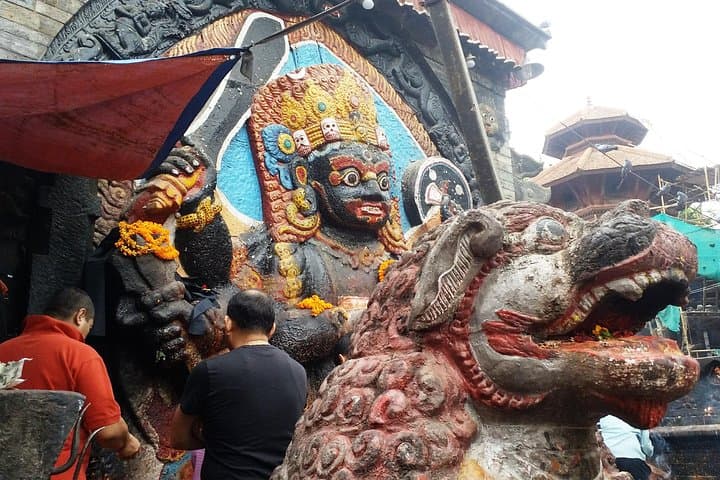
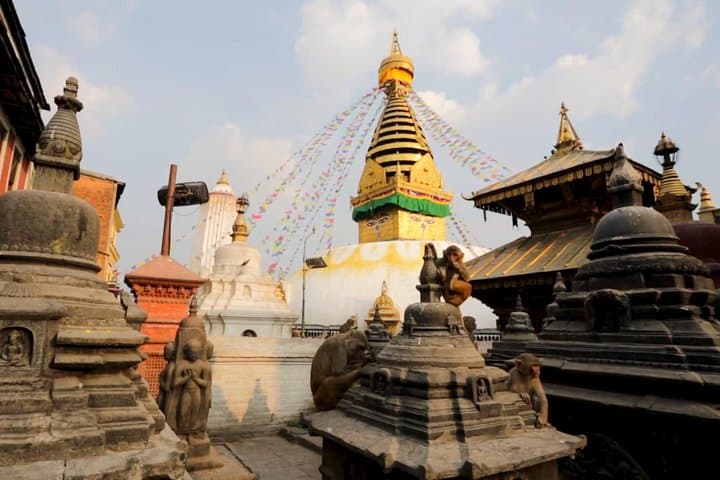
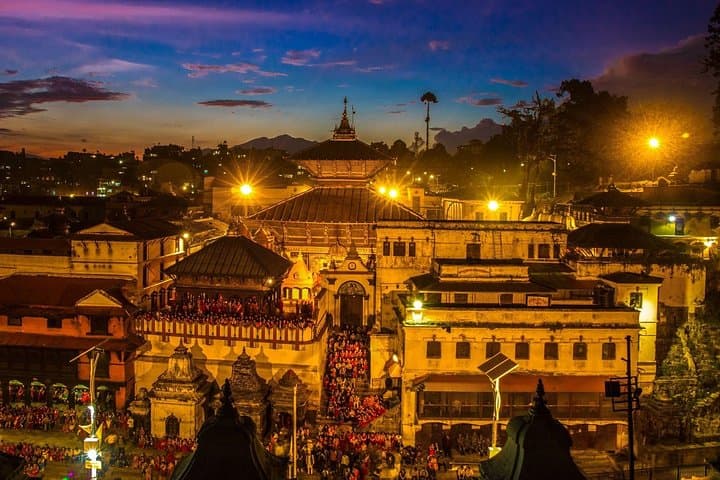
Each stop carries layers of culture and geology. Durbar Square showcases Newar woodcarving and palace architecture shaped over centuries; many structures bear scars from the 2015 earthquake and are in active repair. Swayambhu perches on an ancient volcanic mound and offers a sweeping view of the valley, while Boudhanath’s vast mandala reflects Tibetan Buddhist traditions that arrived via trade routes. Pashupatinath fronts the Bagmati River, where Hindu rites and cremation ghats remain an unvarnished, solemn part of daily life.
On a practical level, expect about six hours of easy walking with short climbs at Swayambhunath. Entrance fees are paid on site (roughly US$25 for most foreign visitors; lower rates for Indian nationals). Tours typically include hotel pickup, a local English-speaking guide, and private A/C transport, but bring cash in Nepali rupees for admissions, tips, and small purchases.
Wear modest clothing (shoulders and knees covered) for temple access, sturdy closed shoes for uneven courtyards, and a light layer for early morning or late afternoon breezes. Midday can be dusty; a dust mask and reusable water bottle help. Aim for early morning or late afternoon to avoid peak crowds and the harshest sun — the city rewards anyone willing to slow down and listen to its layered rhythms.
easy.
6 hours.
Suitable for most fitness levels; involves short walks, some stairs and brief climbs at Swayambhunath
No — entrance fees are typically paid on site in Nepali rupees; expect approximately US$25 for most foreign visitors and substantially lower fees for Indian nationals.
Access varies: Pashupatinath and parts of Boudhanath are relatively level, but Swayambhunath involves many steep steps; inquire about private transport and drop-off points when booking.
Photography is generally allowed at most sites but avoid photographing private rituals, mourners at cremation ghats, or inside some sanctums — always ask permission.
Early morning or late afternoon is best for cooler temperatures, softer light, and smaller crowds; mid-morning can be hottest and busiest.
Kathmandu has been a political and religious center for the Newar people for over a millennium; its major monuments reflect Hindu and Buddhist traditions shaped by trade with Tibet and South Asia.
Many monuments are under active restoration after the 2015 earthquake; visitors can help by staying on designated paths, avoiding offerings on floors, and minimizing single‑use plastics.
Himalayan Luxury Holidays Pvt. Ltd. operates guided outdoor trips and adventures with an emphasis on safety, stewardship, and memorable experiences.
You step from the car into a lane that opens like a living history book — prayer flags snapping, temple bells punctuating traffic noise, and vendors pushing steaming cups of chiya. This full-day sightseeing loop threads four UNESCO-listed sites across Kathmandu Valley: the royal courtyards of Kathmandu Durbar Square, the hilltop Swayambhunath (Monkey Temple), the riverside Pashupatinath, and the massive Boudhanath stupa.
You step from the car into a lane that opens like a living history book — prayer flags snapping, temple bells punctuating traffic noise, and vendors pushing steaming cups of chiya. This full-day sightseeing loop threads four UNESCO-listed sites across Kathmandu Valley: the royal courtyards of Kathmandu Durbar Square, the hilltop Swayambhunath (Monkey Temple), the riverside Pashupatinath, and the massive Boudhanath stupa.
Each stop carries layers of culture and geology. Durbar Square showcases Newar woodcarving and palace architecture shaped over centuries; many structures bear scars from the 2015 earthquake and are in active repair. Swayambhu perches on an ancient volcanic mound and offers a sweeping view of the valley, while Boudhanath’s vast mandala reflects Tibetan Buddhist traditions that arrived via trade routes. Pashupatinath fronts the Bagmati River, where Hindu rites and cremation ghats remain an unvarnished, solemn part of daily life.
On a practical level, expect about six hours of easy walking with short climbs at Swayambhunath. Entrance fees are paid on site (roughly US$25 for most foreign visitors; lower rates for Indian nationals). Tours typically include hotel pickup, a local English-speaking guide, and private A/C transport, but bring cash in Nepali rupees for admissions, tips, and small purchases.
Wear modest clothing (shoulders and knees covered) for temple access, sturdy closed shoes for uneven courtyards, and a light layer for early morning or late afternoon breezes. Midday can be dusty; a dust mask and reusable water bottle help. Aim for early morning or late afternoon to avoid peak crowds and the harshest sun — the city rewards anyone willing to slow down and listen to its layered rhythms.