THE ADVENTURE COLLECTIVE® · Independent discovery and booking for outdoor travel

Walk through Kathmandu’s living Buddhist landscape — from the monkey-strewn terraces of Swayambhunath to the monumental dome of Boudhanath and the meditative courtyards of Kopan. This full-day tour pairs cultural context with practical pacing for an immersive urban pilgrimage.
Walk through Kathmandu’s living Buddhist landscape — from the monkey-strewn terraces of Swayambhunath to the monumental dome of Boudhanath and the meditative courtyards of Kopan. This full-day tour pairs cultural context with practical pacing for an immersive urban pilgrimage.
You emerge from Kathmandu traffic into a rhythm of prayer flags and rotating prayer wheels — incense smoke drifting across courtyards as the city opens into high white domes and gilded faces. The Swayambhunath stupa crowns a low hill where monkeys test your shoelaces and the valley spreads beneath like a lived-in map. Later, Boudhanath’s vast mandala dome presses its calm into the air; kopan’s monastery offers quiet corridors and chanting that seems to slow a hurried heartbeat.
Verified experiences and guided adventures in the surrounding area.
Operated by icicles adventure treks and tours · Kathmandu, Bagmati Province
You emerge from Kathmandu traffic into a rhythm of prayer flags and rotating prayer wheels — incense smoke drifting across courtyards as the city opens into high white domes and gilded faces. The Swayambhunath stupa crowns a low hill where monkeys test your shoelaces and the valley spreads beneath like a lived-in map. Later, Boudhanath’s vast mandala dome presses its calm into the air; kopan’s monastery offers quiet corridors and chanting that seems to slow a hurried heartbeat.
The valley’s Buddhist sites span centuries: Swayambhu has origins tied to Licchhavi-era worship, Boudha grew as a Tibetan trading‑route shrine, and Kopan modernized as an international teaching center in the 20th century. Geologically the Kathmandu Basin is an uplifted lakebed ringed by ridges; the city’s temples often sit on these raised knolls, giving viewpoints that have guided pilgrims and traders for millennia.
Culturally you’ll see Newar artisans carving wooden struts, Tibetan monks in saffron and maroon, and pilgrims circumambulating stupas in a constant, deliberate flow. Respectful observation — removing shoes, quiet tones, leaving offerings in designated places — is part of the experience.
Practical guidance: expect 9–10 hours of gentle walking with stair sections (Swayambhu has steep stone steps; motor access is available). Wear sturdy walking shoes, bring sunscreen and a reusable bottle, and carry small local currency for donations and tea stalls. Start early for cooler light and fewer crowds; late afternoon brings rooftop views backlit by the Himalaya on clear days. The tour is wheelchair-accessible in parts, but steep approaches and uneven temple courtyards can limit access at some sites. Take your time: these are living sacred spaces, not just photo stops.
easy.
9–10 hours.
Light to moderate fitness for all-day urban walking; able to manage stair sections and uneven temple courtyards.
The tour runs about 9–10 hours, covering Swayambhunath, Boudhanath, Kopan and nearby shrines with breaks for food and photography.
Some temple compounds may ask for small donations; the tour listing notes admissions where applicable — check the booking inclusions for specifics.
Yes; the itinerary is suitable for most ages. Stairs and some uneven surfaces exist, but there are motor-access options and rest stops throughout the day.
Dress modestly (shoulders and knees covered) and wear non-slip shoes; bring a scarf to cover your head in certain shrines if you prefer extra respect.
Kathmandu Valley’s stupas and monasteries reflect centuries of Newar craftsmanship and the influence of Tibetan trade routes; many current forms date from Licchhavi and later Malla periods adapted through successive restorations.
Respect temple grounds by avoiding litter and sticking to marked paths; buying from local artisans and small cafés helps keep cultural crafts and communities economically sustainable.
icicles adventure treks and tours operates guided outdoor trips and adventures with an emphasis on safety, stewardship, and memorable experiences.
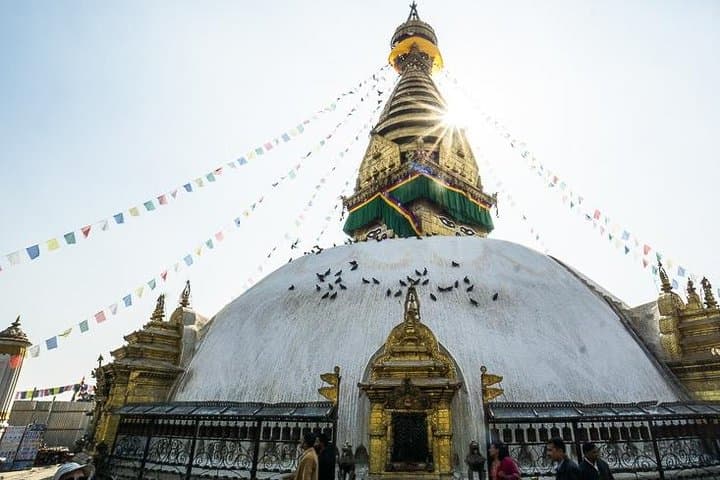
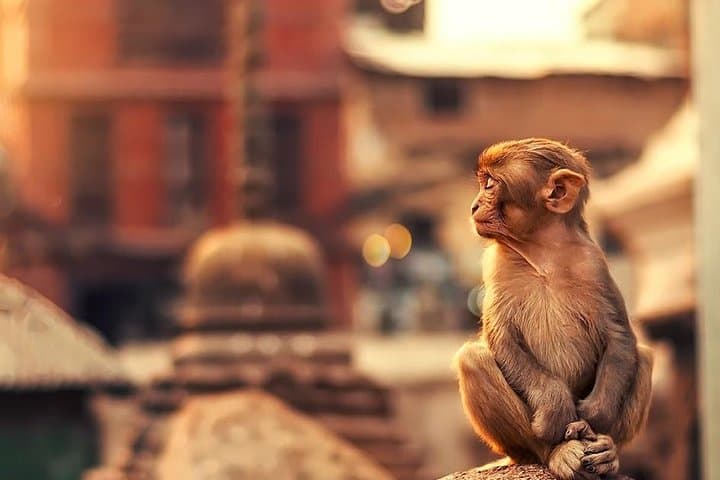
You emerge from Kathmandu traffic into a rhythm of prayer flags and rotating prayer wheels — incense smoke drifting across courtyards as the city opens into high white domes and gilded faces. The Swayambhunath stupa crowns a low hill where monkeys test your shoelaces and the valley spreads beneath like a lived-in map. Later, Boudhanath’s vast mandala dome presses its calm into the air; kopan’s monastery offers quiet corridors and chanting that seems to slow a hurried heartbeat.
You emerge from Kathmandu traffic into a rhythm of prayer flags and rotating prayer wheels — incense smoke drifting across courtyards as the city opens into high white domes and gilded faces. The Swayambhunath stupa crowns a low hill where monkeys test your shoelaces and the valley spreads beneath like a lived-in map. Later, Boudhanath’s vast mandala dome presses its calm into the air; kopan’s monastery offers quiet corridors and chanting that seems to slow a hurried heartbeat.
The valley’s Buddhist sites span centuries: Swayambhu has origins tied to Licchhavi-era worship, Boudha grew as a Tibetan trading‑route shrine, and Kopan modernized as an international teaching center in the 20th century. Geologically the Kathmandu Basin is an uplifted lakebed ringed by ridges; the city’s temples often sit on these raised knolls, giving viewpoints that have guided pilgrims and traders for millennia.
Culturally you’ll see Newar artisans carving wooden struts, Tibetan monks in saffron and maroon, and pilgrims circumambulating stupas in a constant, deliberate flow. Respectful observation — removing shoes, quiet tones, leaving offerings in designated places — is part of the experience.
Practical guidance: expect 9–10 hours of gentle walking with stair sections (Swayambhu has steep stone steps; motor access is available). Wear sturdy walking shoes, bring sunscreen and a reusable bottle, and carry small local currency for donations and tea stalls. Start early for cooler light and fewer crowds; late afternoon brings rooftop views backlit by the Himalaya on clear days. The tour is wheelchair-accessible in parts, but steep approaches and uneven temple courtyards can limit access at some sites. Take your time: these are living sacred spaces, not just photo stops.