THE ADVENTURE COLLECTIVE® · Independent discovery and booking for outdoor travel

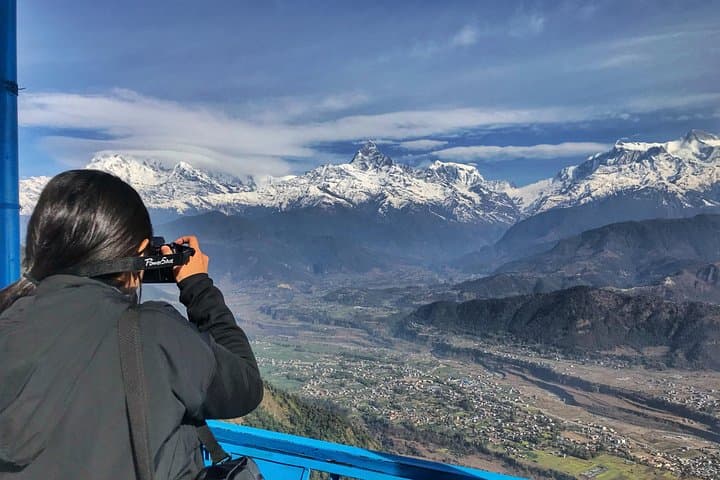
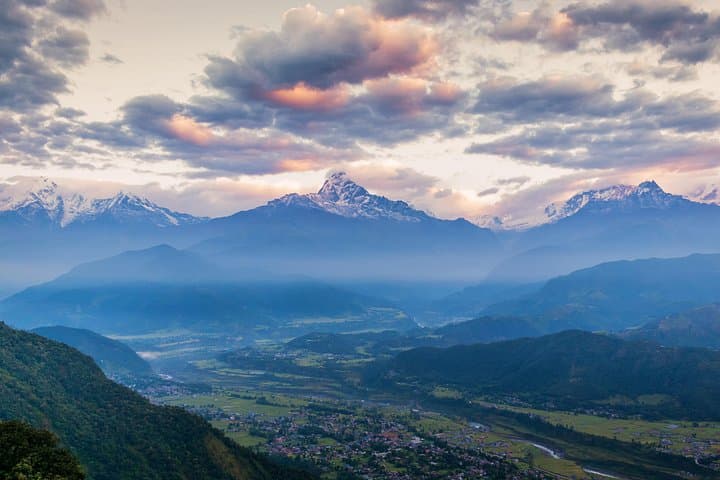
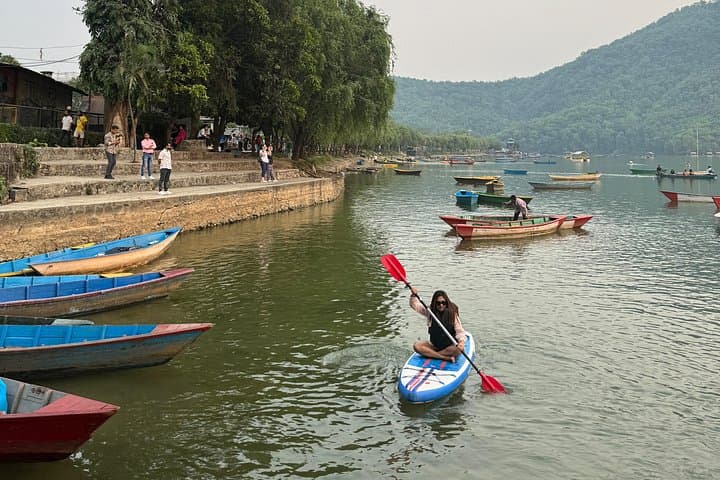
See ancient temples in Kathmandu, chase sunrise over the Annapurna range from Sarangkot, and glide across Phewa Lake on a relaxed six‑day circuit. This tour blends culture, scenery and easy adventure with practical pacing for first‑time Nepal visitors.
See ancient temples in Kathmandu, chase sunrise over the Annapurna range from Sarangkot, and glide across Phewa Lake on a relaxed six‑day circuit. This tour blends culture, scenery and easy adventure with practical pacing for first‑time Nepal visitors.
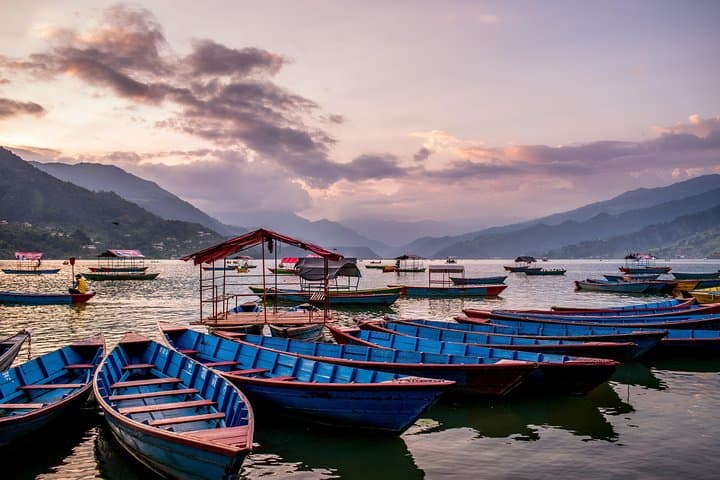
You step off the road into a slice of the Himalaya where prayer flags catch the breeze and the outline of Annapurna and Fishtail pierce the morning light. In Pokhara the calm surface of Phewa Lake reflects prayer wheels and mountain faces; in Kathmandu the crowded alleys open onto plazas where priests and vendors compete for attention.
Verified experiences and guided adventures in the surrounding area.
Operated by KJ Adventure Nepal Private Limited · Kathmandu, Bagmati Province
You step off the road into a slice of the Himalaya where prayer flags catch the breeze and the outline of Annapurna and Fishtail pierce the morning light. In Pokhara the calm surface of Phewa Lake reflects prayer wheels and mountain faces; in Kathmandu the crowded alleys open onto plazas where priests and vendors compete for attention.
Kathmandu’s Durbar Square, Pashupatinath and Boudhanath map centuries of Nepalese religion and royalty; their mixed Hindu-Buddhist architecture shows a history of syncretism and artisan guilds. Geologically the route between cities climbs from the Kathmandu Valley’s bowl to terraced mid-hills and then down to Pokhara’s lake basin — a visible cross-section of Himalayan uplift and recent river carving.
Local culture moves at two speeds: slow ritual at a stupa and brisk bargaining in Thamel markets. Expect friendly guides, lacquered wood temples, and the sudden roar of traffic when you return to the highway.
Practical guidance: plan early starts for Sarangkot sunrise, bring layered clothing for temperatures that swing widely between dawn and midday, and carry local currency for small admissions and teahouse purchases. Roads between Kathmandu and Pokhara are scenic but long (about 5–6 hours); if you’re prone to motion sickness, prepare accordingly. Altitude here is moderate — no technical acclimatization required — yet hydration and a steady pace will keep you comfortable.
This 6‑day loop balances culture, soft adventure and easy walking, offering peaks of mountain light, river-side rituals and a chance to slow down in one of the most varied landscapes on Earth.
easy.
6 days.
Light to moderate fitness; comfortable with several hours of walking over uneven urban and lakeside paths and long drives.
No high-altitude passes are involved; Kathmandu (1,300 m) and Pokhara (910 m) are moderate elevations, so severe altitude sickness is unlikely for most travelers.
The tour includes 3-star BB accommodation in Kathmandu and Pokhara plus a farewell dinner; breakfasts are provided and select sightseeing fees are included.
Expect about 5–6 hours via the Prithvi Highway depending on traffic and stops; flights are available separately for a shorter transfer.
This is a guided private tour with an English-speaking guide included, which helps with temple protocols, local insights and logistics—useful in busy markets and at sacred sites.
Kathmandu Valley was a medieval cultural and trade crossroads; many squares and stupas preserve artisan traditions that date back a thousand years.
Tourism pressure and air pollution affect valley heritage and visibility—choose local guides, avoid single-use plastics, and support community-run museums and conservation initiatives.
KJ Adventure Nepal Private Limited operates guided outdoor trips and adventures with an emphasis on safety, stewardship, and memorable experiences.
You step off the road into a slice of the Himalaya where prayer flags catch the breeze and the outline of Annapurna and Fishtail pierce the morning light. In Pokhara the calm surface of Phewa Lake reflects prayer wheels and mountain faces; in Kathmandu the crowded alleys open onto plazas where priests and vendors compete for attention.
You step off the road into a slice of the Himalaya where prayer flags catch the breeze and the outline of Annapurna and Fishtail pierce the morning light. In Pokhara the calm surface of Phewa Lake reflects prayer wheels and mountain faces; in Kathmandu the crowded alleys open onto plazas where priests and vendors compete for attention.
Kathmandu’s Durbar Square, Pashupatinath and Boudhanath map centuries of Nepalese religion and royalty; their mixed Hindu-Buddhist architecture shows a history of syncretism and artisan guilds. Geologically the route between cities climbs from the Kathmandu Valley’s bowl to terraced mid-hills and then down to Pokhara’s lake basin — a visible cross-section of Himalayan uplift and recent river carving.
Local culture moves at two speeds: slow ritual at a stupa and brisk bargaining in Thamel markets. Expect friendly guides, lacquered wood temples, and the sudden roar of traffic when you return to the highway.
Practical guidance: plan early starts for Sarangkot sunrise, bring layered clothing for temperatures that swing widely between dawn and midday, and carry local currency for small admissions and teahouse purchases. Roads between Kathmandu and Pokhara are scenic but long (about 5–6 hours); if you’re prone to motion sickness, prepare accordingly. Altitude here is moderate — no technical acclimatization required — yet hydration and a steady pace will keep you comfortable.
This 6‑day loop balances culture, soft adventure and easy walking, offering peaks of mountain light, river-side rituals and a chance to slow down in one of the most varied landscapes on Earth.