
12-Day Everest Base Camp Trek: Lukla to Kala Patthar High-Altitude Journey
Fly into Lukla and follow a high-altitude trail through Sherpa villages, rhododendron forests, and glacial moraines to Everest Base Camp and Kala Patthar. This 12-day itinerary balances acclimatization with summit views of Everest and its neighboring giants.
An Adventure In Kathmandu.
Fly into Lukla and follow a high-altitude trail through Sherpa villages, rhododendron forests, and glacial moraines to Everest Base Camp and Kala Patthar. This 12-day itinerary balances acclimatization with summit views of Everest and its neighboring giants.
Read the full experience
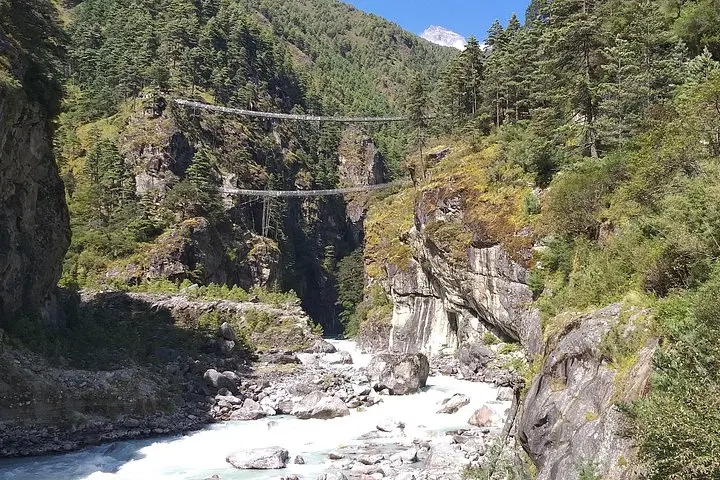
Dawn breaks over the Khumbu and the trail to Everest Base Camp unspools like a rope of stone and prayer flags. Trekkers leave the buzz of Kathmandu behind with a short, dramatic flight into Lukla, then step into a landscape where the forest thins, rivers dare you across suspension bridges, and villages perch on steep benches under snow-capped giants.
Dawn breaks over the Khumbu and the trail to Everest Base Camp unspools like a rope of stone and prayer flags. Trekkers leave the buzz of Kathmandu behind with a short, dramatic flight into Lukla, then step into a landscape where the forest thins, rivers dare you across suspension bridges, and villages perch on steep benches under snow-capped giants.
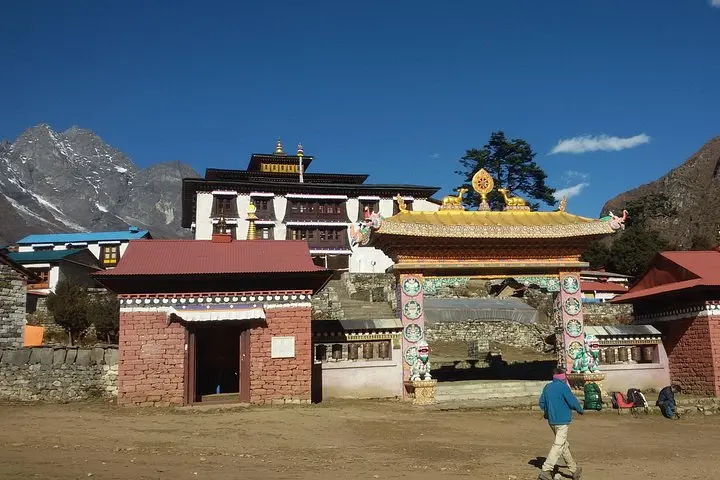
The route threads Sagarmatha National Park, a UNESCO-protected zone created to conserve alpine forests and the high Himalayan ecology. Geologically the valley is young: uplifted plates and glacial flow carve moraines and sharp ridgelines. Culturally the trail is Sherpa country—Tengboche monastery, Khumjung’s Hillary school, and mani walls mark a heritage tied to Tibetan Buddhism and mountaineering support communities.
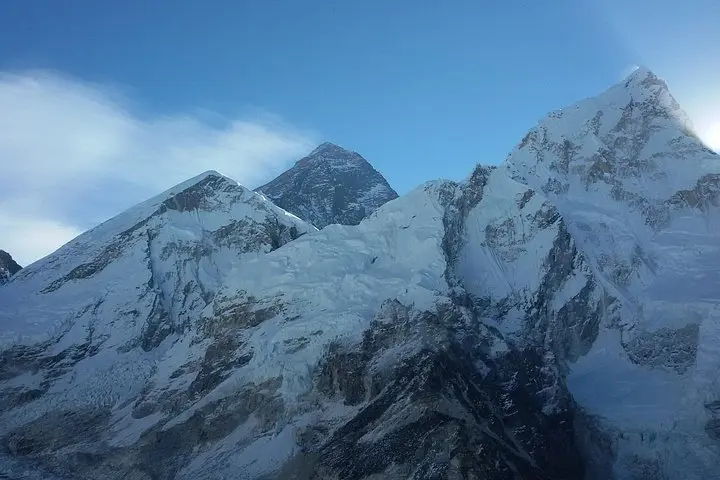
Expect 10–7 hour trekking days in thin air, alternating lodge nights with acclimatization stops in Namche and Dingboche. Highlights are Gorak Shep’s stark moraine, the long walk to EBC at ~5,364 m, and Kala Patthar’s sunrise panorama where Everest crowns the horizon. Wildlife—blue sheep and yak herds—dot lower slopes; stone and wind shape the high alpine into sharp, honest terrain.
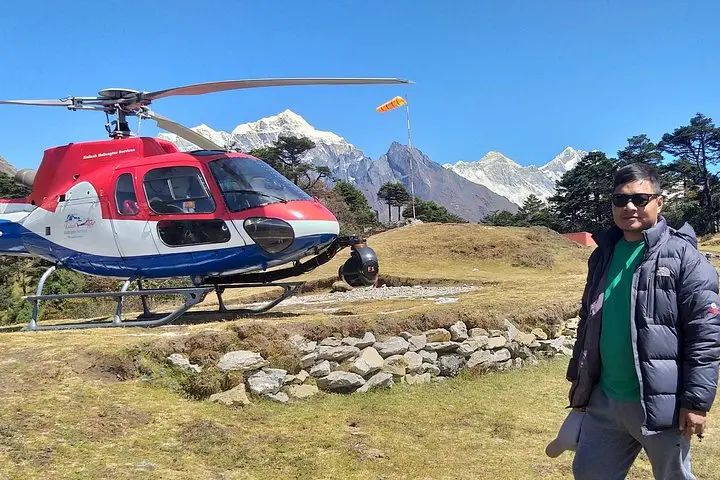
Practical notes: build altitude acclimatization into your plan, carry layered insulation and a water-treatment method, and book Lukla flights early. Lodges provide hot meals but expect simple comforts and communal dining. Emergency helicopter evacuation is possible but costly—confirm travel insurance and fitness before you go.
Frequently asked questions
Prior multi-day trekking experience is strongly recommended; while technical climbing isn’t required, you must be prepared for long days and altitude.
Pre-monsoon spring (March–May) and post-monsoon autumn (September–November) offer the most stable weather and clearer mountain views.
Yes—Sagarmatha National Park permits and TIMS are mandatory, and hiring a licensed guide is standard for safety and logistics.
Helicopter evacuation is available from the region but expensive; comprehensive travel insurance covering high-altitude rescue is essential.
About This Experience
Everest Trekking Routes Pvt. Ltd. operates guided outdoor trips and adventures with an emphasis on safety, stewardship, and memorable experiences.
Adventure tips
Recommended gear
- Insulated down jacket: Warmth during cold nights and high-altitude mornings is critical for safety and comfort.
- Sturdy trekking boots (waterproof): Support and traction on rocky, icy, and muddy trails protect ankles and conserve energy.
- Hydration system + water treatment: A 2–3L bladder plus tablets or filter ensures safe drinking water when lodge supplies vary.
- Sleeping bag (rated -10°C / 14°F or lower): High-altitude lodges can be very cold—an appropriate sleeping bag keeps nights restful for recovery.
Photos of the experience
Related adventures & guides
Read the full experience
Dawn breaks over the Khumbu and the trail to Everest Base Camp unspools like a rope of stone and prayer flags. Trekkers leave the buzz of Kathmandu behind with a short, dramatic flight into Lukla, then step into a landscape where the forest thins, rivers dare you across suspension bridges, and villages perch on steep benches under snow-capped giants.
Dawn breaks over the Khumbu and the trail to Everest Base Camp unspools like a rope of stone and prayer flags. Trekkers leave the buzz of Kathmandu behind with a short, dramatic flight into Lukla, then step into a landscape where the forest thins, rivers dare you across suspension bridges, and villages perch on steep benches under snow-capped giants.
The route threads Sagarmatha National Park, a UNESCO-protected zone created to conserve alpine forests and the high Himalayan ecology. Geologically the valley is young: uplifted plates and glacial flow carve moraines and sharp ridgelines. Culturally the trail is Sherpa country—Tengboche monastery, Khumjung’s Hillary school, and mani walls mark a heritage tied to Tibetan Buddhism and mountaineering support communities.
Expect 10–7 hour trekking days in thin air, alternating lodge nights with acclimatization stops in Namche and Dingboche. Highlights are Gorak Shep’s stark moraine, the long walk to EBC at ~5,364 m, and Kala Patthar’s sunrise panorama where Everest crowns the horizon. Wildlife—blue sheep and yak herds—dot lower slopes; stone and wind shape the high alpine into sharp, honest terrain.
Practical notes: build altitude acclimatization into your plan, carry layered insulation and a water-treatment method, and book Lukla flights early. Lodges provide hot meals but expect simple comforts and communal dining. Emergency helicopter evacuation is possible but costly—confirm travel insurance and fitness before you go.
Make a day of it nearby.
Verified experiences and guided adventures in the surrounding area.