THE ADVENTURE COLLECTIVE® · Independent discovery and booking for outdoor travel

Walk Katara’s seaside arcades and amphitheatre on a focused two‑hour tour that pairs Qatari architectural motifs with active arts programming. Practical advice on timing, dress and what to expect from galleries and outdoor spaces.
Walk Katara’s seaside arcades and amphitheatre on a focused two‑hour tour that pairs Qatari architectural motifs with active arts programming. Practical advice on timing, dress and what to expect from galleries and outdoor spaces.
A breeze off the Persian Gulf lifts the heat and carries the city's bustle away as you step through the broad stone gateways of Katara Cultural Village.
Verified experiences and guided adventures in the surrounding area.
Operated by Oman Day Tours · Doha, Doha
A breeze off the Persian Gulf lifts the heat and carries the city's bustle away as you step through the broad stone gateways of Katara Cultural Village.
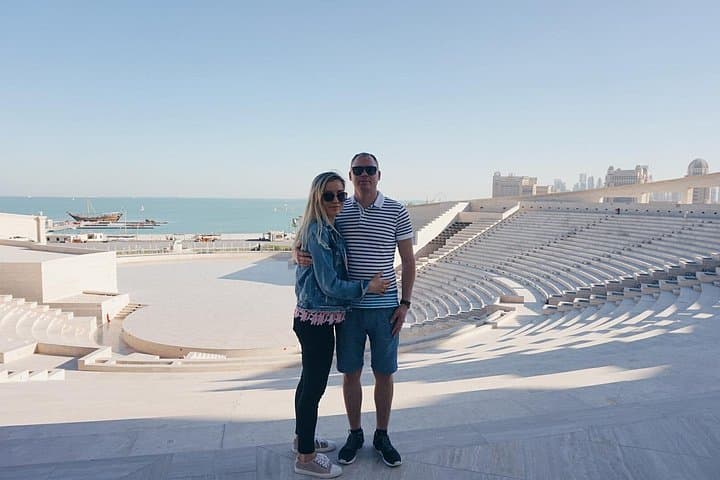
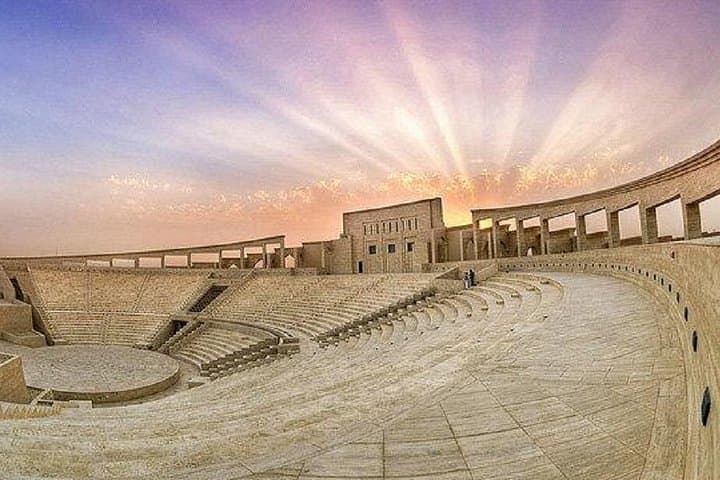
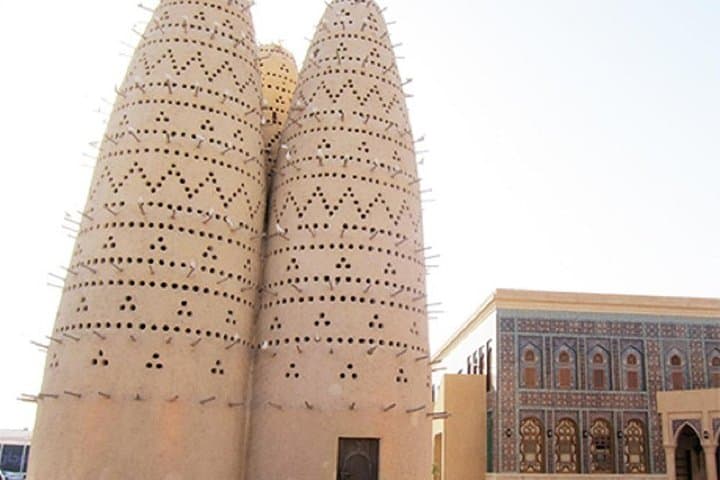
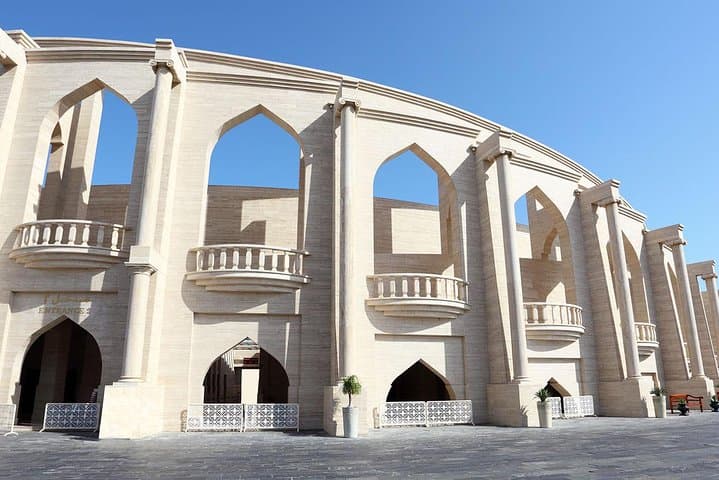
The village unfolds along a seawall—open plazas, shaded arcades, an amphitheatre that leans toward the water as if listening. Buildings wear deliberate traditional motifs: wind towers, arched colonnades and carved details that reference Gulf vernacular while lining up with late‑Victorian ornament on the Opera House. The result is a place where craft, performance and public life meet the coast.
Katara is a recent cultural project in Doha, developed in the 2000s to concentrate arts venues, galleries and performance spaces outside the modern glass towers. Geologically the shoreline here is reclaimed coast and imported fill; the seafront exposes curving promenades and tidal pools that attract shorebirds and city walkers. Cultural life is active—exhibitions, concerts and open‑air markets ebb and flow through the year, giving visitors a rotating program rather than a single attraction.
Practically, a typical visit is two hours of easy walking on paved paths with occasional steps and ramps. Wear sturdy shoes for mixed surfaces, bring sun protection and a refillable water bottle; the sun can be intense mid‑day. Evenings are cooler and offer better photography, while mornings are quieter for galleries and cafes.
Respect local customs: modest dress is expected in public spaces and during religious observances. Many venues are free to enter, but specific exhibitions or performances may require tickets. Katara rewards patient observation—small courtyards, artisan studios and waterfront views reveal the neighborhood’s quieter layers.
easy.
2 hours.
Light walking fitness; mostly paved surfaces with short ramps and steps suitable for casual walkers
The outdoor village and promenades are free to enter; select venues, exhibitions and the Opera House may charge admission or require advance tickets.
Plan two hours for a focused walk that visits major plazas, the amphitheatre and a gallery or two; half‑day visits allow time for exhibitions and a meal.
Major plazas, the waterfront and many galleries are ramped and accessible, though some historic‑style steps and narrow alleys may be challenging—check specific venue accessibility in advance.
October through April offer mild temperatures; late afternoon and evening visits provide cooler conditions and better light for photos.
Katara was developed in the 2000s as Doha’s dedicated cultural district, designed to showcase regional arts, festivals and performance outside the high‑rise business districts.
The coastal site is sensitive; visitors should avoid disturbing shoreline life, use bins provided for waste and support venues that follow sustainable event practices.
Oman Day Tours operates guided outdoor trips and adventures with an emphasis on safety, stewardship, and memorable experiences.
A breeze off the Persian Gulf lifts the heat and carries the city's bustle away as you step through the broad stone gateways of Katara Cultural Village.
A breeze off the Persian Gulf lifts the heat and carries the city's bustle away as you step through the broad stone gateways of Katara Cultural Village.
The village unfolds along a seawall—open plazas, shaded arcades, an amphitheatre that leans toward the water as if listening. Buildings wear deliberate traditional motifs: wind towers, arched colonnades and carved details that reference Gulf vernacular while lining up with late‑Victorian ornament on the Opera House. The result is a place where craft, performance and public life meet the coast.
Katara is a recent cultural project in Doha, developed in the 2000s to concentrate arts venues, galleries and performance spaces outside the modern glass towers. Geologically the shoreline here is reclaimed coast and imported fill; the seafront exposes curving promenades and tidal pools that attract shorebirds and city walkers. Cultural life is active—exhibitions, concerts and open‑air markets ebb and flow through the year, giving visitors a rotating program rather than a single attraction.
Practically, a typical visit is two hours of easy walking on paved paths with occasional steps and ramps. Wear sturdy shoes for mixed surfaces, bring sun protection and a refillable water bottle; the sun can be intense mid‑day. Evenings are cooler and offer better photography, while mornings are quieter for galleries and cafes.
Respect local customs: modest dress is expected in public spaces and during religious observances. Many venues are free to enter, but specific exhibitions or performances may require tickets. Katara rewards patient observation—small courtyards, artisan studios and waterfront views reveal the neighborhood’s quieter layers.