THE ADVENTURE COLLECTIVE® · Independent discovery and booking for outdoor travel

Handle authentic katanas under the eye of a Kyoto sensei in a private, hour-long appointment. Learn about forging, provenance, and export logistics while selecting a blade with expert translation and shipping support.
Handle authentic katanas under the eye of a Kyoto sensei in a private, hour-long appointment. Learn about forging, provenance, and export logistics while selecting a blade with expert translation and shipping support.
The first glimpse inside a Kyoto dojo is tactile: lacquered wood floor, slow breath of oil and steel, and a line of blades catching light like held memories.
Verified experiences and guided adventures in the surrounding area.
Operated by Yushinkan Co., Ltd. (株式会社勇進舘) SETO Yushin · Kyoto, Kyoto
The first glimpse inside a Kyoto dojo is tactile: lacquered wood floor, slow breath of oil and steel, and a line of blades catching light like held memories.
This private, hour-long appointment pairs you with a Kyoto sensei who evaluates katana quality and explains forging traditions born in Japan’s feudal era. Kyoto was long the imperial capital and a center for artisan craft; the swords you’ll handle reflect centuries of metallurgy—folded steel for a hard, sharp edge and a tempered hamon (edge pattern) that signals authentic heat treatment.
Beyond metallurgy, the experience sits inside Kyoto’s living culture: shopfronts near old temple streets, the Nishijin weaving district’s quiet lanes, and a local rhythm that values ceremony and respectful exchange. Expect translation help, a ¥3,000 deposit to hold your slot, and assistance with international shipping—though some countries restrict import of edged weapons.
Practically: appointments are limited to one per day and are reservation-only; reply promptly to messaging. Bring government ID for purchase and export paperwork, and review your country’s customs rules before committing. The visit involves light walking and standing, careful handling of blades, and time to discuss provenance and care with a teacher.
For travelers, pair this visit with a tour of nearby craft shops and a quiet temple visit to set the mood. Treat the purchase as both a collectible and a cultural object—expect paperwork, potential shipping delays, and deep provenance questions. This is a focused, hands-on cultural buying experience more than a typical souvenir stop.
easy.
1 hour.
Suitable for all physical fitness levels; involves light standing and minimal walking
Hosts can often arrange shipping, but final approval depends on your country’s import laws—confirm restrictions before purchase.
The deposit secures your appointment; refund policy is handled directly with the host and follows their cancellation terms.
No special permit is required to buy domestically, but export and import paperwork is necessary when shipping internationally.
Many katana available for collectors are finished and sharp; sellers will explain blade condition and intended use—collectible vs. functional.
Kyoto was Japan’s imperial capital and a long-standing center for crafts; swordsmithing traditions were refined across prefectures and remain culturally significant.
Respect cultural heritage by preferring swords with clear provenance; follow local export regulations and ask about sustainable practices in restoration and shipping.
Yushinkan Co., Ltd. (株式会社勇進舘) SETO Yushin operates guided outdoor trips and adventures with an emphasis on safety, stewardship, and memorable experiences.
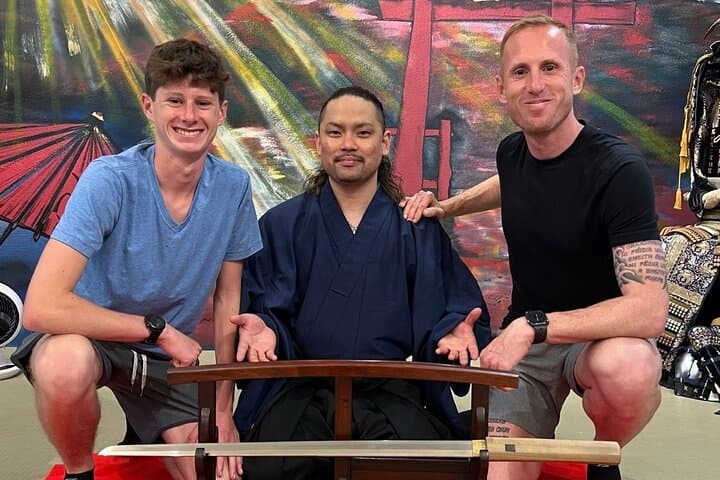
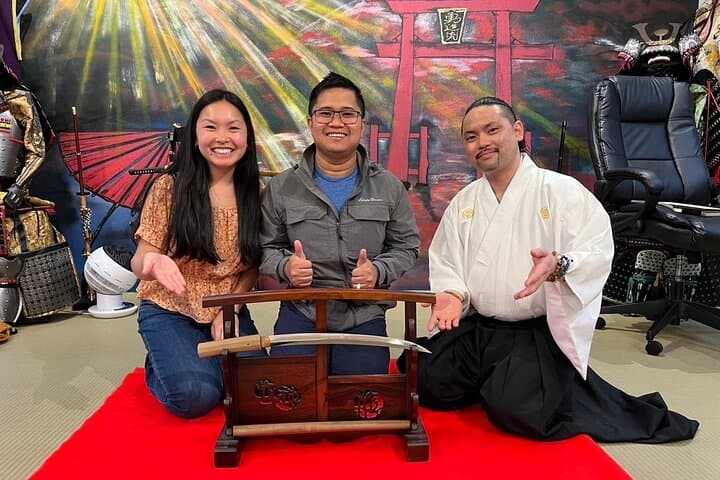
The first glimpse inside a Kyoto dojo is tactile: lacquered wood floor, slow breath of oil and steel, and a line of blades catching light like held memories.
The first glimpse inside a Kyoto dojo is tactile: lacquered wood floor, slow breath of oil and steel, and a line of blades catching light like held memories.
This private, hour-long appointment pairs you with a Kyoto sensei who evaluates katana quality and explains forging traditions born in Japan’s feudal era. Kyoto was long the imperial capital and a center for artisan craft; the swords you’ll handle reflect centuries of metallurgy—folded steel for a hard, sharp edge and a tempered hamon (edge pattern) that signals authentic heat treatment.
Beyond metallurgy, the experience sits inside Kyoto’s living culture: shopfronts near old temple streets, the Nishijin weaving district’s quiet lanes, and a local rhythm that values ceremony and respectful exchange. Expect translation help, a ¥3,000 deposit to hold your slot, and assistance with international shipping—though some countries restrict import of edged weapons.
Practically: appointments are limited to one per day and are reservation-only; reply promptly to messaging. Bring government ID for purchase and export paperwork, and review your country’s customs rules before committing. The visit involves light walking and standing, careful handling of blades, and time to discuss provenance and care with a teacher.
For travelers, pair this visit with a tour of nearby craft shops and a quiet temple visit to set the mood. Treat the purchase as both a collectible and a cultural object—expect paperwork, potential shipping delays, and deep provenance questions. This is a focused, hands-on cultural buying experience more than a typical souvenir stop.