THE ADVENTURE COLLECTIVE® · Independent discovery and booking for outdoor travel

When the beach goes dark, Kata’s reef becomes a theater for macro life. This single-beach night dive offers close encounters with nudibranchs, shrimps and ambush predators—ideal for certified divers with a camera and a steady torch.
When the beach goes dark, Kata’s reef becomes a theater for macro life. This single-beach night dive offers close encounters with nudibranchs, shrimps and ambush predators—ideal for certified divers with a camera and a steady torch.
The beach goes dark and the ocean takes over—when you step off Kata's sand with a torch in hand the reef becomes a different world. Night dissolves surface traffic and the coral wakes: shrimp tails flick, brittle stars unfurl, and tiny nudibranchs parade in the glare of your beam. This is a beach-entry night dive that rewards patience and a steady camera.
Verified experiences and guided adventures in the surrounding area.
Operated by Phuket Dive Tours · Kata Beach, Phuket Province
The beach goes dark and the ocean takes over—when you step off Kata's sand with a torch in hand the reef becomes a different world. Night dissolves surface traffic and the coral wakes: shrimp tails flick, brittle stars unfurl, and tiny nudibranchs parade in the glare of your beam. This is a beach-entry night dive that rewards patience and a steady camera.
Kata Beach sits on Phuket's western shore, a stretch of sand fronting reefs shaped by shallow shelf limestone and seasonal currents. Local fishing villages gave way to tourism in the late 20th century, but the underwater terrain still holds the small-reef complexity that macro photographers prize: the Reef, the Cubes (concrete block reefs), the Sand and the Corner each host different communities. Diving here is practical—no long boat runs—and historically it's been a training ground for Southeast Asia's macro specialists.
Expect a 2-hour experience that includes kit-up, safety brief and a single night dive; operators commonly supply a 12L cylinder and weights. Conditions are calmer October–May and visibility can range from modest to clear depending on tides and moon. Bring a dedicated dive light, check your certification and recent dive history (you must have dived in the last six months), and set up camera seals and strobes before entry.
Practical tips: manage your beam to avoid bleaching corals with intense light, use a reel or reference line on sand patches, and pace your breathing to stay relaxed in low visibility. Night diving at Kata is intimate and often crowded with tiny life—observe quietly and the reef will reveal its best secrets.
moderate.
2 hours.
Moderate fitness required: comfortable swimming, ability to carry gear and perform basic buddy skills
Yes. You must hold a valid scuba certification and have logged a dive within the last six months; operators will ask to see your card and logbook.
Most operators include a 12L scuba cylinder, weights and belt; ask whether torch rental, transfers or photography services are extra.
Kata is known for macro species—nudibranchs, shrimp, pipefish, ghost pipefish and small cephalopods are commonly sighted at night.
Yes, when diving with a reputable operator: briefings, buddy checks and controlled beach entries keep risks low; disclose medical issues beforehand.
Kata's shoreline transitioned from fishing villages to a tourist hub in the late 20th century, but its shallow shelf reefs remain rich in small-reef habitats.
Coral communities here face warming and physical damage; divers are encouraged to use reef-safe sunscreen, avoid contact and support local marine protection efforts.
Phuket Dive Tours operates guided outdoor trips and adventures with an emphasis on safety, stewardship, and memorable experiences.
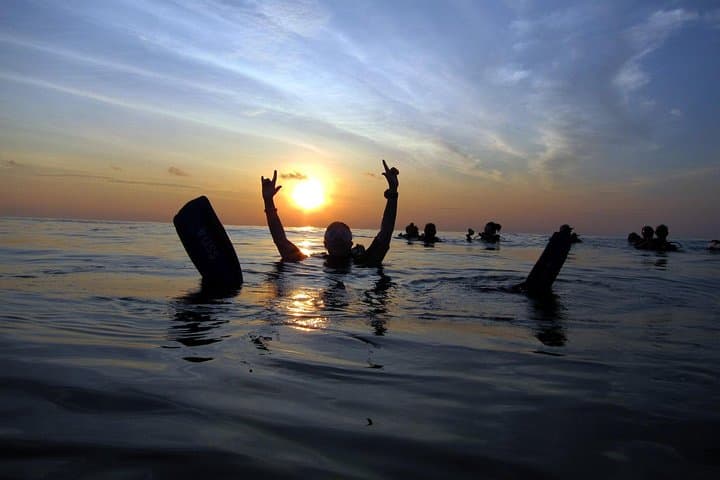
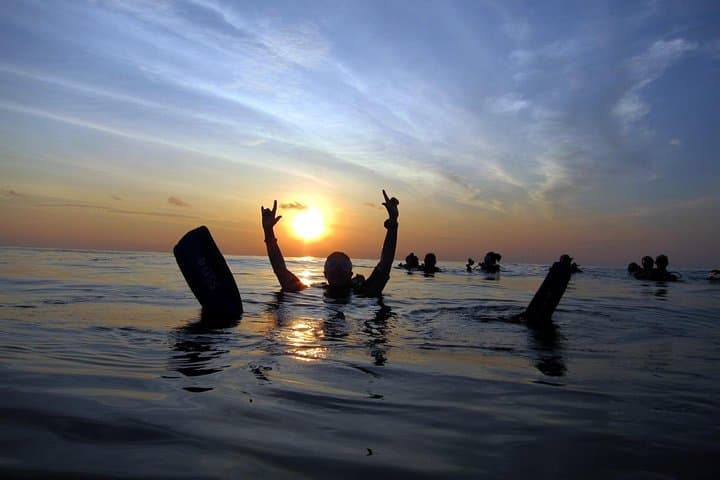
The beach goes dark and the ocean takes over—when you step off Kata's sand with a torch in hand the reef becomes a different world. Night dissolves surface traffic and the coral wakes: shrimp tails flick, brittle stars unfurl, and tiny nudibranchs parade in the glare of your beam. This is a beach-entry night dive that rewards patience and a steady camera.
The beach goes dark and the ocean takes over—when you step off Kata's sand with a torch in hand the reef becomes a different world. Night dissolves surface traffic and the coral wakes: shrimp tails flick, brittle stars unfurl, and tiny nudibranchs parade in the glare of your beam. This is a beach-entry night dive that rewards patience and a steady camera.
Kata Beach sits on Phuket's western shore, a stretch of sand fronting reefs shaped by shallow shelf limestone and seasonal currents. Local fishing villages gave way to tourism in the late 20th century, but the underwater terrain still holds the small-reef complexity that macro photographers prize: the Reef, the Cubes (concrete block reefs), the Sand and the Corner each host different communities. Diving here is practical—no long boat runs—and historically it's been a training ground for Southeast Asia's macro specialists.
Expect a 2-hour experience that includes kit-up, safety brief and a single night dive; operators commonly supply a 12L cylinder and weights. Conditions are calmer October–May and visibility can range from modest to clear depending on tides and moon. Bring a dedicated dive light, check your certification and recent dive history (you must have dived in the last six months), and set up camera seals and strobes before entry.
Practical tips: manage your beam to avoid bleaching corals with intense light, use a reel or reference line on sand patches, and pace your breathing to stay relaxed in low visibility. Night diving at Kata is intimate and often crowded with tiny life—observe quietly and the reef will reveal its best secrets.