THE ADVENTURE COLLECTIVE® · Independent discovery and booking for outdoor travel

Escape the crowds on a guided ascent of Table Mountain via Kasteelspoort. This intimate 5‑hour hike from Camps Bay mixes steep ravines, fynbos close-ups, and summit views with local history and expert guiding.
Escape the crowds on a guided ascent of Table Mountain via Kasteelspoort. This intimate 5‑hour hike from Camps Bay mixes steep ravines, fynbos close-ups, and summit views with local history and expert guiding.
You step off Theresa Avenue into a short strip of tar, the city noise falling away as the road turns to dust and the ravine swallows sound. Kasteelspoort narrows quickly — sheer sandstone walls pressing in, fynbos brushing your calves, Atlantic wind threading through the gorge. The guide pauses, points out a spray of protea tucked into a crack in the rock, and you feel the mountain unfold from geology into living landscape.
Verified experiences and guided adventures in the surrounding area.
Operated by Path & Peak Adventures · Cape Town, Western Cape
You step off Theresa Avenue into a short strip of tar, the city noise falling away as the road turns to dust and the ravine swallows sound. Kasteelspoort narrows quickly — sheer sandstone walls pressing in, fynbos brushing your calves, Atlantic wind threading through the gorge. The guide pauses, points out a spray of protea tucked into a crack in the rock, and you feel the mountain unfold from geology into living landscape.
This is not the busiest route up Table Mountain; it’s a slower, apprenticeship-style climb that emphasizes attention: the slow knot of a dassie sunning on a ledge, the skein of Cape sugarbirds calling above your head, the layered Table Mountain Sandstone laid down hundreds of millions of years ago. The route rises roughly 700–800 meters from sea level, covering about 6–9 kilometers depending on the detour to the plateau and the Old Cableway. Expect five hours on the trail with long pauses for photography, botany, and the kind of guided storytelling that ties the mountain to Cape Town’s human history — Khoikhoi firestick gardens, early colonial routes, and the cableway that remade access to the summit in the 20th century.
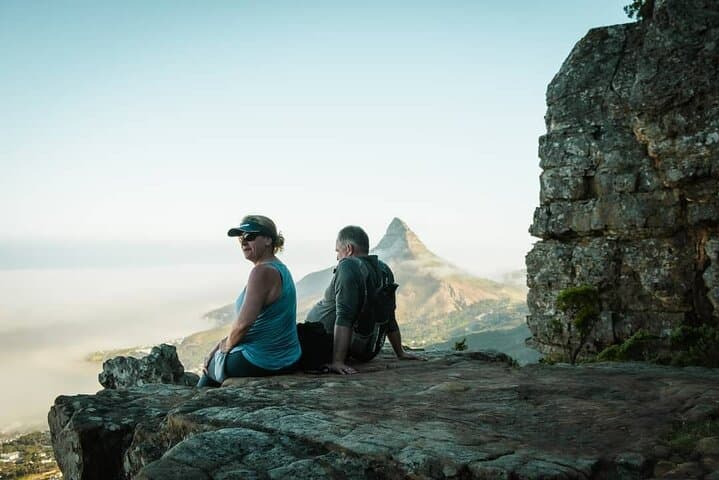
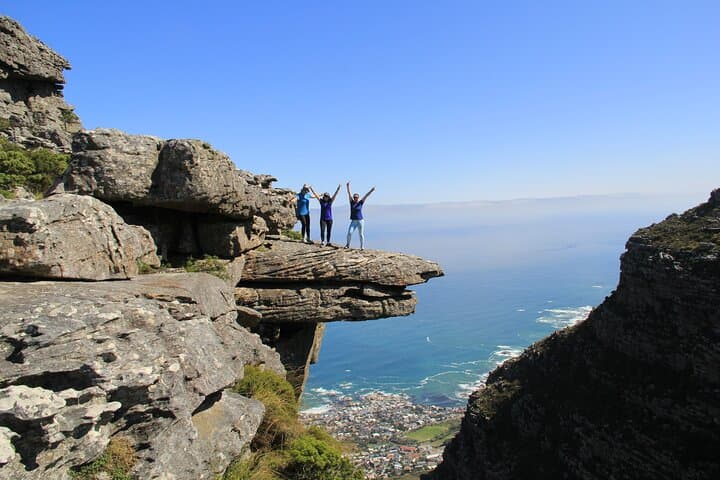
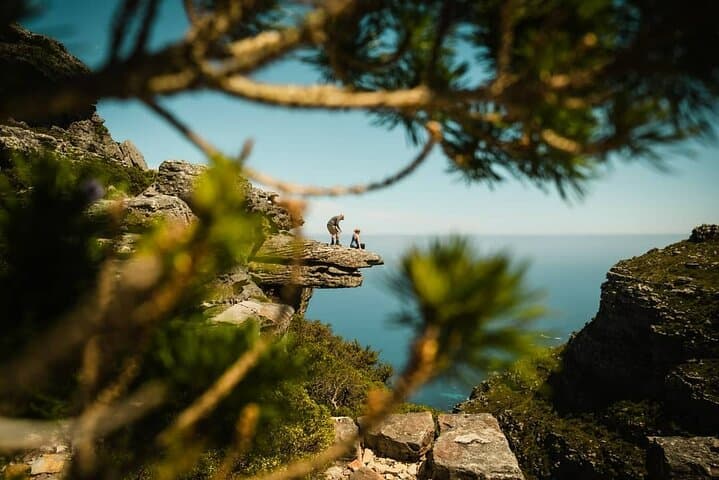
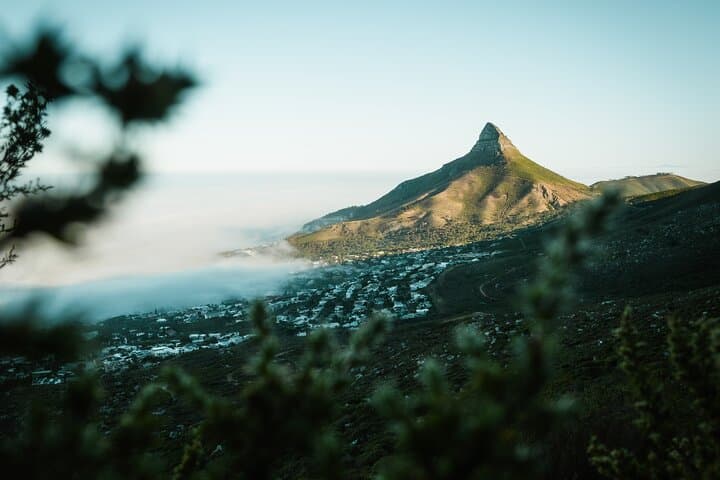
The climb is varied: steep gullies, sections of firm sandstone that require careful footing, and a few short scrambling moves where hands steady you more than ropes. Up top the plateau opens; the famous Springboard Rock and the Old Cableway platform make for classic shots — Table Bay and Lion's Head to the east, the Atlantic sweep below Camps Bay to the west. Guides often finish here for a relaxed descent option via the cableway, saving energy on the return.
Practicalities matter here as much as wonder. The trail is best in the cool hours — morning light hits the ravine walls and the wind is usually calmer. South African weather can flip; wind on the plateau will bite through a light layer. The guides provide safety gear when needed and lead small groups, so navigation is managed, but a moderate fitness level is essential for the sustained ascent.
For travelers who want an intimate mountain day — one that privileges quiet observation over speed — Kasteelspoort delivers. You’ll leave with photos, a fresh awareness of endemic fynbos, and the kind of stories a local guide trades: where the best protea bloom, the little hollows where dassies sleep, and how a city grows up around a mountain that keeps its own clock.
moderate.
5 hours.
Expect sustained uphill hiking with some scrambling; good cardiovascular fitness and stable ankles recommended
Moderate — sustained ascent with some scrambling; guides manage route-finding, but you should be comfortable on uneven terrain and climbing short rock sections.
Yes, if you have moderate fitness and can handle several hours of uphill walking; guides tailor pace and offer rests for less experienced hikers.
Often yes — groups frequently hike up via Kasteelspoort and descend by cableway to save time and legs, depending on weather and group preference.
This tour is not suitable for dogs; children may join if physically fit and with guardian consent — check with the operator about age and ability requirements.
Expect dassies (rock hyrax), Cape sugarbirds, sunbirds, and occasionally endemic reptiles basking on rocks.
The operator cancels in high winds or poor conditions for safety; you’ll be offered a refund if you cancel at least 24 hours prior or the tour is canceled due to weather.
Kasteelspoort has long been used as an access route from Camps Bay; the mountain’s sandstone formed in the Ordovician-Silurian and has shaped human movement around Cape Town for centuries.
Table Mountain National Park protects fragile fynbos ecosystems; stick to trails, avoid picking plants, and follow guide instructions to minimize erosion and disturbance.
Path & Peak Adventures operates guided outdoor trips and adventures with an emphasis on safety, stewardship, and memorable experiences.
You step off Theresa Avenue into a short strip of tar, the city noise falling away as the road turns to dust and the ravine swallows sound. Kasteelspoort narrows quickly — sheer sandstone walls pressing in, fynbos brushing your calves, Atlantic wind threading through the gorge. The guide pauses, points out a spray of protea tucked into a crack in the rock, and you feel the mountain unfold from geology into living landscape.
You step off Theresa Avenue into a short strip of tar, the city noise falling away as the road turns to dust and the ravine swallows sound. Kasteelspoort narrows quickly — sheer sandstone walls pressing in, fynbos brushing your calves, Atlantic wind threading through the gorge. The guide pauses, points out a spray of protea tucked into a crack in the rock, and you feel the mountain unfold from geology into living landscape.
This is not the busiest route up Table Mountain; it’s a slower, apprenticeship-style climb that emphasizes attention: the slow knot of a dassie sunning on a ledge, the skein of Cape sugarbirds calling above your head, the layered Table Mountain Sandstone laid down hundreds of millions of years ago. The route rises roughly 700–800 meters from sea level, covering about 6–9 kilometers depending on the detour to the plateau and the Old Cableway. Expect five hours on the trail with long pauses for photography, botany, and the kind of guided storytelling that ties the mountain to Cape Town’s human history — Khoikhoi firestick gardens, early colonial routes, and the cableway that remade access to the summit in the 20th century.
The climb is varied: steep gullies, sections of firm sandstone that require careful footing, and a few short scrambling moves where hands steady you more than ropes. Up top the plateau opens; the famous Springboard Rock and the Old Cableway platform make for classic shots — Table Bay and Lion's Head to the east, the Atlantic sweep below Camps Bay to the west. Guides often finish here for a relaxed descent option via the cableway, saving energy on the return.
Practicalities matter here as much as wonder. The trail is best in the cool hours — morning light hits the ravine walls and the wind is usually calmer. South African weather can flip; wind on the plateau will bite through a light layer. The guides provide safety gear when needed and lead small groups, so navigation is managed, but a moderate fitness level is essential for the sustained ascent.
For travelers who want an intimate mountain day — one that privileges quiet observation over speed — Kasteelspoort delivers. You’ll leave with photos, a fresh awareness of endemic fynbos, and the kind of stories a local guide trades: where the best protea bloom, the little hollows where dassies sleep, and how a city grows up around a mountain that keeps its own clock.