THE ADVENTURE COLLECTIVE® · Independent discovery and booking for outdoor travel

Ride a cable car to Kasprowy Wierch’s alpine crest, then hike down through glacial valleys into Zakopane on a private full-day tour from Kraków. Expect dramatic Tatras views, mixed mountain terrain, and local highland culture.
Ride a cable car to Kasprowy Wierch’s alpine crest, then hike down through glacial valleys into Zakopane on a private full-day tour from Kraków. Expect dramatic Tatras views, mixed mountain terrain, and local highland culture.
You step off the cable car into a wind that seems to be pushing you toward the skyline. Around you the High Tatras unfold in jagged ridges and folded limestone; valleys drop away in green and grey. From Kasprowy Wierch’s summit (about 1,987 m) the panorama reads like a topographic map come alive—steep cirques, meadowed slopes, and the clustered roofs of Zakopane far below.
Verified experiences and guided adventures in the surrounding area.
Operated by ComFort Tours Cracow · Zakopane, Lesser Poland Voivodeship
You step off the cable car into a wind that seems to be pushing you toward the skyline. Around you the High Tatras unfold in jagged ridges and folded limestone; valleys drop away in green and grey. From Kasprowy Wierch’s summit (about 1,987 m) the panorama reads like a topographic map come alive—steep cirques, meadowed slopes, and the clustered roofs of Zakopane far below.
This route sits on the northern edge of the Tatras, shaped by glacial action over millennia and long used by shepherds and early mountaineers. Zakopane’s wood-built architecture and highland Goral culture offer a distinct regional flavor; nearby cemetery plots hold names important to regional arts and mountaineering history.
The experience is straightforward: a round-trip cable car ride to the summit followed by a descending trek toward Zakopane via routes such as the Gąsienicowa Valley or Kondracka Pass. Expect mixed terrain—alpine meadows, rocky scree, and forested switchbacks—with roughly 800–1,100 m of descent and 6–10 km of walking depending on the chosen line.
Practical notes: the full-day private tour typically includes hotel pickup in Kraków (about 2–2.5 hours’ drive), guide, entrance fees, and transport. Weather can change fast at altitude—start early, layer, and plan for limited services on the mountain. Hydrate, bring sturdy footwear, and allow time in Zakopane for a relaxed end to the day: local food, short town walks, and a stroll through the historic cemetery before the return drive to Kraków.
moderate.
8 hours.
Suitable for travelers with moderate fitness able to handle sustained downhill hiking and uneven terrain.
Expect roughly 2–2.5 hours each way by road depending on traffic; the tour includes round-trip transport and hotel pickup.
Basic hiking experience and reasonable fitness are recommended since the descent includes uneven trails and up to about 1,000 m of elevation change.
The cable car operates seasonally and can close for maintenance or high winds; check local schedules in advance and the operator’s notices.
Most tours include time for lunch in Zakopane but not the cost; confirm with your operator about planned stops and dietary needs.
The Kasprowy ridge became popular with early 20th-century mountaineers; cable car infrastructure dates to the 1930s and helped open Tatras tourism.
The Tatras are protected across national parks—stay on trails, pack out waste, and follow seasonal restrictions that protect fragile alpine vegetation.
ComFort Tours Cracow operates guided outdoor trips and adventures with an emphasis on safety, stewardship, and memorable experiences.
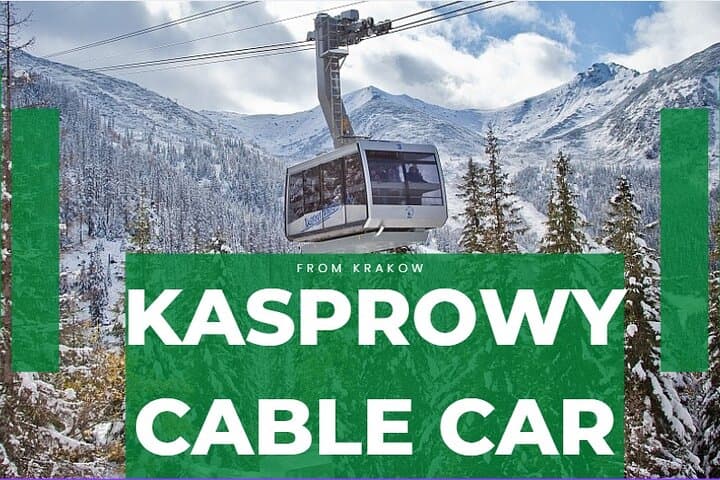


You step off the cable car into a wind that seems to be pushing you toward the skyline. Around you the High Tatras unfold in jagged ridges and folded limestone; valleys drop away in green and grey. From Kasprowy Wierch’s summit (about 1,987 m) the panorama reads like a topographic map come alive—steep cirques, meadowed slopes, and the clustered roofs of Zakopane far below.
You step off the cable car into a wind that seems to be pushing you toward the skyline. Around you the High Tatras unfold in jagged ridges and folded limestone; valleys drop away in green and grey. From Kasprowy Wierch’s summit (about 1,987 m) the panorama reads like a topographic map come alive—steep cirques, meadowed slopes, and the clustered roofs of Zakopane far below.
This route sits on the northern edge of the Tatras, shaped by glacial action over millennia and long used by shepherds and early mountaineers. Zakopane’s wood-built architecture and highland Goral culture offer a distinct regional flavor; nearby cemetery plots hold names important to regional arts and mountaineering history.
The experience is straightforward: a round-trip cable car ride to the summit followed by a descending trek toward Zakopane via routes such as the Gąsienicowa Valley or Kondracka Pass. Expect mixed terrain—alpine meadows, rocky scree, and forested switchbacks—with roughly 800–1,100 m of descent and 6–10 km of walking depending on the chosen line.
Practical notes: the full-day private tour typically includes hotel pickup in Kraków (about 2–2.5 hours’ drive), guide, entrance fees, and transport. Weather can change fast at altitude—start early, layer, and plan for limited services on the mountain. Hydrate, bring sturdy footwear, and allow time in Zakopane for a relaxed end to the day: local food, short town walks, and a stroll through the historic cemetery before the return drive to Kraków.