THE ADVENTURE COLLECTIVE® · Independent discovery and booking for outdoor travel

A six‑day luxury loop from Srinagar to Sonmarg, Pahalgam and Gulmarg that combines shikara rides, Mughal gardens, glaciers and alpine meadows. Ideal for travelers who want accessible high‑valley scenery with comfortable accommodations.
A six‑day luxury loop from Srinagar to Sonmarg, Pahalgam and Gulmarg that combines shikara rides, Mughal gardens, glaciers and alpine meadows. Ideal for travelers who want accessible high‑valley scenery with comfortable accommodations.
Morning light on Dal Lake lifts mist in slow ribbons; shikaras cut across still water and the city wakes in the soft shout of vendors and birds.
Verified experiences and guided adventures in the surrounding area.
Operated by Holiday Tours And Travels · Srinagar, Jammu and Kashmir
Morning light on Dal Lake lifts mist in slow ribbons; shikaras cut across still water and the city wakes in the soft shout of vendors and birds.
This six-day loop begins in Srinagar (≈1,585 m) and pushes up through river-cut valleys to Sonmarg (≈2,690 m), down into Pahalgam’s shepherd meadows (≈2,200 m) and over to the high pastures of Gulmarg (≈2,600–2,700 m). The route traces classic Himalayan geology—young, folded ranges, glacial moraines and fast, clear streams that have carved terraces and meadows used by local shepherds for generations.
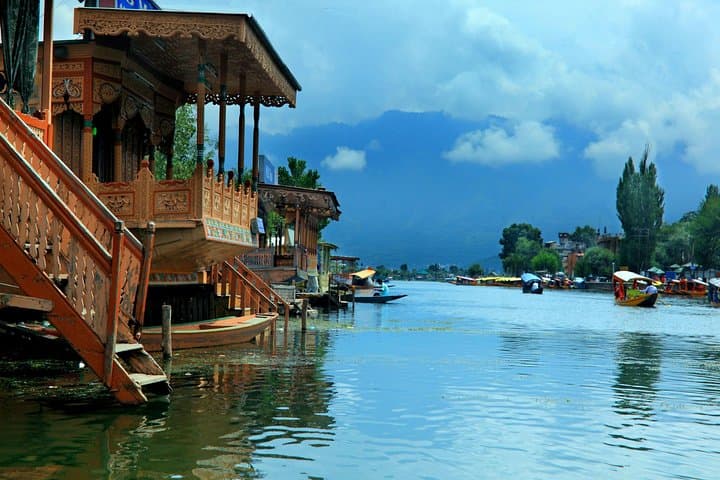
History is visible: 17th‑century Mughal gardens like Nishat and Shalimar reflect imperial garden planning, while Awantipura’s 1,100‑year‑old ruins hint at earlier Kashmir Shaivite and Buddhist layers. Local culture centers on Kashmiri handicrafts, saffron fields near Pampore and houseboat life on Dal—each a practical window into daily rhythms here.
Expect short walks, gentle elevation shifts and a few steeper local trails if you opt for Betab Valley or Gondola access in Gulmarg. Terrain varies from paved roads and houseboat decks to grassy meadows, riverbanks and rocky alpine tracks; driving legs are typically 1–3 hours between stops.
Practical guidance: acclimatize slowly, carry warm layers and a rain shell, and hydrate—the air thins above 2,500 m. Sturdy walking shoes and a daypack make short hikes comfortable. Time visits for clear mornings (for photography) and mid‑day for houseboat or market time. Respect local water sources and pack out waste—tourism pressure can strain fragile lake and meadow ecosystems.
This itinerary balances low‑impact exploration with easy comfort: it’s an accessible way to see Kashmir’s high valleys and cultural highlights while keeping logistical complexity to a minimum.
easy.
6 days.
Reasonable mobility for short walks and transfers; good for travelers who can manage stairs and brief uphill strolls.
Most stops are below 2,700 m and the itinerary is paced for gradual gain; still, drink water, avoid heavy exertion on day one and consult a doctor if you have cardio‑respiratory concerns.
This package includes 3 nights in a deluxe houseboat, 2 nights in hotels, and daily breakfasts and dinners as listed—confirm specific meal plans at booking.
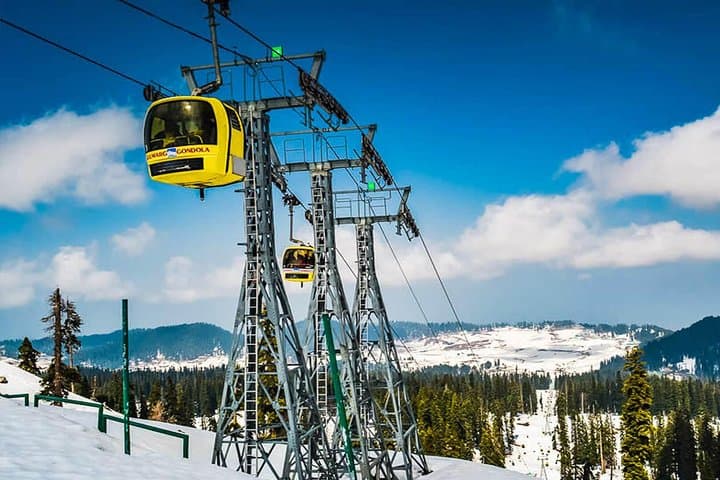
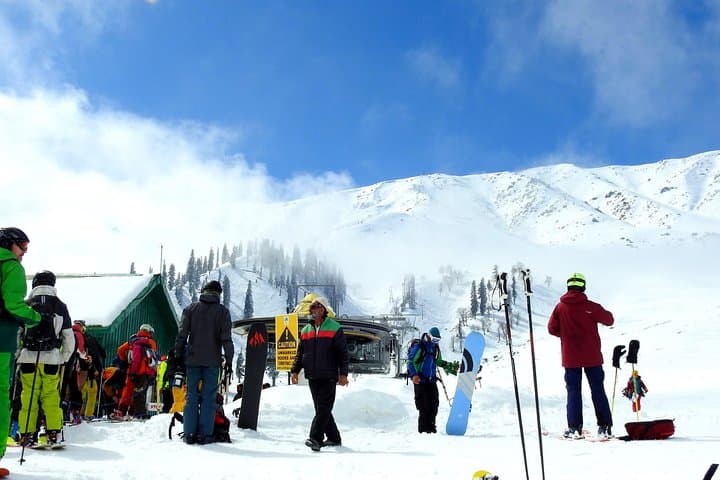
The gondola runs seasonally; lower phases operate in summer and higher phases in winter for skiing—check local status before you go.
This is offered as a private tour; providers typically accommodate custom pickup/dropoff and optional activities subject to availability.
Mughal rulers developed terraced gardens and summer resorts here in the 17th century; houseboat culture expanded in the 19th–20th centuries as tourism and local crafts grew.
Dal Lake and higher meadows face pressure from pollution and unregulated tourism; choose operators that support waste management and local stewardship.
Holiday Tours And Travels operates guided outdoor trips and adventures with an emphasis on safety, stewardship, and memorable experiences.
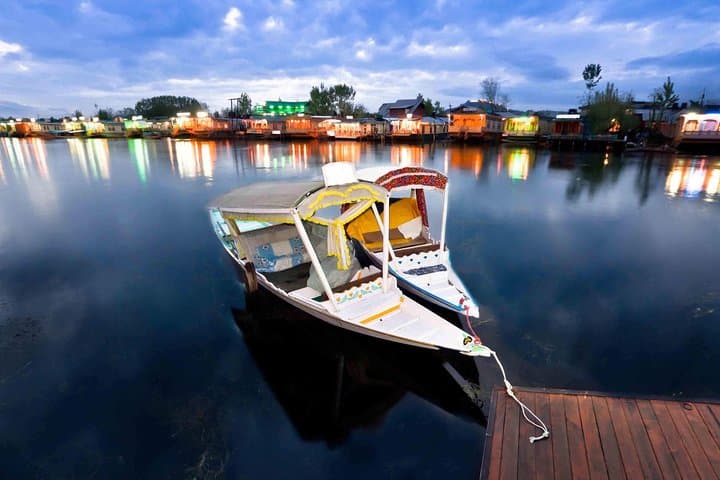
Morning light on Dal Lake lifts mist in slow ribbons; shikaras cut across still water and the city wakes in the soft shout of vendors and birds.
Morning light on Dal Lake lifts mist in slow ribbons; shikaras cut across still water and the city wakes in the soft shout of vendors and birds.
This six-day loop begins in Srinagar (≈1,585 m) and pushes up through river-cut valleys to Sonmarg (≈2,690 m), down into Pahalgam’s shepherd meadows (≈2,200 m) and over to the high pastures of Gulmarg (≈2,600–2,700 m). The route traces classic Himalayan geology—young, folded ranges, glacial moraines and fast, clear streams that have carved terraces and meadows used by local shepherds for generations.
History is visible: 17th‑century Mughal gardens like Nishat and Shalimar reflect imperial garden planning, while Awantipura’s 1,100‑year‑old ruins hint at earlier Kashmir Shaivite and Buddhist layers. Local culture centers on Kashmiri handicrafts, saffron fields near Pampore and houseboat life on Dal—each a practical window into daily rhythms here.
Expect short walks, gentle elevation shifts and a few steeper local trails if you opt for Betab Valley or Gondola access in Gulmarg. Terrain varies from paved roads and houseboat decks to grassy meadows, riverbanks and rocky alpine tracks; driving legs are typically 1–3 hours between stops.
Practical guidance: acclimatize slowly, carry warm layers and a rain shell, and hydrate—the air thins above 2,500 m. Sturdy walking shoes and a daypack make short hikes comfortable. Time visits for clear mornings (for photography) and mid‑day for houseboat or market time. Respect local water sources and pack out waste—tourism pressure can strain fragile lake and meadow ecosystems.
This itinerary balances low‑impact exploration with easy comfort: it’s an accessible way to see Kashmir’s high valleys and cultural highlights while keeping logistical complexity to a minimum.