THE ADVENTURE COLLECTIVE® · Independent discovery and booking for outdoor travel

A four-day loop from Marrakech across the High Atlas to Erg Chebbi. Expect kasbahs, Todra Gorge, the Draa palm oases and a camel-led night in the Merzouga dunes—long drives, big scenery, authentic village stops.
A four-day loop from Marrakech across the High Atlas to Erg Chebbi. Expect kasbahs, Todra Gorge, the Draa palm oases and a camel-led night in the Merzouga dunes—long drives, big scenery, authentic village stops.
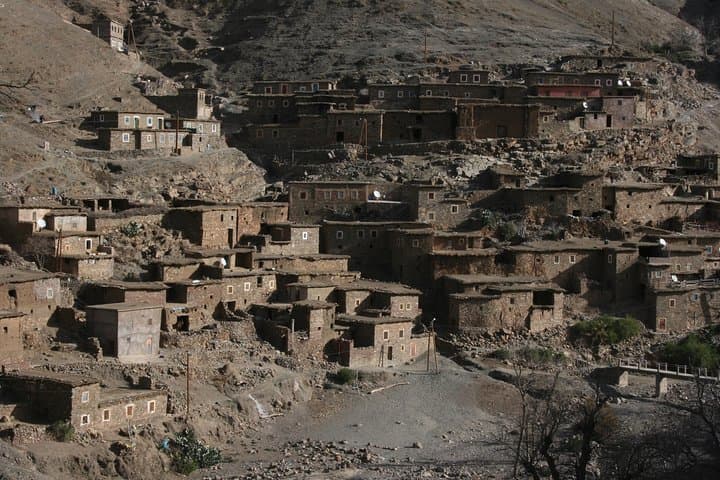
Searing light breaks over Tizi n'Tichka as the road climbs through serrated ridgelines and cedar-scented passes. You roll past ochre kasbahs clinging to hillsides, cross the Ounila Valley where trade routes still whisper, and arrive at the slow, wind-sculpted dunes of Erg Chebbi as the sun melts into sand.
Verified experiences and guided adventures in the surrounding area.
Operated by Chez Ali Marrakech · Marrakech, Marrakesh-Safi
Searing light breaks over Tizi n'Tichka as the road climbs through serrated ridgelines and cedar-scented passes. You roll past ochre kasbahs clinging to hillsides, cross the Ounila Valley where trade routes still whisper, and arrive at the slow, wind-sculpted dunes of Erg Chebbi as the sun melts into sand.
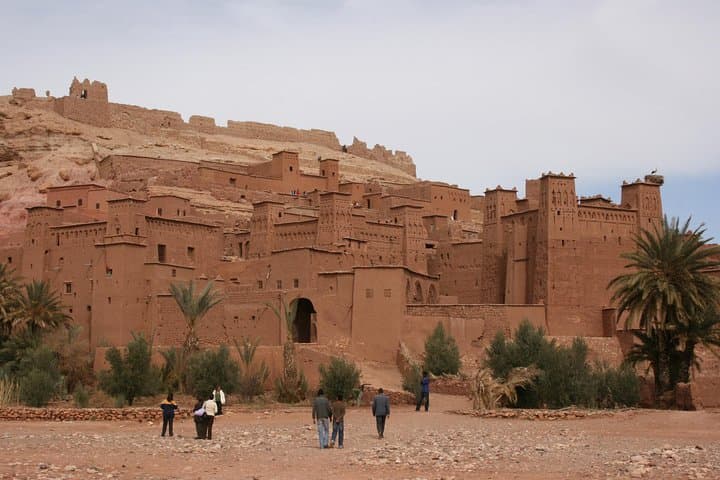
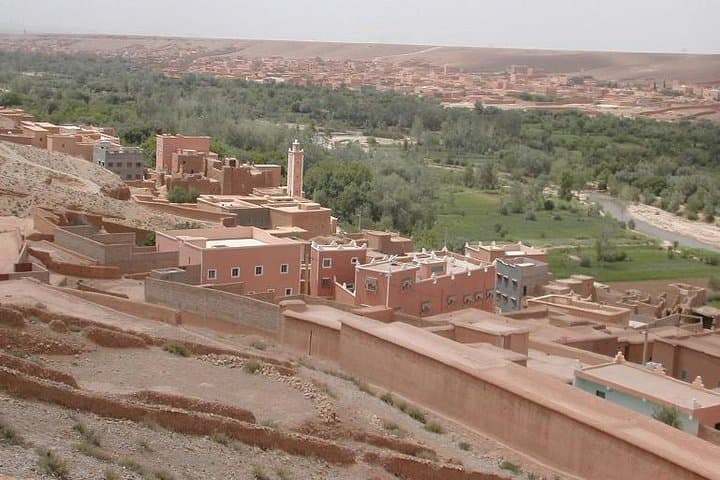
This four-day circuit threads history and geology: the High Atlas formed by tectonic uplift, the earthen kasbahs built from rammed earth and mud brick, and the palm-lined Draa Valley that once marked caravan lifelines toward the Sahara. Ait Ben Haddou—UNESCO-listed and a favorite for film crews—offers fortified lanes and rooftop views that explain why storytellers came here.
Culturally, the trip moves through Berber villages where traditional life persists—women harvest roses outside Kalaat M'Gouna and camel handlers navigate the dunes with a practical calm. Geology and climate shape every scene: the gorge walls of Todra rise in strata, and the Erg Chebbi dunes change form hour by hour, daring you to climb for sunrise.
Practical guidance: travel distances are long—expect multiple 3–6 hour driving stretches across varied roads. Moderate fitness is required for short hikes and mounting camels; camps are basic desert tents with mattresses and collective dining. Pack layered clothing for hot days and cold desert nights, sun protection, and a small daypack for walks in gorges and kasbahs. If you have back or heart issues, choose another itinerary—the camel trek and uneven surfaces can be demanding. With the right preparation, this route delivers dramatic landscapes, hands-on cultural encounters, and a night under the desert sky that lingers long after you return to Marrakech.
moderate.
4 days (approx. 10–14 hours driving total).
Moderate fitness for short hikes, dune climbs and mounting camels; able to manage uneven terrain and several hours in a vehicle.
The camel ride is short to moderate and mostly seated; however, mounting and uneven tent floors can strain the back and knees—moderate fitness is recommended.
Yes—this tour typically includes three breakfasts, three dinners and three overnights (including a desert camp), but standards vary from guesthouses to simple desert tents.
Some stops can be shortened, but the camel ride and dune camp are not recommended for those with spine or serious cardiovascular conditions—disclose health issues when booking.
Spring and fall offer the most comfortable temperatures; summer is very hot and winter brings cold nights, especially in the desert.
The route follows historic trans-Saharan trade links; many kasbahs were built by wealthy families to control trade and water sources in the Atlas foothills.
Stick to marked paths around fragile dune edges and oases; avoid taking sand or plants and respect local water use—these ecosystems are sensitive and recovering slowly.
Chez Ali Marrakech operates guided outdoor trips and adventures with an emphasis on safety, stewardship, and memorable experiences.

Searing light breaks over Tizi n'Tichka as the road climbs through serrated ridgelines and cedar-scented passes. You roll past ochre kasbahs clinging to hillsides, cross the Ounila Valley where trade routes still whisper, and arrive at the slow, wind-sculpted dunes of Erg Chebbi as the sun melts into sand.
Searing light breaks over Tizi n'Tichka as the road climbs through serrated ridgelines and cedar-scented passes. You roll past ochre kasbahs clinging to hillsides, cross the Ounila Valley where trade routes still whisper, and arrive at the slow, wind-sculpted dunes of Erg Chebbi as the sun melts into sand.
This four-day circuit threads history and geology: the High Atlas formed by tectonic uplift, the earthen kasbahs built from rammed earth and mud brick, and the palm-lined Draa Valley that once marked caravan lifelines toward the Sahara. Ait Ben Haddou—UNESCO-listed and a favorite for film crews—offers fortified lanes and rooftop views that explain why storytellers came here.
Culturally, the trip moves through Berber villages where traditional life persists—women harvest roses outside Kalaat M'Gouna and camel handlers navigate the dunes with a practical calm. Geology and climate shape every scene: the gorge walls of Todra rise in strata, and the Erg Chebbi dunes change form hour by hour, daring you to climb for sunrise.
Practical guidance: travel distances are long—expect multiple 3–6 hour driving stretches across varied roads. Moderate fitness is required for short hikes and mounting camels; camps are basic desert tents with mattresses and collective dining. Pack layered clothing for hot days and cold desert nights, sun protection, and a small daypack for walks in gorges and kasbahs. If you have back or heart issues, choose another itinerary—the camel trek and uneven surfaces can be demanding. With the right preparation, this route delivers dramatic landscapes, hands-on cultural encounters, and a night under the desert sky that lingers long after you return to Marrakech.