THE ADVENTURE COLLECTIVE® · Independent discovery and booking for outdoor travel

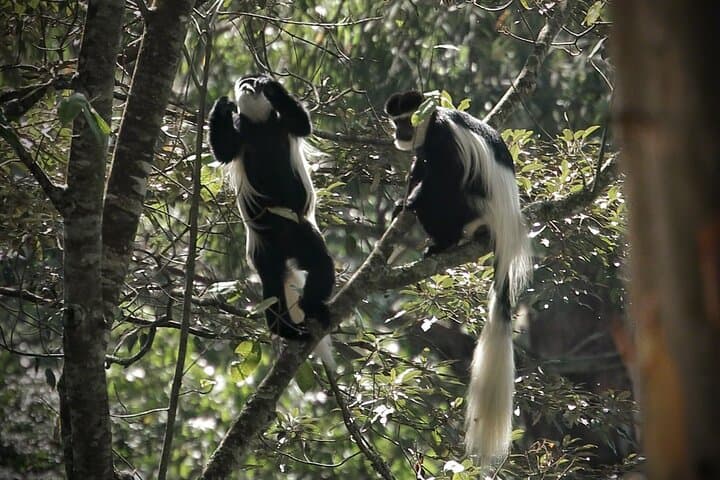
Spend a half‑day under Karura Forest’s canopy on clearly marked walking and biking routes that thread waterfalls, caves and riparian streams. This private, guided tour from Nairobi suits varied fitness levels and highlights over 350 bird species and key conservation history.
Spend a half‑day under Karura Forest’s canopy on clearly marked walking and biking routes that thread waterfalls, caves and riparian streams. This private, guided tour from Nairobi suits varied fitness levels and highlights over 350 bird species and key conservation history.
You step from a Nairobi morning into green shade: light filters through tall fig and olive trees, a chorus of calls and wingbeats guiding the first kilometers.
Verified experiences and guided adventures in the surrounding area.
Operated by VALLEY ROCKS TOURS · Nairobi, Nairobi County
You step from a Nairobi morning into green shade: light filters through tall fig and olive trees, a chorus of calls and wingbeats guiding the first kilometers.
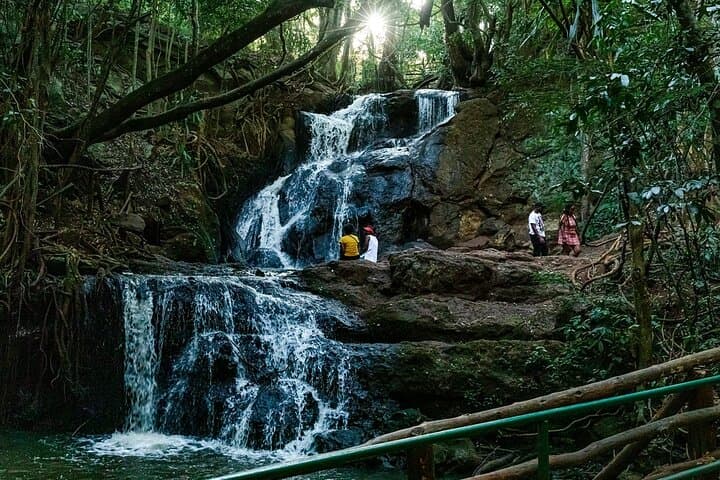
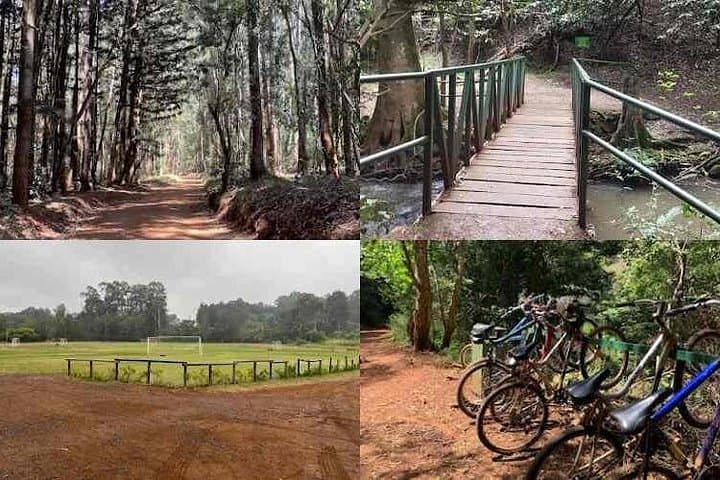
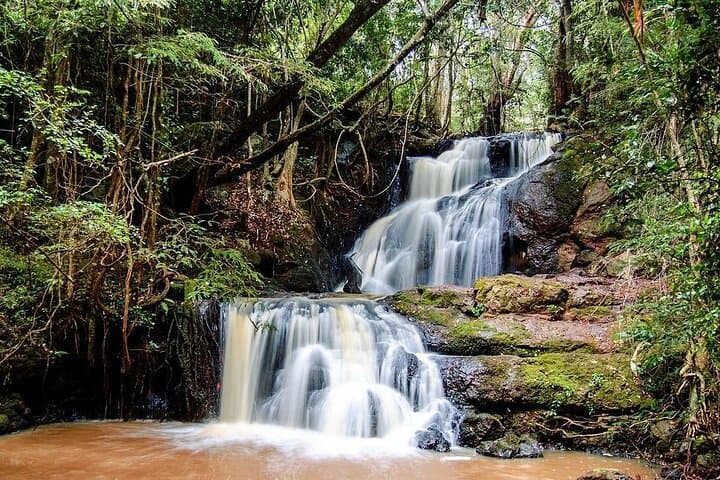
Karura Forest sits on Nairobi’s northern highlands where small streams have carved riparian gullies and formed modest waterfalls that punctuate the trails. The reserve’s paths are color‑coded—5 km, 10 km and 15 km walking routes and a 12 km mountain‑bike loop—so it’s easy to match distance to energy. Historically the forest is part of Nairobi’s effort to protect urban green space; community conservation, including campaigns led by local activists, helped secure Karura for public recreation and wildlife.
Geology is subtle here: red volcanic soils and shallow ravines funnel water into clear streams that dare you to pause and listen. Culturally, Karura is both a commuter greenway and a weekend refuge—picnic benches, marked viewpoints and a few small caves speak to its layered use.
Practical guidance: allow 4–5 hours for a guided loop with stops at the waterfalls and riparian sites. Trails are mostly packed earth with roots and occasional muddy sections after rains; expect only modest elevation changes but steady footing. Bring binoculars for the 350+ bird species, wear sturdy shoes, carry 1–2 liters of water and a light rain layer if visiting in rainy months. Start early for the best bird activity and cooler temperatures. The private tour includes pickup, a professional guide, water and a T‑shirt; it’s accessible for diverse fitness levels and offers a hands‑on way to experience Nairobi’s best natural forest.
easy.
4–5 hours.
Suitable for most fitness levels; able to walk 5–15 km with short climbs and standing at viewpoints.
Yes; the tour notes wheelchair and stroller accessibility in certain areas and routes can be shortened—confirm pickup and specific needs when booking.
Yes; there is a 12 km biking trail in Karura; confirm bike availability with the operator or bring your own if you prefer.
Yes; professional local guides will point out tree species, birdlife and historical points along the route.
Rainy months make some sections muddy and increase insect activity; dry months offer firmer trails and clearer views—start early to avoid midday heat.
Karura became a focal point of urban conservation in Nairobi; local advocacy and protection efforts, including prominent community campaigns, helped preserve it for public use.
Karura is managed as an urban reserve—stick to marked trails, pack out all trash, and avoid feeding wildlife to reduce human impact and protect sensitive riparian habitats.
VALLEY ROCKS TOURS operates guided outdoor trips and adventures with an emphasis on safety, stewardship, and memorable experiences.
You step from a Nairobi morning into green shade: light filters through tall fig and olive trees, a chorus of calls and wingbeats guiding the first kilometers.
You step from a Nairobi morning into green shade: light filters through tall fig and olive trees, a chorus of calls and wingbeats guiding the first kilometers.
Karura Forest sits on Nairobi’s northern highlands where small streams have carved riparian gullies and formed modest waterfalls that punctuate the trails. The reserve’s paths are color‑coded—5 km, 10 km and 15 km walking routes and a 12 km mountain‑bike loop—so it’s easy to match distance to energy. Historically the forest is part of Nairobi’s effort to protect urban green space; community conservation, including campaigns led by local activists, helped secure Karura for public recreation and wildlife.
Geology is subtle here: red volcanic soils and shallow ravines funnel water into clear streams that dare you to pause and listen. Culturally, Karura is both a commuter greenway and a weekend refuge—picnic benches, marked viewpoints and a few small caves speak to its layered use.
Practical guidance: allow 4–5 hours for a guided loop with stops at the waterfalls and riparian sites. Trails are mostly packed earth with roots and occasional muddy sections after rains; expect only modest elevation changes but steady footing. Bring binoculars for the 350+ bird species, wear sturdy shoes, carry 1–2 liters of water and a light rain layer if visiting in rainy months. Start early for the best bird activity and cooler temperatures. The private tour includes pickup, a professional guide, water and a T‑shirt; it’s accessible for diverse fitness levels and offers a hands‑on way to experience Nairobi’s best natural forest.