THE ADVENTURE COLLECTIVE® · Independent discovery and booking for outdoor travel

Swap Nairobi traffic for forest trails: this three‑hour Karura Forest tour pairs color‑coded walks or a 12 km bike loop with waterfalls, caves and abundant birdlife. Perfect for a morning stretch or a nature‑filled half day.
Swap Nairobi traffic for forest trails: this three‑hour Karura Forest tour pairs color‑coded walks or a 12 km bike loop with waterfalls, caves and abundant birdlife. Perfect for a morning stretch or a nature‑filled half day.
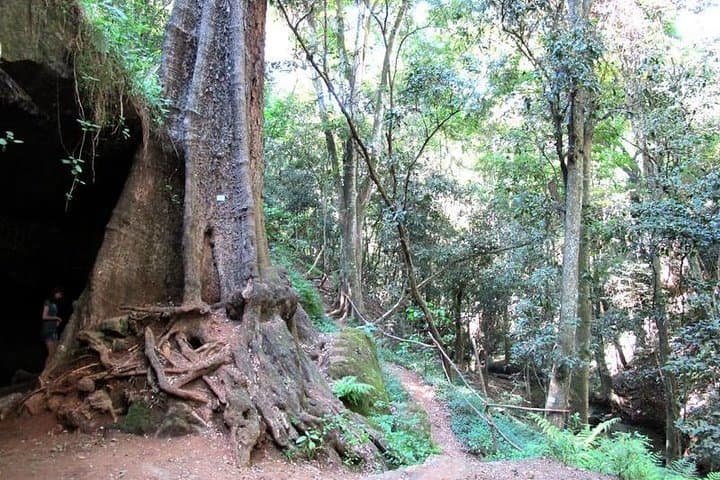
Morning light filters through towering fig and cypress as the city’s hum recedes and Karura Forest takes over—paths threaded with leaf litter, streams that dare you to follow them, and a chorus of birds punctuating each step.
Verified experiences and guided adventures in the surrounding area.
Operated by Gracepatt Ecotours Kenya · Nairobi, Nairobi County
Morning light filters through towering fig and cypress as the city’s hum recedes and Karura Forest takes over—paths threaded with leaf litter, streams that dare you to follow them, and a chorus of birds punctuating each step.
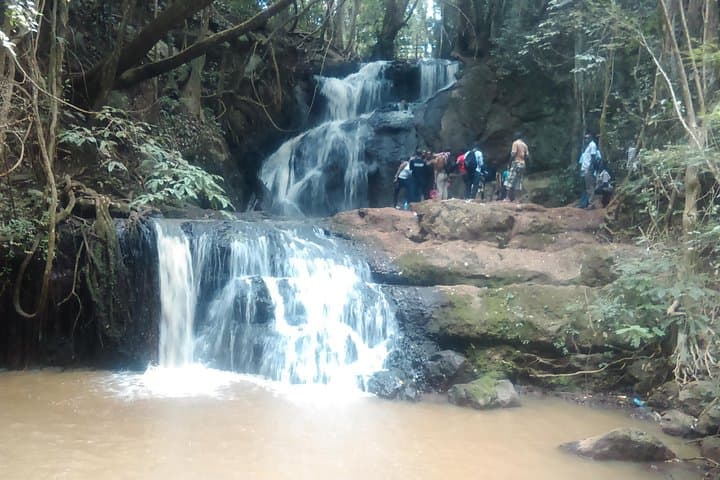
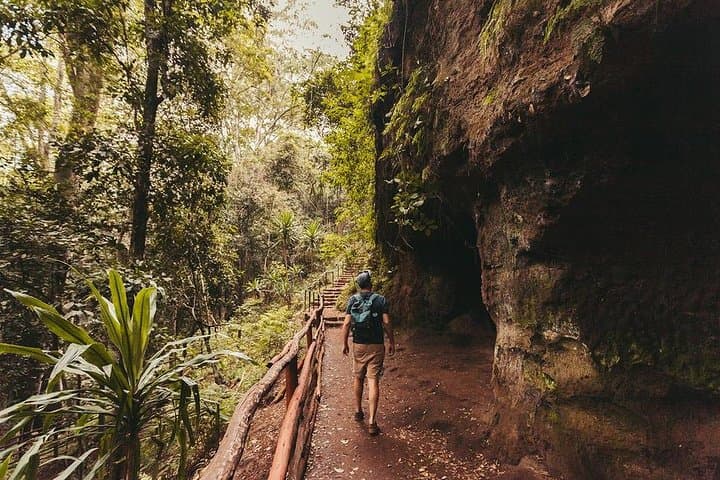
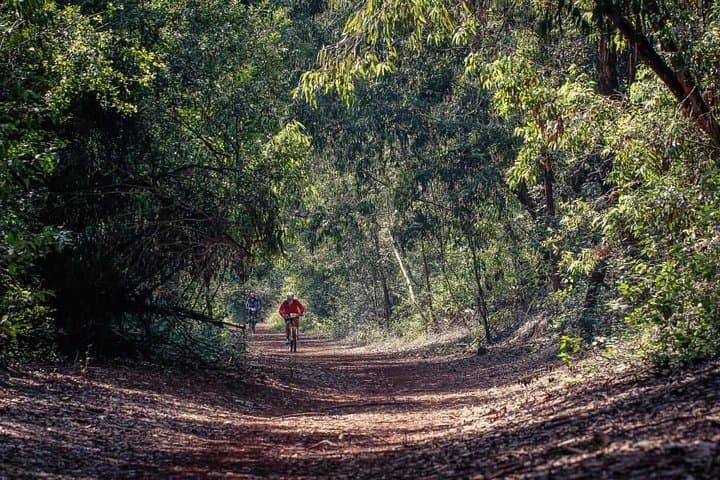
This three‑hour circuit offers choices: a brisk 5–15 km walk on color‑coded trails or a 12 km singletrack ride that threads waterfalls, caves and riparian corridors. Geologically the area sits on Nairobi’s plateau—gentle slopes and old quarry scars that fed Lily Lake—so expect mostly rolling terrain and low elevation gain, not alpine climbs. Culturally the reserve bears marks of Kenya’s past: Mau Mau fighters used caves here, and an old Central Bank incinerator chimney stands as an unusual relic on the route.
Wildlife is visible and approachable if quiet—vervet monkeys, a wealth of waterbirds and forest specialists make regular appearances. The forest is managed for recreation and conservation, so trails are clearly marked and maintained; picnic benches and toilet facilities cluster near main entrances.
Practical guidance: arrive early to beat Nairobi traffic and midday heat, carry 1–2 L of water, and bring closed‑toe shoes—boggy patches appear after rains. If you choose the bike option, basic mountain‑bike handling is enough; guides and bike hire are included with the tour. Wear sun protection and insect repellent, and plan for changing weather—short rains can arrive unexpectedly during the long and short rainy seasons. Respect signposted areas: keep to trails, pack out litter and avoid feeding wildlife to help preserve Karura’s fragile urban ecosystem.
moderate.
3 hours.
Light to moderate fitness; able to walk 5–15 km or ride 12 km on rolling forest trails.
Yes—this tour lists professional guiding, hotel pickup/drop‑off and bike hire as included; confirm bike size availability when booking.
Walking trails are color‑coded at roughly 5, 10 and 15 km; the main biking loop is about 12 km—terrain is rolling with minimal elevation gain, suitable for most fitness levels.
There are picnic benches and toilet facilities near main entrance areas; food vendors are limited, so bring snacks if you plan to picnic.
Children are allowed but must be accompanied by an adult; infants should sit on an adult’s lap according to the tour’s policy.
Karura preserves sites used by Mau‑Mau fighters and hosted an old Central Bank incinerator; the reserve reflects Nairobi’s blend of urban growth and colonial/post‑colonial histories.
Managed by county authorities and local conservation groups, the reserve depends on visitors staying on trails, carrying out waste and respecting quiet zones to protect nesting birds and riparian vegetation.
Gracepatt Ecotours Kenya operates guided outdoor trips and adventures with an emphasis on safety, stewardship, and memorable experiences.
Morning light filters through towering fig and cypress as the city’s hum recedes and Karura Forest takes over—paths threaded with leaf litter, streams that dare you to follow them, and a chorus of birds punctuating each step.
Morning light filters through towering fig and cypress as the city’s hum recedes and Karura Forest takes over—paths threaded with leaf litter, streams that dare you to follow them, and a chorus of birds punctuating each step.
This three‑hour circuit offers choices: a brisk 5–15 km walk on color‑coded trails or a 12 km singletrack ride that threads waterfalls, caves and riparian corridors. Geologically the area sits on Nairobi’s plateau—gentle slopes and old quarry scars that fed Lily Lake—so expect mostly rolling terrain and low elevation gain, not alpine climbs. Culturally the reserve bears marks of Kenya’s past: Mau Mau fighters used caves here, and an old Central Bank incinerator chimney stands as an unusual relic on the route.
Wildlife is visible and approachable if quiet—vervet monkeys, a wealth of waterbirds and forest specialists make regular appearances. The forest is managed for recreation and conservation, so trails are clearly marked and maintained; picnic benches and toilet facilities cluster near main entrances.
Practical guidance: arrive early to beat Nairobi traffic and midday heat, carry 1–2 L of water, and bring closed‑toe shoes—boggy patches appear after rains. If you choose the bike option, basic mountain‑bike handling is enough; guides and bike hire are included with the tour. Wear sun protection and insect repellent, and plan for changing weather—short rains can arrive unexpectedly during the long and short rainy seasons. Respect signposted areas: keep to trails, pack out litter and avoid feeding wildlife to help preserve Karura’s fragile urban ecosystem.