THE ADVENTURE COLLECTIVE® · Independent discovery and booking for outdoor travel

A four‑day circuit from Hanoi into Ha Giang’s Dong Van Karst Plateau: high passes, rivers that carved deep gorges, Hmong markets and remote villages. This guide explains what you’ll see and how to prepare for the roads, viewpoints and short treks.
A four‑day circuit from Hanoi into Ha Giang’s Dong Van Karst Plateau: high passes, rivers that carved deep gorges, Hmong markets and remote villages. This guide explains what you’ll see and how to prepare for the roads, viewpoints and short treks.
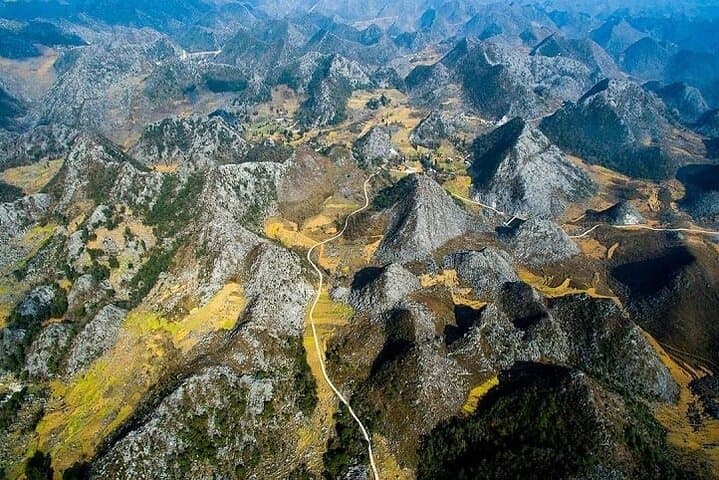
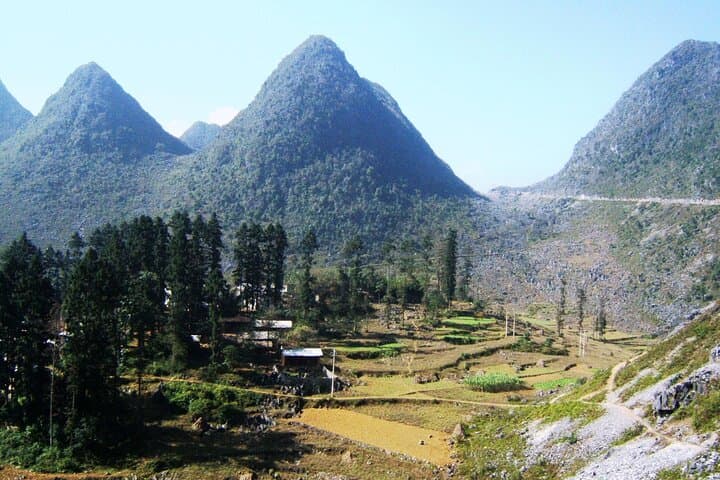
Morning mist lifts off limestone spires as the minibus threads northerly stretches out of Ha Giang city; the road climbs and the landscape changes from paddy fields to serrated karst ridges that seem to dare you to keep watching. On this four‑day loop travelers trade Hanoi’s flat bustle for narrow passes, market alleys and a canyon that drops away like a swallowed river.
Verified experiences and guided adventures in the surrounding area.
Operated by Daisy Tourist · Ha Giang, Ha Giang Province
Morning mist lifts off limestone spires as the minibus threads northerly stretches out of Ha Giang city; the road climbs and the landscape changes from paddy fields to serrated karst ridges that seem to dare you to keep watching. On this four‑day loop travelers trade Hanoi’s flat bustle for narrow passes, market alleys and a canyon that drops away like a swallowed river.
The Karst Plateau Geopark is part of a 20 million–year geological story: wind and water carved limestone into tower formations, deep gorges and jagged passes. Human history sits on that geology — Hmong and other hill communities have lived here for centuries, shaping house styles and terrace farms. Dong Van Old Quarter and Lung Cam village give a clear picture of regional culture: wooden stoves, woven textiles and markets that follow seasonal rhythms.
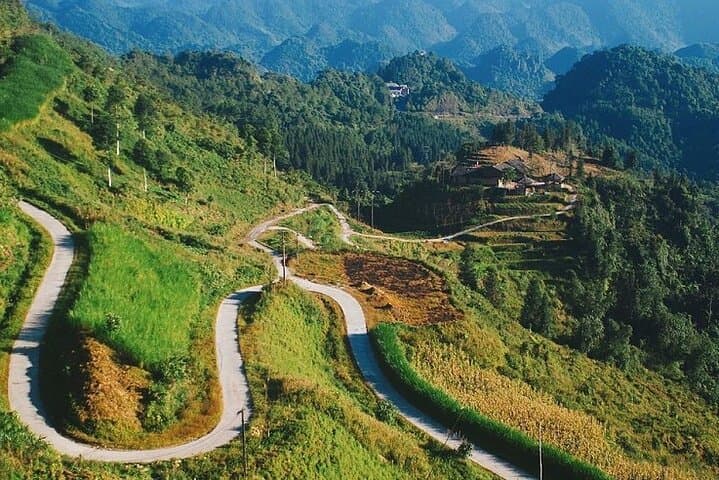
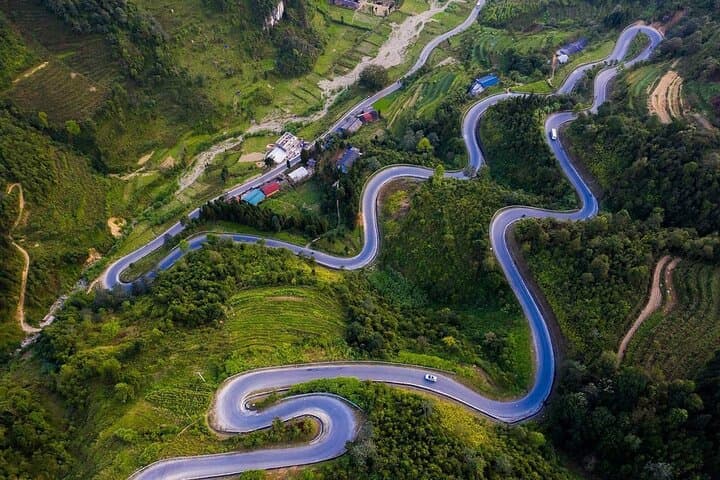
Highlights include the panoramic Quan Ba Heaven Gate, the silk‑ribbon switchbacks of Tham Ma, the hairpin drama of Ma Pi Leng pass and a boat option on the Nho Que/Tu San gorge — the river seems to push forward, cutting a canyon 700–900 meters deep.
Practical edge: expect many short walks and viewpoints, long transfers by a 7‑seat minibus, basic hotels in Dong Van and Ha Giang, and a permit requirement for borderland sites. Bring layered clothing for wide temperature swings, good footwear for uneven village trails, and cash for local markets. Travel early on the passes for clearer light and less dust; always follow local guides on narrow roads and rivers.
moderate.
4 days.
Suitable for travelers who can manage multiple short walks (30–90 minutes) and tolerate long vehicle transfers; general mobility required for uneven village paths.
Yes — the tour includes borderland access (a small fee for foreigners is usually handled by the operator and is noted in the inclusions).
Walks are short to moderate (30–90 minutes) on uneven terrain; they’re suitable for most travelers with basic mobility and no high‑altitude technical demands.
Accommodation is a mix of mid‑range hotels (Ha Giang 4* listed for city stays and simpler 2* lodging in Dong Van), with private rooms and basic amenities.
The itinerary includes a boating section on day 3; conditions can vary by season and the operator will confirm safety and availability in advance.
The plateau has long been a frontier zone where ethnic minority cultures and colonial history intersect; Lung Cu Flag Tower marks a symbolic northern border point tied to 20th‑century national narratives.
The geopark emphasizes low‑impact tourism to protect karst ecosystems; stick to trails, minimize plastic waste and respect local agricultural plots.
Daisy Tourist operates guided outdoor trips and adventures with an emphasis on safety, stewardship, and memorable experiences.
Morning mist lifts off limestone spires as the minibus threads northerly stretches out of Ha Giang city; the road climbs and the landscape changes from paddy fields to serrated karst ridges that seem to dare you to keep watching. On this four‑day loop travelers trade Hanoi’s flat bustle for narrow passes, market alleys and a canyon that drops away like a swallowed river.
Morning mist lifts off limestone spires as the minibus threads northerly stretches out of Ha Giang city; the road climbs and the landscape changes from paddy fields to serrated karst ridges that seem to dare you to keep watching. On this four‑day loop travelers trade Hanoi’s flat bustle for narrow passes, market alleys and a canyon that drops away like a swallowed river.
The Karst Plateau Geopark is part of a 20 million–year geological story: wind and water carved limestone into tower formations, deep gorges and jagged passes. Human history sits on that geology — Hmong and other hill communities have lived here for centuries, shaping house styles and terrace farms. Dong Van Old Quarter and Lung Cam village give a clear picture of regional culture: wooden stoves, woven textiles and markets that follow seasonal rhythms.
Highlights include the panoramic Quan Ba Heaven Gate, the silk‑ribbon switchbacks of Tham Ma, the hairpin drama of Ma Pi Leng pass and a boat option on the Nho Que/Tu San gorge — the river seems to push forward, cutting a canyon 700–900 meters deep.
Practical edge: expect many short walks and viewpoints, long transfers by a 7‑seat minibus, basic hotels in Dong Van and Ha Giang, and a permit requirement for borderland sites. Bring layered clothing for wide temperature swings, good footwear for uneven village trails, and cash for local markets. Travel early on the passes for clearer light and less dust; always follow local guides on narrow roads and rivers.