THE ADVENTURE COLLECTIVE® · Independent discovery and booking for outdoor travel

Escape Mumbai’s traffic for a morning among the Western Ghats: birdwatch along shaded trails, climb to Karnala Fort for ridge views, and look for endemic species like the Malabar Whistling Thrush. This guided excursion pairs easy trekking with focused wildlife spotting.
Escape Mumbai’s traffic for a morning among the Western Ghats: birdwatch along shaded trails, climb to Karnala Fort for ridge views, and look for endemic species like the Malabar Whistling Thrush. This guided excursion pairs easy trekking with focused wildlife spotting.
You step off the road into a green hush: the trail narrows, light sifts through teak and bamboo, and calls—sharp, musical, occasional—pull you uphill toward the silhouette of Karnala Fort.
Verified experiences and guided adventures in the surrounding area.
Operated by SITA World Tours · Panvel, Maharashtra
You step off the road into a green hush: the trail narrows, light sifts through teak and bamboo, and calls—sharp, musical, occasional—pull you uphill toward the silhouette of Karnala Fort.
The sanctuary sits at the edge of the Western Ghats, a compact pocket of evergreen and deciduous forest that funnels migratory pathways and shelters endemic species. The fort itself has centuries of layered history—used by regional rulers and later observed by colonial forces—its stonework a human punctuation on the ridge.
Geology here is straightforward: lateritic soils and rocky outcrops shaped by monsoon erosion create short steep sections and exposed slabs. Culturally, the area serves local weekend trekkers and small hamlets outside the park gate; morning rituals and roadside tea stalls add a lived-in rhythm to the landscape.
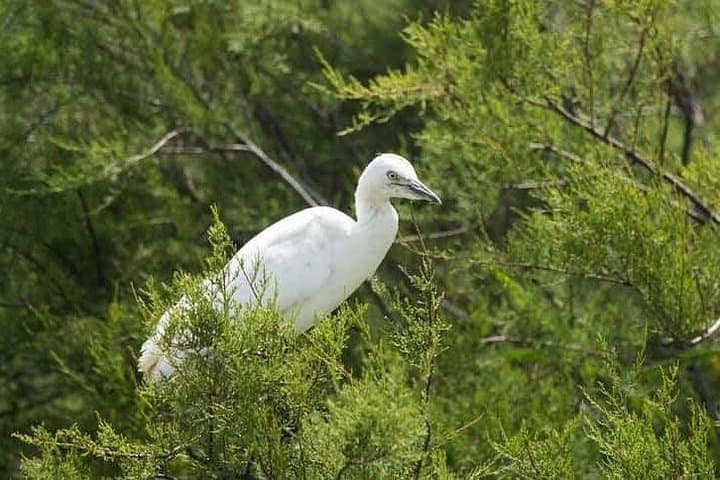
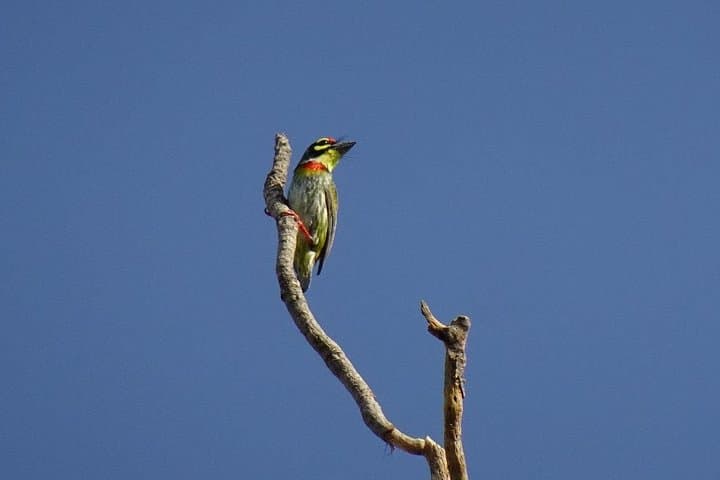
On a guided morning excursion you’ll watch for Malabar Whistling Thrush and Malabar Parakeet, scan for langurs on the lower slopes and keep an eye out for four-horned antelope in grassy clearings. Butterflies flicker through sunlit gaps; the forest answers your presence with a chorus.
Practical guidance: tours run best at dawn—cool light and active birds—so expect early pickup from Mumbai and a 45–75 minute drive depending on traffic. Trails are short but uneven; wear sturdy shoes, bring water and a guide with local knowledge. Keep noise low, stay on marked paths, and carry out any trash. A morning here pairs easy hiking with focused wildlife watching—accessible, invigorating, and rooted in regional natural history.
moderate.
5 hours.
Moderate fitness recommended—short hikes with uneven terrain and some steep sections; able to walk 2–4 km at a steady pace.
Winter months (November–January) are best for migrants and guided tours; mornings are most productive for sightings.
Yes—this excursion typically includes hotel pickup and drop-off in Mumbai via air-conditioned private transport.
The hike is short but uneven and slightly steep in places; a moderate fitness level and good footwear are recommended.
Children can join but must be accompanied by an adult; the tour operator specifies infants sit on laps and recommends minimum mobility standards.
Karnala Fort crowns the sanctuary ridge and has served regional rulers and colonial observers over centuries, adding human history to the park’s natural story.
The sanctuary is small and sensitive—stick to trails, avoid feeding or disturbing wildlife, and pack out waste to reduce visitor impact.
SITA World Tours operates guided outdoor trips and adventures with an emphasis on safety, stewardship, and memorable experiences.


You step off the road into a green hush: the trail narrows, light sifts through teak and bamboo, and calls—sharp, musical, occasional—pull you uphill toward the silhouette of Karnala Fort.
You step off the road into a green hush: the trail narrows, light sifts through teak and bamboo, and calls—sharp, musical, occasional—pull you uphill toward the silhouette of Karnala Fort.
The sanctuary sits at the edge of the Western Ghats, a compact pocket of evergreen and deciduous forest that funnels migratory pathways and shelters endemic species. The fort itself has centuries of layered history—used by regional rulers and later observed by colonial forces—its stonework a human punctuation on the ridge.
Geology here is straightforward: lateritic soils and rocky outcrops shaped by monsoon erosion create short steep sections and exposed slabs. Culturally, the area serves local weekend trekkers and small hamlets outside the park gate; morning rituals and roadside tea stalls add a lived-in rhythm to the landscape.
On a guided morning excursion you’ll watch for Malabar Whistling Thrush and Malabar Parakeet, scan for langurs on the lower slopes and keep an eye out for four-horned antelope in grassy clearings. Butterflies flicker through sunlit gaps; the forest answers your presence with a chorus.
Practical guidance: tours run best at dawn—cool light and active birds—so expect early pickup from Mumbai and a 45–75 minute drive depending on traffic. Trails are short but uneven; wear sturdy shoes, bring water and a guide with local knowledge. Keep noise low, stay on marked paths, and carry out any trash. A morning here pairs easy hiking with focused wildlife watching—accessible, invigorating, and rooted in regional natural history.