THE ADVENTURE COLLECTIVE® · Independent discovery and booking for outdoor travel

Escape Mumbai for a morning of focused birding and a short fort trek at Karnala Bird Sanctuary. Expect crisp early-morning observation, 1.5–2 km of walking to the fort, and a local brunch to finish the trip.
Escape Mumbai for a morning of focused birding and a short fort trek at Karnala Bird Sanctuary. Expect crisp early-morning observation, 1.5–2 km of walking to the fort, and a local brunch to finish the trip.
Morning light cuts through a thin mist over the Western Ghats foothills as city noise fades behind you and the sanctuary’s canopy takes over. The path climbs under a mosaic of teak and bamboo, while bulbous hornets hum and the air sharpens with the call of Malabar Whistling Thrushes. Around a half-hour’s steady walk, the trail opens to the stonework of Karnala Fort and a broad view back toward the coastal plain — a compact, rewarding scramble that makes the day feel earned.
Verified experiences and guided adventures in the surrounding area.
Operated by SITA World Tours · Panvel, Maharashtra
Morning light cuts through a thin mist over the Western Ghats foothills as city noise fades behind you and the sanctuary’s canopy takes over. The path climbs under a mosaic of teak and bamboo, while bulbous hornets hum and the air sharpens with the call of Malabar Whistling Thrushes. Around a half-hour’s steady walk, the trail opens to the stonework of Karnala Fort and a broad view back toward the coastal plain — a compact, rewarding scramble that makes the day feel earned.
Karnala sits within Raigad District, a protected pocket declared in the late 1960s to conserve resident and migrant birds. Geologically the sanctuary is a granite outcrop rising above lateritic plains; culturally it served as a hilltop watchpoint for regional rulers and later trekkers made the fort their morning objective. Local dhabas and roadside stalls serve robust Marathi breakfasts—ideal after a brisk birding session.
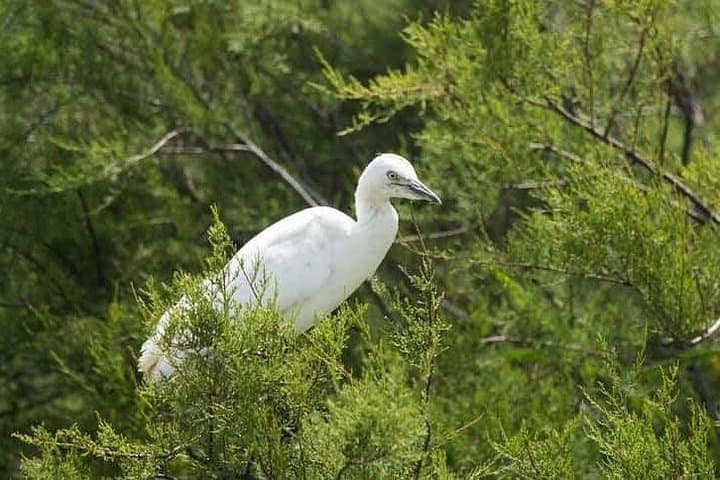
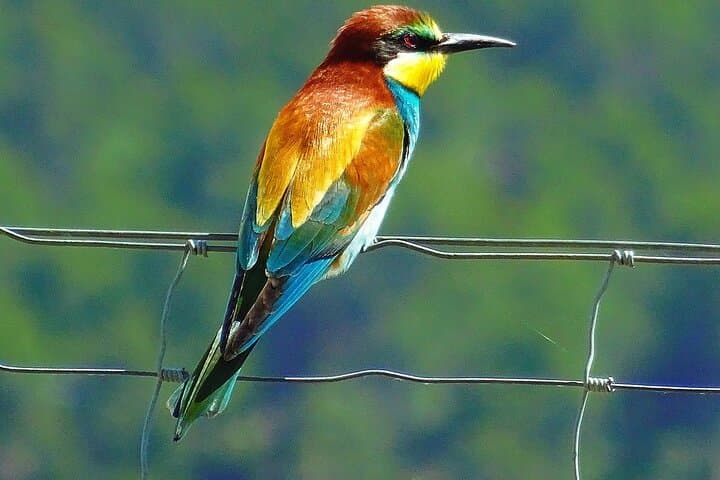
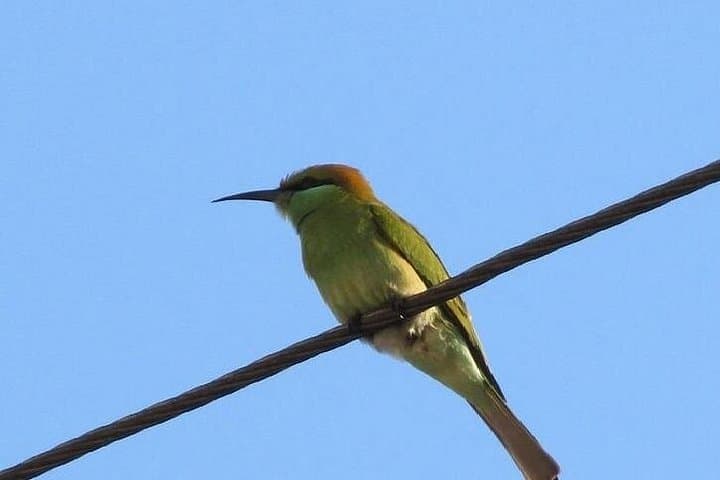
Practically: expect 4–6 hours door-to-door from Mumbai with private transport, a guided 1.5–2 km trail to the fort (roughly 200–250 m elevation gain), and concentrated birding during the 05:45–11:30 window. Species lists here exceed 200 birds—look for Malabar Parakeets, Ashy Minivets, raptors and seasonal migrants—plus langurs and the shy four‑horned antelope. Trails are rocky and can be slippery after rain; carry binoculars, 1–2 liters of water, sun protection and light snacks. The operator-run morning trips usually end with a local brunch before returning to the city. For quieter views, aim for weekdays in the November–January window when migration peaks and foliage is drier.
moderate.
5–6 hours.
Suitable for people with moderate fitness able to walk up to 2 km with short steep sections and uneven terrain.
The trail to the fort is about 1.5–2 km one way with an elevation gain around 200–250 m; allow 45–60 minutes uphill at a moderate pace.
Early morning (around 05:45–11:30) during November–January yields the most migrants and clear conditions for sightings.
Children are allowed but must be accompanied by an adult; infants are typically required to sit on a lap during the vehicle transfer.
Common non-avian sightings include Hanuman langurs, rhesus macaques, wild boar and, occasionally, the shy four‑horned antelope.
Karnala Fort occupies a granite outcrop used historically as a regional watchpoint; the surrounding reserve was protected in the late 1960s to conserve its bird populations.
Visitor numbers are managed seasonally to reduce disturbance to nesting birds; stay on marked paths and avoid feeding wildlife to minimize impact.
SITA World Tours operates guided outdoor trips and adventures with an emphasis on safety, stewardship, and memorable experiences.

Morning light cuts through a thin mist over the Western Ghats foothills as city noise fades behind you and the sanctuary’s canopy takes over. The path climbs under a mosaic of teak and bamboo, while bulbous hornets hum and the air sharpens with the call of Malabar Whistling Thrushes. Around a half-hour’s steady walk, the trail opens to the stonework of Karnala Fort and a broad view back toward the coastal plain — a compact, rewarding scramble that makes the day feel earned.
Morning light cuts through a thin mist over the Western Ghats foothills as city noise fades behind you and the sanctuary’s canopy takes over. The path climbs under a mosaic of teak and bamboo, while bulbous hornets hum and the air sharpens with the call of Malabar Whistling Thrushes. Around a half-hour’s steady walk, the trail opens to the stonework of Karnala Fort and a broad view back toward the coastal plain — a compact, rewarding scramble that makes the day feel earned.
Karnala sits within Raigad District, a protected pocket declared in the late 1960s to conserve resident and migrant birds. Geologically the sanctuary is a granite outcrop rising above lateritic plains; culturally it served as a hilltop watchpoint for regional rulers and later trekkers made the fort their morning objective. Local dhabas and roadside stalls serve robust Marathi breakfasts—ideal after a brisk birding session.
Practically: expect 4–6 hours door-to-door from Mumbai with private transport, a guided 1.5–2 km trail to the fort (roughly 200–250 m elevation gain), and concentrated birding during the 05:45–11:30 window. Species lists here exceed 200 birds—look for Malabar Parakeets, Ashy Minivets, raptors and seasonal migrants—plus langurs and the shy four‑horned antelope. Trails are rocky and can be slippery after rain; carry binoculars, 1–2 liters of water, sun protection and light snacks. The operator-run morning trips usually end with a local brunch before returning to the city. For quieter views, aim for weekdays in the November–January window when migration peaks and foliage is drier.