THE ADVENTURE COLLECTIVE® · Independent discovery and booking for outdoor travel

Walk the illuminated corridors of Karnak as narration and light animate pharaohs, priests and monumental stone. This 75‑minute production turns the temple into a classroom of lights — arrive early, dress in layers, and respect the ancient fabric.
Walk the illuminated corridors of Karnak as narration and light animate pharaohs, priests and monumental stone. This 75‑minute production turns the temple into a classroom of lights — arrive early, dress in layers, and respect the ancient fabric.
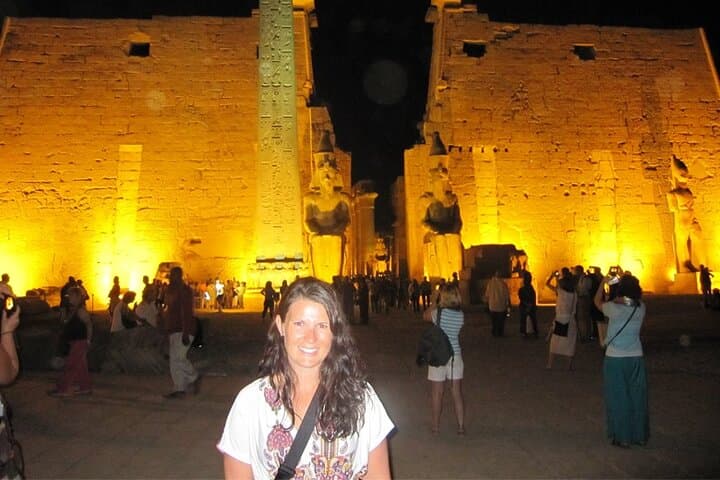
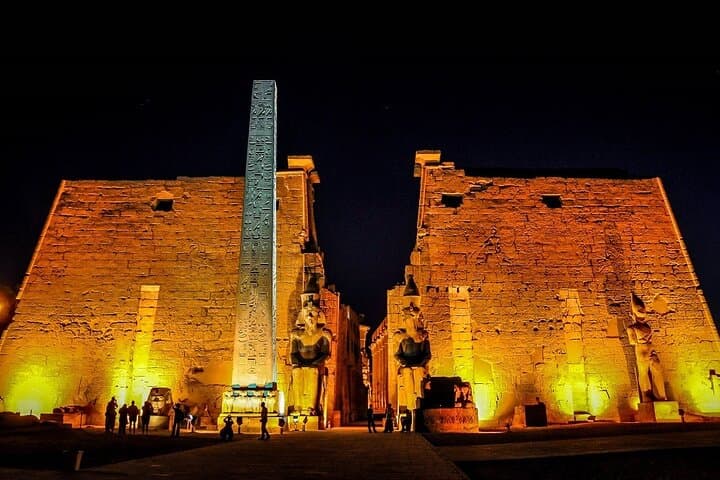
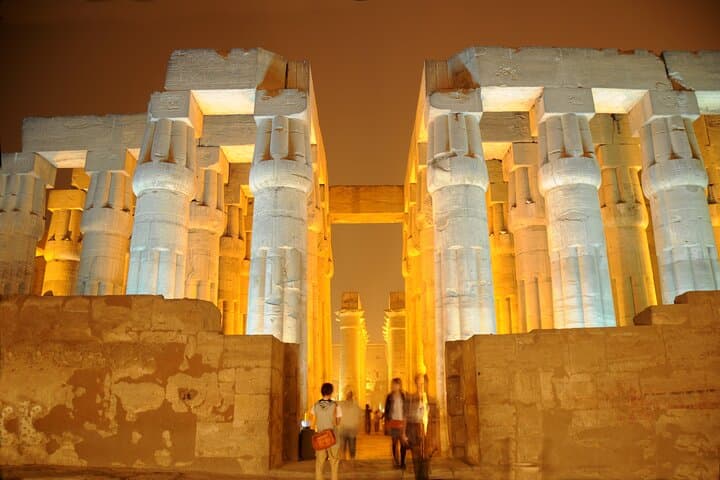
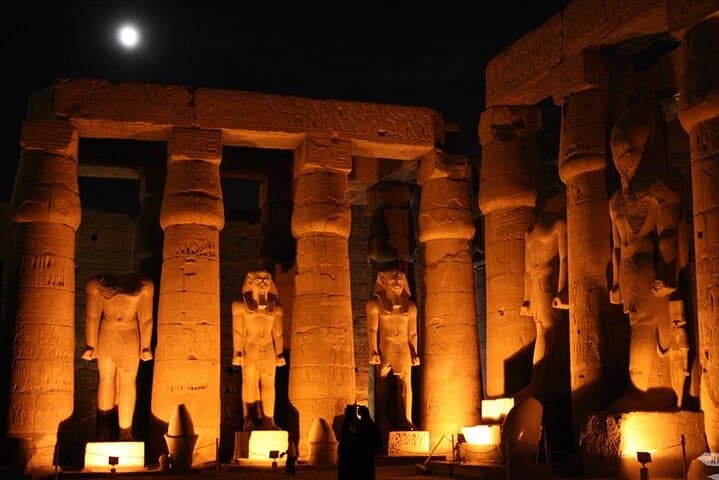
The first chords roll across open stone and columns; floodlights peel back millennia of shadow and the Karnak complex, vast and severe, becomes a stage. You walk among towering pylons and granite obelisks under a high desert sky while narration traces pharaohs, priests and the temple’s slow growth from the Middle Kingdom through the Greco‑Roman era.
Verified experiences and guided adventures in the surrounding area.
Operated by Egypt Tours Online · Luxor, Luxor Governorate
The first chords roll across open stone and columns; floodlights peel back millennia of shadow and the Karnak complex, vast and severe, becomes a stage. You walk among towering pylons and granite obelisks under a high desert sky while narration traces pharaohs, priests and the temple’s slow growth from the Middle Kingdom through the Greco‑Roman era.
Karnak grew over centuries as a religious campus dedicated to Amun, Mut and Khonsu. The sound and light production uses dramatic projection and spoken narrative to trace that architectural layering — from sun‑baked sandstone quarries to the avenue of ram-headed sphinxes — giving context to inscriptions and ruined sanctuaries that otherwise read only as stone.
Culturally, the show bridges antiquity and modern tourism: it’s performed in multiple languages and staged to suit a broad audience. Geologically, the temple sits on alluvial silt from the Nile; its blocks and reliefs are susceptible to salt and humidity changes, so keep off fragile areas. Locals often attend with family; vendors cluster near the entrance before and after the performance.
Practical guidance: book a transfer or arrive 30–45 minutes early to clear security and pick good seats near the Great Hypostyle Hall or the sacred lake for the finale. Dress in layers—desert evenings cool quickly—and bring a torch for uneven ground when leaving. Photography without flash is usually allowed; follow staff directions and avoid touching carved surfaces. The show lasts about 75 minutes; carpools and hotel pickup are common, and the experience pairs well with a daytime visit to Luxor Temple or the Luxor Museum.
easy.
2–3 hours.
Suitable for all fitness levels; requires short walks on uneven ground and standing or seated periods.
The performance runs about 75 minutes; total booking time including transfers is typically 2–3 hours.
Options vary; many bookings include hotel pickup and drop‑off—confirm when you book and allow time for pick up.
Photography without flash is generally permitted, but follow on‑site rules and avoid using flash on ancient reliefs.
Access is limited by uneven ground and steps; inquire about pickup locations and assistance when booking.
Karnak was built and expanded from the Middle Kingdom through the Greco‑Roman period as a religious complex centered on Amun‑Ra, with massive additions by New Kingdom pharaohs such as Ramses II and Seti I.
The site is sensitive to humidity, salt and foot traffic; follow guidance from staff, stay on paths and avoid touching carved surfaces to help preserve the monuments.
Egypt Tours Online operates guided outdoor trips and adventures with an emphasis on safety, stewardship, and memorable experiences.
The first chords roll across open stone and columns; floodlights peel back millennia of shadow and the Karnak complex, vast and severe, becomes a stage. You walk among towering pylons and granite obelisks under a high desert sky while narration traces pharaohs, priests and the temple’s slow growth from the Middle Kingdom through the Greco‑Roman era.
The first chords roll across open stone and columns; floodlights peel back millennia of shadow and the Karnak complex, vast and severe, becomes a stage. You walk among towering pylons and granite obelisks under a high desert sky while narration traces pharaohs, priests and the temple’s slow growth from the Middle Kingdom through the Greco‑Roman era.
Karnak grew over centuries as a religious campus dedicated to Amun, Mut and Khonsu. The sound and light production uses dramatic projection and spoken narrative to trace that architectural layering — from sun‑baked sandstone quarries to the avenue of ram-headed sphinxes — giving context to inscriptions and ruined sanctuaries that otherwise read only as stone.
Culturally, the show bridges antiquity and modern tourism: it’s performed in multiple languages and staged to suit a broad audience. Geologically, the temple sits on alluvial silt from the Nile; its blocks and reliefs are susceptible to salt and humidity changes, so keep off fragile areas. Locals often attend with family; vendors cluster near the entrance before and after the performance.
Practical guidance: book a transfer or arrive 30–45 minutes early to clear security and pick good seats near the Great Hypostyle Hall or the sacred lake for the finale. Dress in layers—desert evenings cool quickly—and bring a torch for uneven ground when leaving. Photography without flash is usually allowed; follow staff directions and avoid touching carved surfaces. The show lasts about 75 minutes; carpools and hotel pickup are common, and the experience pairs well with a daytime visit to Luxor Temple or the Luxor Museum.